Quick answer: These two devices solve different problems. The NuFACE Trinity+ is a dedicated microcurrent toner, FDA cleared, built for lifting and contouring in five-minute sessions with a conductive gel. The Medicube Booster Pro is a multi-tool: one of its modes is microcurrent, but most of its appeal is helping serums absorb and refining the look of pores and texture, with no gel required. Pick NuFACE if lift and contour are the goal. Pick Medicube if glow and texture matter more and you want one gadget that does a bit of everything.
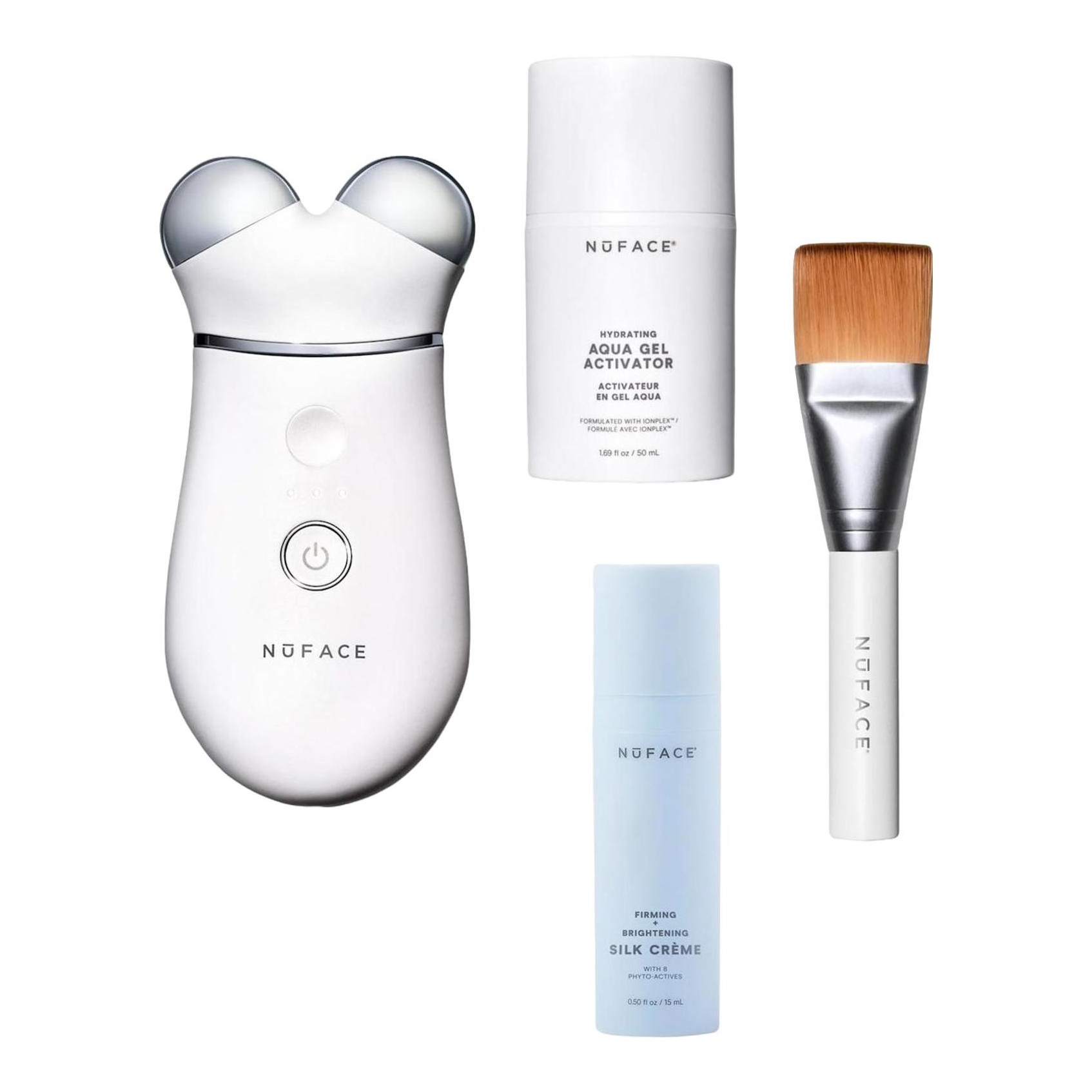
The Trinity+ does one job: microcurrent. Two rounded spheres glide over the face and neck while a low-level current runs through a layer of conductive gel. NuFACE positions it for lifting brows, defining cheekbones and the jaw, and softening the look of lines over time.
Settings: three output modes, plus a Boost button for extra power on stubborn areas.
Routine: five-minute sessions, five days a week for the first two months, then two or three times a week to maintain.
Gel: required. The starter kit includes activator to get started, and you will keep buying it.
Add-ons: attachments for eyes, lips and red light are sold separately and click onto the same handset.
What the Medicube Booster Pro does
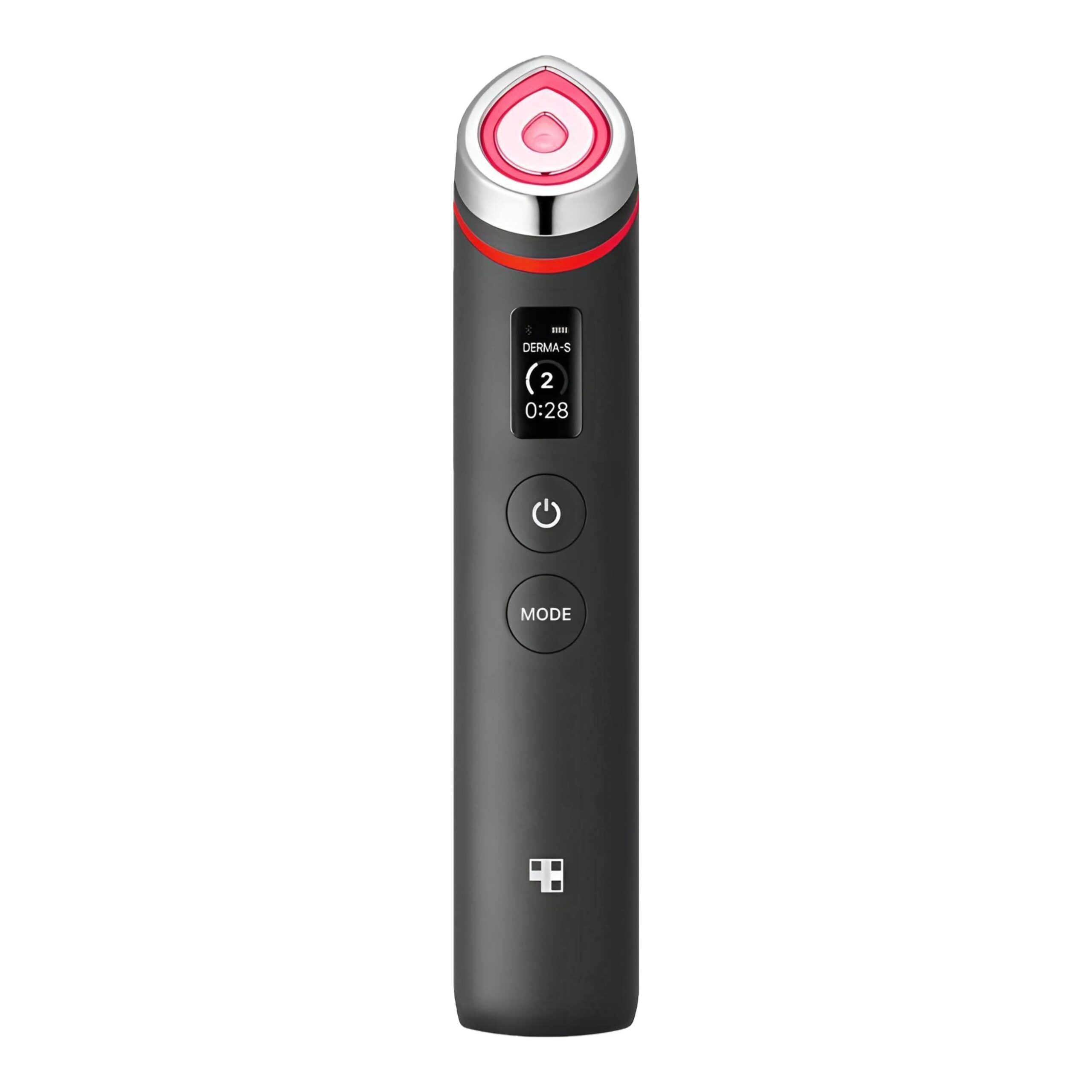
The Booster Pro is a K-beauty multi-tool with four main modes, plus LED and vibration running alongside them:
Booster: electroporation to help serums and ampoules absorb. Use it over your skincare.
Air Shot: pulses aimed at the look of pores and texture. Use it on clean, dry skin a few times a week.
MC (microcurrent): for a lifted, plumper look around the eyes, mouth and smile lines.
Derma Shot (EMS): muscle stimulation along the cheekbones and jaw for a firmer look.
No special gel is needed, since it works with the skincare you already own. Medicube suggests starting on the lowest level, keeping thin-skinned areas on level one, and easing in if your routine includes retinol or strong vitamin C, which can make the sensation more intense.
Medicube Booster Pro. Product photo: Medicube.
Lift and contour: NuFACE wins
If your main goal is a more lifted, sculpted look, NuFACE is the specialist. Microcurrent is its whole design, the gel keeps the current moving evenly, and the routine is short enough to stick with. Medicube has a microcurrent mode too, but it is one tool among several rather than the point of the device.
Glow and texture: Medicube wins
If you care more about how your serums perform and how smooth your skin looks, the Booster Pro covers more ground. The Booster and Air Shot modes target absorption and pores, which NuFACE does not address at all. It also skips the ongoing gel cost.
Ease of use
NuFACE: simple. One mode at a time, a five-minute routine, guided by the app. The extra step is applying gel.
Medicube: more to learn. Each mode has its own order, direction and timing, and a full routine across all modes takes longer. The app helps.
Safety notes
Both devices send a gentle current through the skin, so read each brand’s instructions before you start. Medicube says its device is not suitable for people with a pacemaker, metal implants or active skin conditions, and not recommended during pregnancy or breastfeeding. Those same situations are worth raising with your doctor before using any microcurrent device, NuFACE included. Stop if you feel pain or see unusual redness.
Which one to buy
Buy the NuFACE Trinity+ if lifting and contouring are the goal and you want a proven, FDA-cleared microcurrent device with a quick routine.
Buy the Medicube Booster Pro if you want glow, smoother texture and better serum absorption from one gadget, with no gel to restock.
Comparing microcurrent devices only? See how the NuFACE stacks up against the FOREO Bear line before you decide.
Is the Medicube Booster Pro a microcurrent device? Partly. It has a microcurrent mode, but it also does electroporation, pore pulses, EMS, LED and vibration. NuFACE is a dedicated microcurrent device.
Is Medicube better than NuFACE? Not better, different. NuFACE is the stronger pick for lift and contour. Medicube is the stronger pick for glow, texture and getting more from your serums.
Do you need gel with the Medicube Booster Pro? No. Medicube says to use it with your regular skincare. NuFACE does need a conductive activator.
Can you use both? Yes, on different days or in different parts of your routine, if you want both serum boosting and microcurrent lift. Start slowly with each.
How long does a NuFACE session take? About five minutes.
Quick answer: The INIA GLOW and the Omnilux Contour Face land in a similar range for light output, so the gap between them is not raw power. Omnilux wins on proof: it publishes its output, uses a clinically studied red and near-infrared pairing, and sells through beauty retailers with a two-year warranty. INIA wins on value and convenience, with swappable batteries and a far lower price. If you want the safest bet, buy the Omnilux. If you want a wireless red light habit for less, the INIA is the smart buy.
Red, amber, near-infrared, plus a weak extra channel
Red and near-infrared together
Published output
Overstated on the listing; independent testing came in far lower
Published by the brand
Power
Wireless, swappable magnetic batteries
Rechargeable controller, plus a plug-in option
Material
Flexible silicone
Flexible medical-grade silicone
FDA status
Clearances tied to the manufacturer’s models; check the model you buy
Marketed as FDA cleared
Where to buy
Amazon
Sephora, Omnilux and other beauty retailers
Best for
Value, convenience, a nightly habit
Buyers who want published specs and a known brand
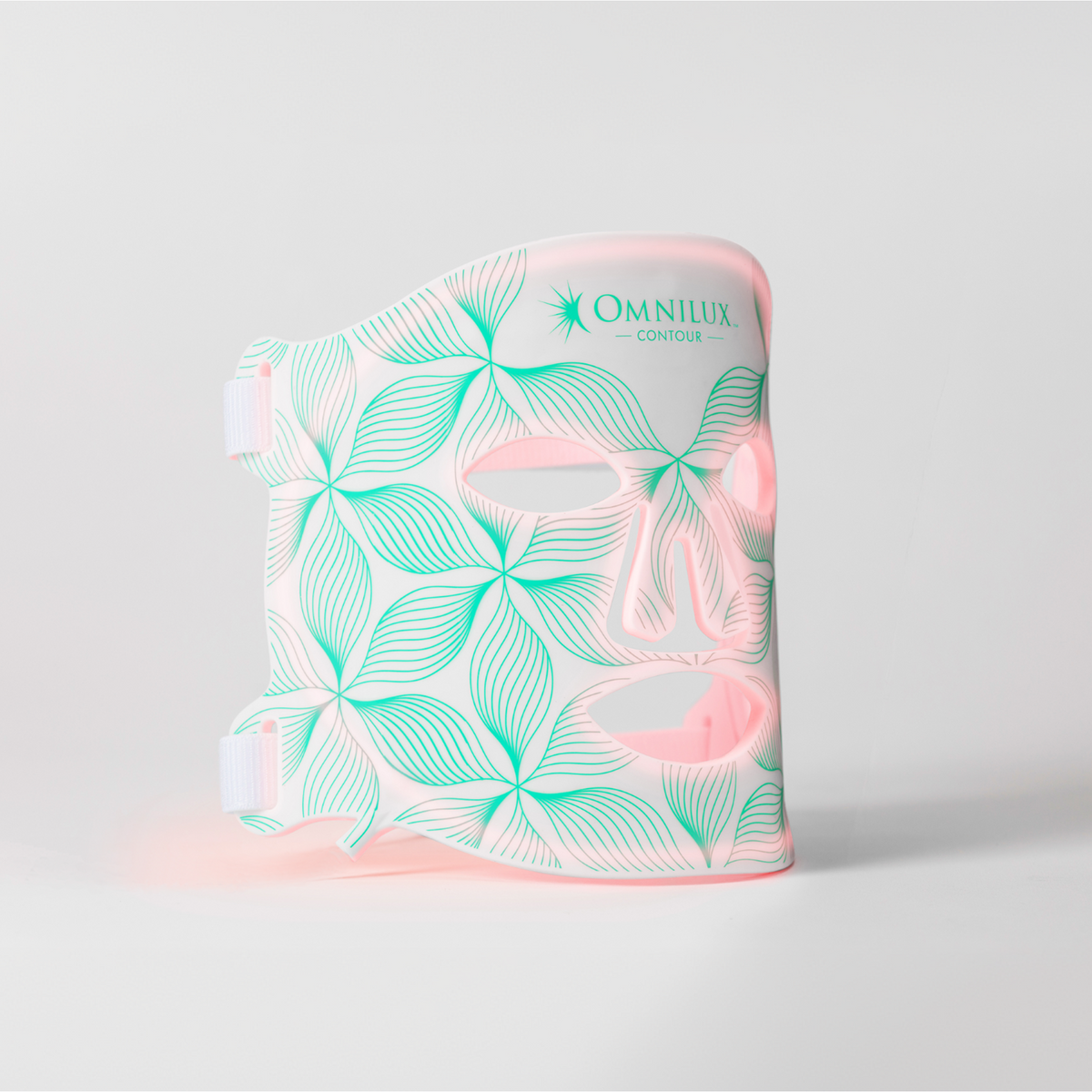
Omnilux Contour Face. Product photo: Omnilux.
Light: wavelengths and output
Both masks use the two wavelengths with the most research behind them for skin: red light in the low 600s and near-infrared in the 800s. Omnilux pairs 633nm red with 830nm near-infrared and fires them at the same time. INIA lists 630nm red, 610nm amber and 850nm near-infrared.
Output is where the honest comparison gets interesting. INIA’s listing claims a figure that independent spectrometer testing did not come close to. The measured number for the INIA landed around 30 mW/cm², which is in the same range Omnilux publishes for the Contour. So the cheaper mask is not dramatically weaker in practice. What you are paying for with Omnilux is a brand that tells you the real number up front.
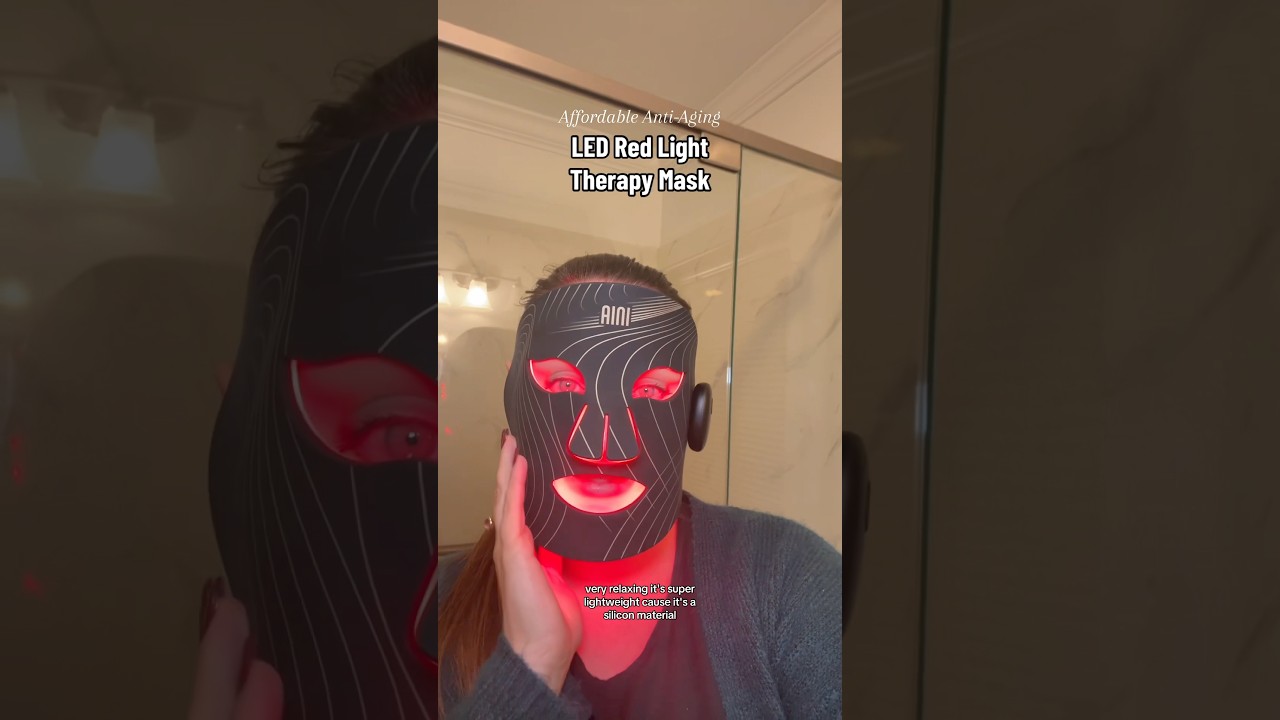
INIA: fully wireless. Two magnetic battery packs swap in and out, so one charges while the other runs. That makes it easy to wear lying down or while you move around.
Omnilux: a battery controller connects to the mask, so it is cordless in use, with a power supply included if you prefer to plug in. Two velcro straps hold it in place, and it comes with a carry bag.
Fit: both are soft silicone that bends to the face. Coverage along the jaw and chin varies with face shape, so expect the lower face to get a little less light on either one.
The INIA GLOW wireless mask in use.
Sessions and schedule
Both brands recommend 10-minute sessions. Omnilux suggests three to five sessions a week for four to six weeks, then maintenance. INIA’s guidance is similar: a few sessions a week, then a lighter maintenance routine. Consistency matters more than which mask you choose. The mask you will actually put on most nights is the better mask.
Proof, clearance and warranty
Omnilux is marketed as FDA cleared and backs the device and the controller with a two-year warranty. It is one of the few at-home brands that publishes its output.
INIA has FDA clearances linked to its manufacturers’ models, but not every current model shows a clearance number. Check the exact model number on the listing before you buy.
The move here: if published specs and a retailer return policy matter to you, that alone justifies the Omnilux.
What red light can and can’t do
Red and near-infrared light have the best evidence for overall skin texture and the look of fine lines, with results building over weeks. They are not a fix for dark spots or melasma, and neither mask replaces a retinoid or daily sunscreen. If you have a light-sensitive condition, take medication that makes you sensitive to light, or are pregnant, talk to your doctor before starting either mask.
Which one to buy
Buy the Omnilux Contour Face if you want published specs, a well-known brand, a two-year warranty and the option to return it through a beauty retailer.
Buy the INIA GLOW if value comes first, you like the idea of swappable batteries, and you are comfortable buying a lesser-known brand on Amazon.
Skip both if dark spots or acne are your main concern. Those need a different plan.
Is the INIA mask as good as Omnilux? For raw light output, independent testing puts the INIA in a similar range to what Omnilux publishes. Omnilux is the stronger choice for published specs, clearance and warranty. INIA is the stronger choice for value.
Is Omnilux worth the extra money? It is worth it if you value a brand that publishes its output, a two-year warranty and easy retailer returns. If you only want a consistent red light routine, the INIA covers the basics for much less.
How long does each session take? Ten minutes for both, a few times a week.
Can red light masks fade dark spots? The evidence for red light on dark spots is weak. Sunscreen and proven topicals do more for pigment.
Which mask is easier to use in bed? The INIA, since it is fully wireless with swappable batteries. The Omnilux is cordless too, but the controller connects to the mask.
Kenzzi vs Nood: for most shoppers, the Nood Flasher Pro is the pick. Nood publishes its energy figure, wavelength range, and window size, includes a second lens for skin in the same box, and sells online. The Kenzzi Ice Cooling IPL is the pick if you want to buy from a store, since Kenzzi now sells through retailers like CVS and Walmart and backs the handset with a 3-year replacement warranty. Here’s what to look for before you choose.
Pick the Nood Flasher Pro if you want published specs you can compare, a hair lens and a skin lens in one kit, and online ordering.
Pick the Kenzzi Ice Cooling IPL if you want to buy in a store, you like having a printed flash count, and the 3-year replacement warranty matters to you.
Skip both if your skin is brown to black or your hair is very light blonde, red, or gray. Both brands rule out the deepest skin tones, and IPL needs pigment in the hair to work.
Same on both: five intensity levels, built-in cooling, a glide mode for large areas, and a 90-day money-back offer with conditions worth reading.
Nood vs Kenzzi, side by side
This table compares the Nood Flasher Pro with the Kenzzi Ice Cooling IPL Handset, using what each brand’s own pages say. Prices move with sales, so check today’s price at the retailer.
Nood Flasher Pro
Kenzzi Ice Cooling IPL
Where it sells
Amazon and Nood’s own site
Retail partners. Kenzzi’s page links to CVS
Energy figure on the product page
7 J/cm²
None listed
Wavelength on the product page
510 to 1200 nm for the hair lens
None listed
Treatment window
3 cm²
Described as larger, no size given
Intensity levels
5
5
Cooling
CryoSoothe cooling
Built-in ice cooling plate
Glide mode
Continuous Glide Mode
Auto Glide Mode
Flash count
Lifetime flash guarantee, no count on the page
999,999 flashes
Second lens for skin
Yes, the Ageless lens is included
None listed
Brand schedule
Every 3 days for up to 12 weeks, then monthly
3 to 4 times a week for the first 1 to 4 weeks, then 2 to 3 times a week, then touch-ups every 1 to 2 months
Face
Yes, except the eyebrows and around the eyes
Yes, on a lower setting
Skin tones ruled out
Fitzpatrick V to VI
Skin type V to VI
Money-back window
90 days on direct purchases, minus a restocking fee
90 days in the USA, with usage and photo conditions
Warranty
Nood’s warranty page covers one year and is written for the Flasher 2.0
3-year replacement warranty
FDA wording on the page
No FDA claim on the product page
Says FDA cleared, no clearance number given
Kenzzi also lists a Sapphire Ice Cooling IPL, which its site sends to Walmart. The rest of this post sticks to the Ice Cooling IPL Handset, the model Kenzzi’s site sends to CVS.
The biggest difference: what each brand publishes
At-home IPL handsets look alike on a shelf. The numbers are what let you compare them, and this is where the two brands split.
Nood’s product page lists 7 J/cm² of energy, a 3 cm² treatment window, a 510 to 1200 nm range for the Hairless lens, and a 560 to 1100 nm range for the Ageless lens. Kenzzi’s page for the Ice Cooling IPL lists five intensity levels, a 999,999 flash capacity, and a larger treatment window, with no energy figure, no wavelength, and no window size.
A published number is not proof of results. It does give you something to hold the brand to, and something to line up against other devices. How Nood’s figures compare with the rest of the category is covered in Nood Flasher Pro vs Other IPL Devices, and the Ulike matchup is in Nood Flasher Pro vs Ulike Air 10.
Where Kenzzi wins
You can buy it in person. Kenzzi’s FAQ says its products are sold through retailers and names Walmart and CVS for North America. That means a store return desk if something goes wrong in the first weeks.
The warranty is longer on paper. Kenzzi posts a 3-year replacement warranty for the Ice IPL device in the US. Keep the receipt, since a claim needs proof of purchase and a video of the defect.
The flash count is printed. Kenzzi lists 999,999 flashes. Nood promises a lifetime flash guarantee and gives no count on the product page.
The guarantee covers store purchases. Kenzzi’s 90-day money-back page says it applies to US customers, including in-store purchases.
Where Nood wins
The specs are public. Energy, wavelength, and window size are all on the product page.
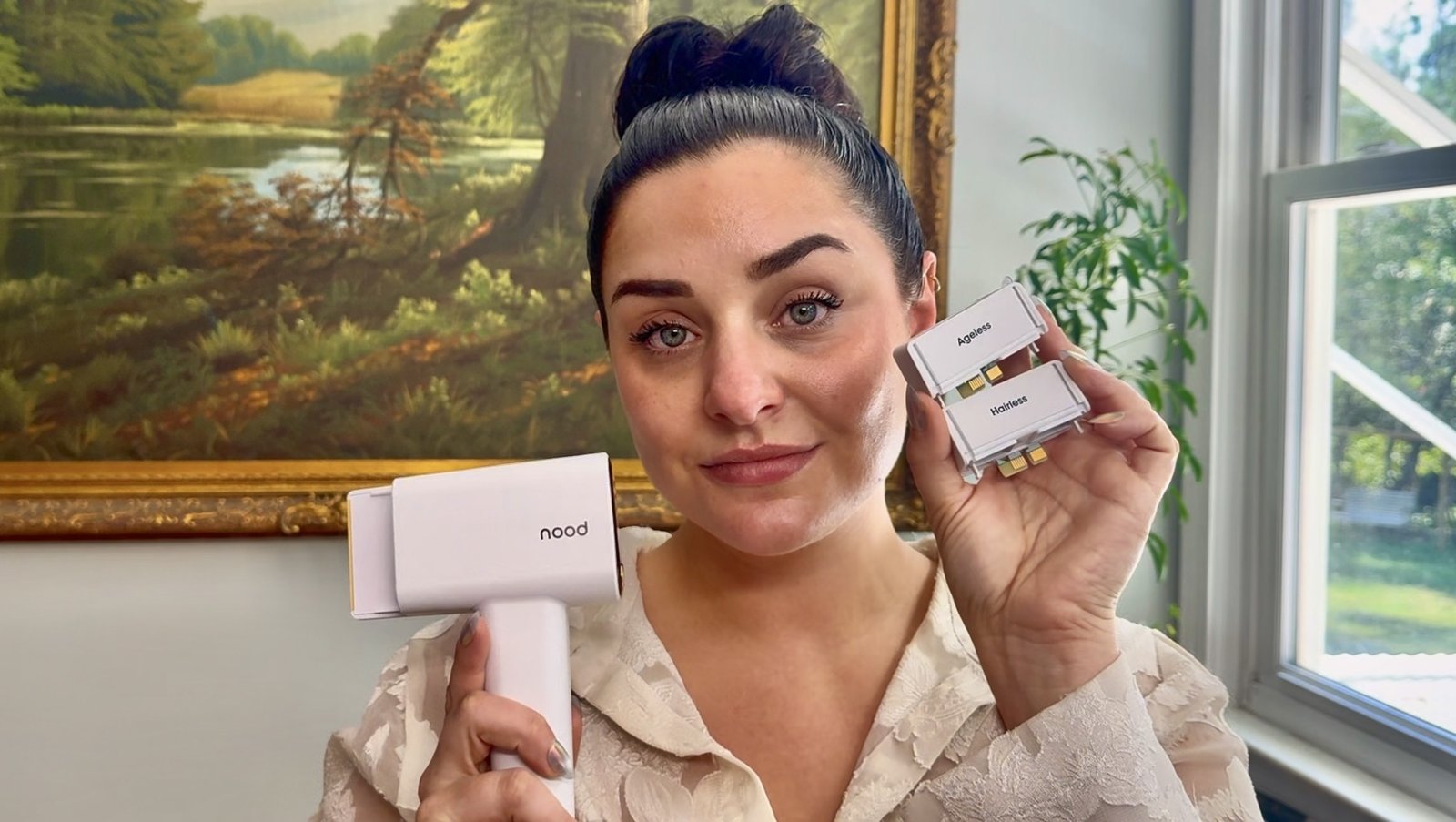
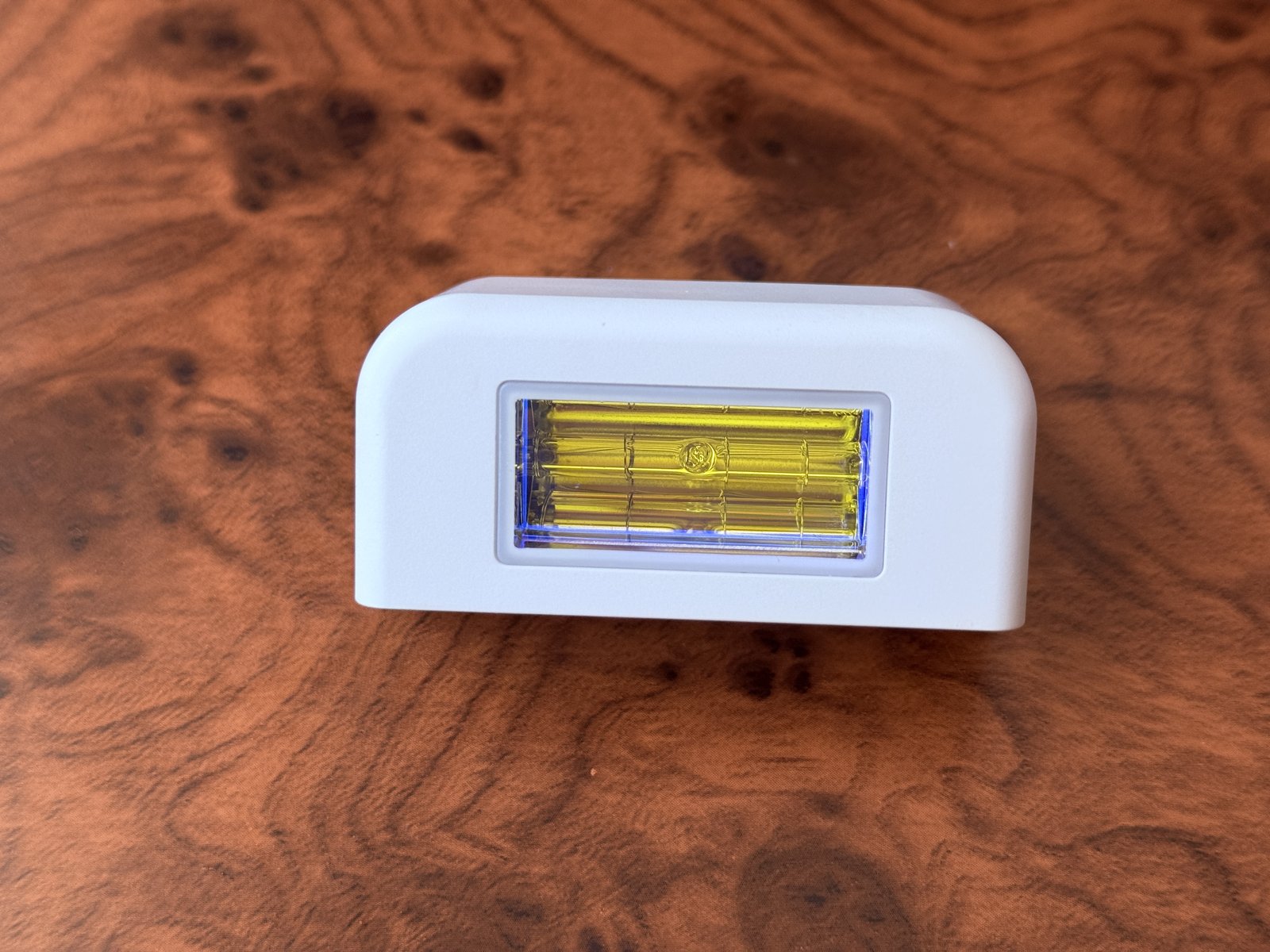
Two lenses in one kit. The Flasher Pro ships with the Hairless lens for hair and the Ageless lens for skin. Kenzzi’s pages list no skin lens. The difference between the two is in Nood Hairless vs Ageless Lens, and the skin lens has its own review with a video walkthrough.
A lighter schedule. Nood’s page calls for a session every 3 days. Kenzzi’s page starts at 3 to 4 sessions a week.
Online ordering. The Flasher Pro is on Amazon, sold by Nood Beauty, and on Nood’s own site.
The Flasher Pro handset with both lens cartridges. Kenzzi’s pages list no second lens.
Both brands advertise 90 days. The conditions are different, and where you buy decides whether the offer applies at all.
Nood: the 90-day satisfaction guarantee refunds the purchase minus a restocking fee, and Nood’s page says it only applies to purchases made directly through its own sites. An Amazon order falls under the return policy shown on the Amazon listing instead, so check that window before you buy.
Kenzzi: the 90-day guarantee is for US purchases. To qualify, Kenzzi asks for at least 60 days of use, at least six treatments spaced a week apart, a dated photo before each of those six sessions, and proof of purchase.
The move with either device is to save the receipt, take a dated photo before the first session, and put the last day of the return window on the calendar.
Will either one work on your hair and skin?
IPL works by contrast. Pigment in the hair absorbs the light, so dark hair on lighter skin is the best fit for both devices.
Deeper skin tones: Kenzzi lists skin type V to VI under do not use. Nood says IPL is not safe or suitable for brown or dark brown to black skin.
Light hair: Nood says the Hairless lens may not be suitable for very light blonde, red, or gray hair. More on that in Does Nood Work on Blonde Hair?
Not sure: Kenzzi’s page has a compatibility quiz, and Nood prints a hair and skin chart. Nood also recommends a Skin Safety Test before the first full session.
Health conditions: Kenzzi’s page lists pregnancy, nursing, and a set of medical conditions under do not use. Read that list, and ask a doctor if any of it applies to you.
What the brands claim about results
Nood’s page says 86% saw a significant reduction in hair regrowth and cites up to 95% hair reduction. Kenzzi’s page cites a consumer perception study after 4 weeks of use in which 93% noticed significantly reduced regrowth.
Both sets of numbers come from the brands, and neither page shows a head-to-head trial. Treat them as marketing, expect hair reduction that needs upkeep, and judge by your own dated photos. For how at-home IPL compares with a clinic, see Nood vs Laser Hair Removal.
Kenzzi vs Nood: who should buy which
Nood Flasher Pro: the pick for most people. It suits anyone who wants to see the numbers before buying, anyone who wants the skin lens in the same kit, and anyone who prefers to order online.
Kenzzi Ice Cooling IPL: the pick for anyone who wants to buy from a store shelf, wants a long replacement warranty, and is comfortable with fewer published specs.
Neither: brown to black skin, or very light blonde, red, or gray hair. A clinic consult is the better first step.
For most shoppers the Nood Flasher Pro is the stronger buy. Nood publishes its energy figure, wavelength range, and window size, and it ships with a second lens for skin. Kenzzi’s Ice Cooling IPL makes sense if you want to buy in a store and value its 3-year replacement warranty.
Where can you buy Kenzzi now?
Kenzzi’s FAQ says its products are sold through retailers, and it names Walmart and CVS for North America. The Ice Cooling IPL page on kenzzi.com sends shoppers to CVS, and the Sapphire Ice Cooling IPL page sends them to Walmart.
Is Kenzzi FDA cleared?
Kenzzi’s product page for the Ice Cooling IPL Handset says FDA cleared. The page does not give a clearance number, so ask the retailer or the brand for it if that matters to you.
Can you use Kenzzi or Nood on your face?
Both brands list the face. Kenzzi suggests a lower setting for delicate spots like the face and bikini line. Nood says the Flasher Pro is not suitable for the eyebrows or the area right around the eyes.
Do Kenzzi and Nood work on dark skin?
No. Kenzzi lists skin type V to VI under do not use, and Nood says IPL is not safe or suitable for brown or dark brown to black skin. A clinic consult is the better route for deeper skin tones.
Do Kenzzi and Nood work on blonde or gray hair?
IPL needs pigment in the hair. Nood says its hair lens may not be suitable for very light blonde, red, or gray hair. Kenzzi points shoppers to a compatibility quiz for their hair and skin combination.
Sources: Nood’s Flasher Pro product page and warranty page, the Nood Flasher Pro Amazon listing, Kenzzi’s Ice Cooling IPL Handset and Sapphire Ice Cooling IPL product pages, Kenzzi’s FAQ, 90-day guarantee page, and US warranty page, and the Kenzzi listing at CVS. Details checked October 2026 and can change. This post is general information, not medical advice.
Yes, you can use the Nood Flasher Pro on your face. Nood says it can go anywhere on the face or body except the eyebrows and the skin right around the eyes, so the upper lip, chin, jawline, and neck are all allowed. The catch is fit. It needs dark hair on lighter skin, it will not do anything for peach fuzz, and the face is the area where the cautions matter most. If your facial hair is dark and you are already treating legs or underarms, the Nood Flasher Pro is a reasonable pick. Here’s what to look for before the first flash.
Yes on: upper lip, chin, jawline, and neck. Nood’s page allows the whole face outside the eye area, and its own list names the chin and neck.
No on: eyebrows, the skin around the eyes, tattoos, moles, and dark freckles.
Works on: black, brown, and dark blonde hair. That is Nood’s own chart.
Does not work on: peach fuzz, or light blonde, red, and grey hair. Nood also rules out brown to black skin tones.
Before you start: shave instead of waxing or tweezing, run the skin test, and pause retinol and acids on the area.
Where you can use Nood on your face
Nood’s product page for the Flasher Pro is the source here, with its general FAQ filling in the cautions.
Area
Nood’s guidance
The move
Upper lip
Allowed. The page says anywhere on the face outside the eye area and eyebrows
Shave first and start on the lowest level
Chin and jawline
Allowed. The chin is named in Nood’s own area list
The best facial fit when the hair is dark and coarse
Neck
Allowed. Named in Nood’s area list
Same routine as the chin
Cheeks and sideburns
Covered by the whole-face wording. The manual holds the full area list
Check the manual, and only treat hair you are sure you want gone
Eyebrows
Not suitable
Tweeze or thread, including the space between the brows
Around the eyes
Not suitable
Stay below the cheekbones
Tattoos, moles, dark freckles
Do not flash over them
Work around them. Nood says light freckles are fine
What Nood says vs what the FDA file says
One detail worth knowing. The FDA 510(k) file that the Nood Flasher Pro comparison post traces to this device, K241106, lists small areas such as the underarms and “facial hair below the chin line.” The file names the manufacturer and its model numbers, not the Nood brand. Nood’s own page goes further and allows the whole face outside the eye area.
So use from the chin line down is the part with the clearance wording behind it. The upper lip, cheeks, and sideburns rest on the brand’s instructions. That is not a reason to panic. It is the reason to run the skin test, start low, and stay well clear of the eyes.
Will Nood work on your facial hair?
IPL works by contrast. Pigment in the hair absorbs the flash and turns it into heat, and the heat is what slows regrowth. Nood says its hair removal lens needs high contrast between the hair and the skin. On the face, that sorts people quickly.
Dark, coarse hairs on the upper lip, chin, or jawline: the best fit. There is plenty of pigment for the light to target.
Peach fuzz: not a fit. Fine, pale facial fuzz has too little pigment to target. What works here is dermaplaning. A sonic dermaplaning tool like the Michael Todd Sonicsmooth Pro+ is built for exactly that, and the other options are in the best at-home dermaplaning tools.
Light blonde, red, or grey hair: Nood lists all three as not recommended. Mayo Clinic notes that electrolysis is the better option for naturally blond or white hair. More on that in Does Nood Work on Blonde Hair?
Brown to dark brown or black skin: Nood says IPL is not safe or suitable. A clinic consult is the move, since office lasers cover more skin tones.
Hormonal hair: if coarse chin or neck hair showed up suddenly or keeps getting heavier, the first stop is a doctor. Mayo Clinic notes that blood tests can show whether hormone levels are behind it. A device treats the hair, not the cause.
Run the Skin Safety Test. Nood recommends one before starting treatment. Pick a small patch along the jaw and follow the timing in the manual.
Shave. Do not wax, tweeze, or thread. Nood says to shave the area so the light reaches the follicle, and to stick to shaving between sessions, because pulling the hair out reduces effectiveness. On the face, a facial razor or a dermaplaning tool handles this step.
Go in clean, dry, and bare. Nood says no lotions, creams, or self-tanner on the skin. Take makeup off first.
Pause retinol and acids on the area. Nood’s general FAQ calls for at least 7 days between retinol or acid-based products and a session. It also says to wait about six months after finishing Accutane.
Start low. The Flasher Pro has five intensity levels. Nood’s general guidance is to start at level 3 and adjust by comfort. Facial skin is more reactive than a shin, so the cautious move is level 1 on the face, stepping up only if the skin stays calm.
Press the window flat and stay below the cheekbones. Nood’s general FAQ says the handset has a sensor that will not flash until the whole window is against the skin. Look away from the flash anyway.
Keep the schedule. For the hair lens, Nood’s product page says every three days for up to 12 weeks, then monthly.
Skip tanned or sunburned skin. Nood says to wait at least two weeks after tanning and a month after a sunburn, and to let a spray tan fade first.
One caution from Nood’s own FAQ: the Ageless lens can also reduce hair where it is used over time. Keep either lens away from any hair you want to keep, like the hairline, the edge of the brows, or a beard line.
The face-specific risk to know about
One risk rarely makes a product page: paradoxical hair growth, where hair in or near the treated area comes in thicker instead of thinner.
A 2021 systematic review in the American Journal of Clinical Dermatology (Snast and colleagues) pooled 22 studies of laser and light hair removal covering 9,733 patients. It estimated paradoxical growth in about 3% of them, with a confidence range of 1% to 6%, and tied it mainly to the face and neck. Away from the face and neck it was rare, at 0.08%.
The review covered laser and IPL hair removal and does not report on at-home devices, so the number does not transfer directly. In three of the four studies that tracked it, the extra growth eased with continued treatment. The takeaway: if facial hair looks denser or starts spreading after a run of sessions, see a dermatologist before deciding whether to keep going.
Who should skip Nood for the face
Peach fuzz is the only goal. Dermaplaning is the right tool for that job.
Light blonde, red, or grey facial hair. Electrolysis is the route that does not depend on pigment.
Brown to black skin. Book a clinic consult instead.
The upper lip is the only area on your list. A short course of clinic sessions can be the better buy for one small area. The comparison is in Nood vs Laser Hair Removal.
New or fast-growing coarse hair on the chin or neck. See a doctor first.
Pregnant or breastfeeding. Nood recommends waiting.
On Accutane, or finished it within about six months. Nood says to wait.
The verdict
Nood on the face makes sense when the hair is dark, the skin is on the lighter side of Nood’s chart, and the face is one of several areas you plan to treat. The face is a small add-on to a routine you are already doing, and the same device covers legs, underarms, and bikini line with no refills to buy.
It is the wrong tool for peach fuzz, pale hair, deeper skin tones, and anything near the eyes. For fuzz, look at dermaplaning, and for the method comparison see Dermaplaning vs Waxing.
Yes. Nood says the Nood Flasher Pro can be used anywhere on the face or body except the eyebrows and the area right around the eyes, so the upper lip, chin, jawline and neck are all allowed. It works on dark hair on lighter skin, not on peach fuzz. Shave first, start on the lowest level, and treat only hair you are sure you want gone.
How do you use the Nood Flasher Pro on your face?
Run Nood’s Skin Safety Test on a small patch along the jaw first. Then shave the area, since waxing or tweezing removes the hair the light needs, and go in clean and dry with no makeup, lotion or self-tanner. Pause retinol and acids for at least 7 days. Start on level 1, keep the window flat on the skin, and stay away from the eyebrows and eyes.
Can you use Nood on your upper lip?
Yes, by Nood’s instructions. The upper lip falls under the whole-face wording on the Nood Flasher Pro product page. Shave first rather than waxing or threading, take off makeup and skip lotion, start on the lowest level, and keep the window flat on the skin. Facial skin is more reactive than a shin, so step up a level only if the skin stays calm.
Can you use Nood on chin hair?
Yes. Nood names the chin and neck in its own treatment area list, and dark, coarse chin hair is the best facial fit for IPL because the light needs pigment in the hair to work. If chin hair appeared suddenly or keeps getting heavier, see a doctor before treating it, since that pattern can have a medical cause worth checking first.
Does Nood work on peach fuzz?
No. Peach fuzz is fine and pale, and IPL needs dark pigment in the hair to absorb the light, so the Nood Flasher Pro has nothing to target there. Dermaplaning is the better tool for facial fuzz, and a dermaplaning tool also handles the shave step before an IPL session on darker hair like the upper lip or chin.
Can you use Nood on your eyebrows?
No. Nood says the Nood Flasher Pro is not suitable for the eyebrows or the areas right around the eyes. Keep both lenses away from the brow line, the hairline and any beard edge you want to keep, because IPL reduces hair wherever the light lands, and Nood’s own FAQ notes the Ageless lens can reduce hair over time too.
Can men use Nood on their face?
Nood says the Nood Flasher Pro works for men and women and lists the chin and neck as treatment areas. Expect hair reduction rather than a permanent clean line, and only treat hair you are sure you want gone, such as the neck below a beard. Keep the light off the beard edge itself unless you want that line to change for good.
How often should you use Nood on your face?
Nood’s product page sets the Hairless lens schedule at every three days for up to 12 weeks, then monthly for maintenance. On the face, keep the same rhythm, shave before each session, and skip a session if the skin is still red or irritated from the last one. Keep retinol and acids off the area for at least 7 days before each session.
Sources
Sources checked on November 6, 2026. Figures from brands are reported as the brand’s own claims.
Does Nood work? Short answer: yes, for the people IPL works for. That means dark hair (black, brown, or dark blonde) on very fair to light brown skin, a steady schedule for about two months, and touch-ups after that. What it delivers is less hair and finer regrowth, not permanent hair removal, and it is not a match for a clinic laser. If your hair and skin fit the chart, the Nood Flasher Pro is a reasonable buy. Here’s what to look for before spending the money.
It works on: black, brown, and dark blonde hair on very fair, fair, and olive to light brown skin. That is Nood’s own chart.
It does not work on: light blonde, red, or grey hair. Nood also lists brown and dark brown to black skin as not recommended.
What you get: hair reduction that lasts while you keep up maintenance. Not permanent removal.
What it takes: sessions twice a week for about two months, then touch-ups.
What it is not: a clinic laser. Professional devices run at higher energy and get there faster.
What working means for an IPL device
The Nood Flasher Pro is an intense pulsed light (IPL) device. Pigment in the hair absorbs the flash and turns it into heat, and that heat damages the follicle enough to slow regrowth. No pigment in the hair, no result. Too much pigment in the skin, and the skin takes the heat instead.
The device is FDA cleared, not FDA approved. Its clearance, 510(k) K241106, covers removal of unwanted hair and permanent reduction in hair regrowth. The FDA file defines that as a long-term, stable reduction in the amount of hair regrowing, measured at 6, 9, and 12 months after a treatment course. The same file states that no clinical study was performed for the clearance. Cleared means substantially equivalent to devices already on the market. It is not proof of a specific result.
So the useful question is not whether Nood removes hair forever. It is whether at-home light devices reduce hair, and by how much.
What the research says about at-home devices
No published trial has tested the Nood itself. The evidence is for the category.
A 2012 systematic review in the Journal of the European Academy of Dermatology and Venereology found seven studies of home light devices. Hair reduction ranged from 6% to 72% after repeated treatments. Most of the studies were uncontrolled, and the authors described the evidence as short term.
A 2015 randomized trial in the British Journal of Dermatology followed women through eight weekly treatments with a low-energy home laser. Growing hair dropped by up to 59%, and the hair that remained was up to 38% thinner. Three months after treatment stopped, hair counts were back above where they started.
A 2023 study in PLOS ONE compared a professional diode laser with a home device on underarms over six sessions. The professional laser reached 85% to 88% hair reduction. The home device reached 46% to 52%. It was small, with 15 people finishing.
Dermatologists read it the same way. Rachel Ward, MD, of Cleveland Clinic, says at-home devices have less power than office lasers and do not work as well, and that they suit light skin with dark hair.
The takeaway: these devices reduce hair while you keep using them. Stop, and hair comes back. Plan on maintenance from the start.
Will Nood work for you?
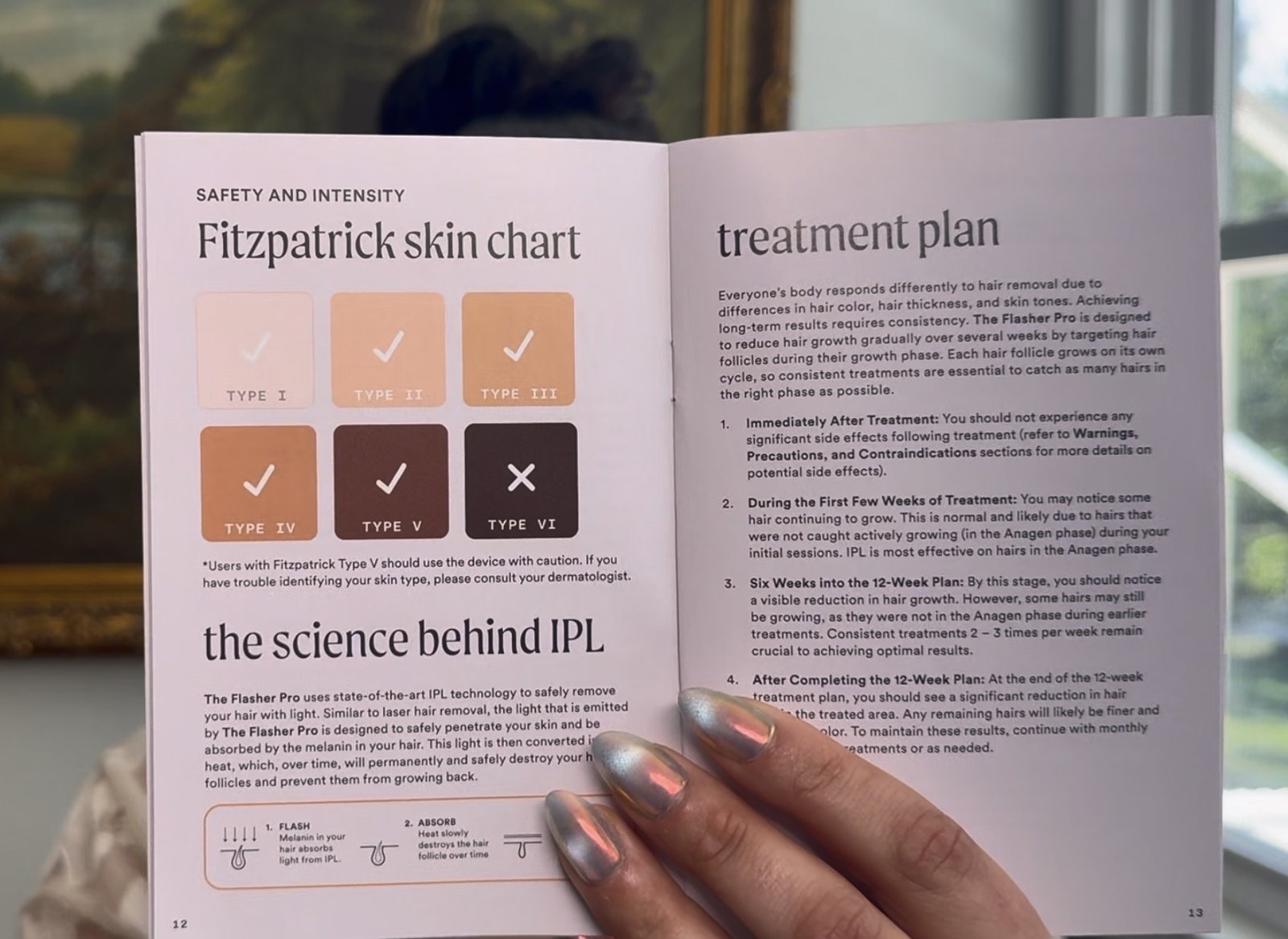
Hair color and skin tone decide it. This is how Nood’s chart sorts out.
Your hair and skin
Nood’s chart
The move
Black or brown hair, very fair to olive skin
Good fit
IPL is built for this contrast
Dark blonde hair, fair skin
Good fit
IPL works, with less pigment to target
Light blonde, red, or grey hair
Not recommended
Electrolysis, or dermaplaning for facial fuzz
Brown to dark brown or black skin
Not recommended
A clinic consult. Office lasers cover more skin tones
Tattoos in the treatment area
Do not flash over them
Work around them
The skin type chart from the Nood manual. Check it against your own skin before buying.
Nood’s FAQ sets the schedule at twice a week for the first two months, then a touch-up every three to six months as needed. Its product page words it differently: every three days for up to 12 weeks, then monthly. Either way, budget two to three months before judging it.
The listing promises visible results after the first use. A better checkpoint is the end of the starter schedule. Hair grows in cycles, and light only affects follicles in the active growth phase, which is why every source calls for repeated sessions.
What works here:
Shave first. Nood says to shave the whole treatment area so the light reaches the follicle.
Skip waxing, plucking, threading, and epilating. Nood says they reduce effectiveness, because the follicle has to be intact.
Start at level 3 of 5 and move up or down by comfort. That is Nood’s guidance. The cooling plate, which Nood calls CryoSoothe, keeps the skin cool during flashes.
Keep it off tattoos and away from the eyebrows and eye area.
Where Nood falls short
It is not permanent removal. Light devices are cleared for permanent hair reduction. Electrolysis is the method recognized for permanent removal.
It is weaker than a clinic laser by design. Even clinic laser is not one and done: the American Academy of Dermatology says most patients need two to six treatments and may need maintenance after that. The cost and session math is in Nood vs laser hair removal.
The marketed energy figure runs higher than the cleared one. Nood’s product page says 7 J/cm². The FDA file for the Flasher Pro’s model clears 1.84 to 5.23 J/cm². Go by the cleared range.
The brand guarantee has a catch. Nood’s 90-day guarantee refunds the purchase minus a restocking fee. Read the return terms wherever you buy.
It is corded. The box includes a six-foot power adapter, so plan to sit near an outlet.
Is the Nood Flasher Pro worth it?
Worth it if your hair and skin fit the chart, you want to treat more than one area, and you will keep the twice-weekly schedule for two months. A clinic charges by the area. The device is one purchase for all of them.
Skip it if your hair is light blonde, red, or grey, if your skin tone is on the not recommended side of Nood’s chart, if you want one small area gone for good (book electrolysis), or if you want the fastest result and have the budget for a clinic.
The Flasher Pro also ships with a second lens for skin, the Ageless lens. Treat it as a bonus, not the reason to buy. The details are in the Nood Ageless lens review.
Still comparing brands? The full IPL comparison shows what each brand publishes about its energy output, and what it leaves out.
Yes, for dark hair on very fair to light brown skin, as long as the schedule is kept up. It reduces hair and thins regrowth. It does not remove hair permanently, and it does not work on light blonde, red, or grey hair.
Is Nood FDA approved?
No. The Flasher Pro is FDA cleared under 510(k) K241106, which means the FDA found it substantially equivalent to devices already on the market. Cleared and approved are different things, and at-home IPL devices are cleared.
How long does Nood take to work?
Nood’s schedule is twice a week for the first two months. Judge it at the end of that stretch, not after one session.
Is Nood permanent?
No. The cleared claim is permanent hair reduction, and research on home devices shows hair returning after treatment stops. Nood itself recommends touch-ups every few months.
Can you use Nood on your face?
Nood lists the chin and neck among its treatment areas and says not to use it on the eyebrows or around the eyes. The FDA clearance wording is facial hair below the chin line. Peach fuzz is usually too fine and light for IPL to target. For that, see the best at-home dermaplaning tools.
Does Nood work as well as laser hair removal?
No. Clinic lasers run at higher energy and reach a result in fewer sessions. What the at-home device offers is one purchase that covers every area, on your own schedule. The numbers are in Nood vs laser hair removal.
Does Nood work on blonde hair?
On dark blonde, yes, according to Nood’s chart. On light blonde, no. There is not enough pigment in the hair for the light to target. More in Does Nood work on blonde hair?
Checked October 2026 against Nood’s Flasher Pro product page and FAQ, the Amazon listing, FDA 510(k) K241106, Thaysen-Petersen et al. (Journal of the European Academy of Dermatology and Venereology, 2012, and British Journal of Dermatology, 2015), Hendricks et al. (PLOS ONE, 2023), Cleveland Clinic, and the American Academy of Dermatology. This post is general information, not medical advice.
A realistic Nood Ageless lens before and after is a change in tone, not a change in lines or face shape. If the lens does its job, it shows up as softer dark spots and calmer redness, and Nood’s own timeline puts the best results at 8 to 12 weeks of consistent use. Wrinkles are the part to expect to look the same. So the verdict is simple: worth running if more even tone is the goal and your skin is in the fair to olive range (Fitzpatrick I to IV), and the wrong tool if fine lines are the goal.
Last updated: November 11, 2026
My pick if you want to try it at home
The Nood Flasher Pro, which ships with the Ageless lens. Nood has it at $299 today, down from $379, in its Black Friday sale (checked November 11). Prices move fast this month, so check both before you buy.
Here’s what to look for when buying: the Ageless lens ships in the box with the Flasher Pro as the second of its two detachable lenses, next to the hair removal lens. Check the Nood Flasher Pro on Amazon.
Nood Ageless lens before and after: the quick verdict
What you are tracking
Realistic change
What that is based on
Dark spots and sun spots
The most likely place to see a difference
The Ageless lens filters light to 560 to 1100nm, and pigment is what clinic IPL has the strongest record on
Redness and blotchiness
May look calmer over time
Nood says changes in pigmentation irregularities or redness can take several weeks
Overall tone and texture
Subtle and gradual
Nood says some users notice subtle improvements after a few sessions
Fine lines and wrinkles
Plan on no visible change
A biopsy study of clinic IPL found no clinically noticeable wrinkle improvement after six sessions
Firmness and pores
Unproven
Brand claim only, with no device-specific data behind it
The timeline: what to expect week by week
The move is to judge this lens on Nood’s own schedule, not on a single week. This is what the brand says, next to what is worth looking for at each point.
When
What Nood says
What to look for
Sessions 1 to 3
Some users notice subtle improvements in tone and texture after a few sessions
Nothing obvious yet is normal. Take the before photo before the first flash.
Around week 4
The product page promises visibly younger skin in as little as one month
The first honest photo comparison. Look at the darkest spot, not the whole face.
Weeks 8 to 12
Most users see the best results after consistent use for 8 to 12 weeks
This is the real after photo. If the spots look the same here, the lens is not doing much for your skin.
After week 12
The product page says to keep going 2 to 3 times per week on an ongoing basis. The getting started guide lists maintenance every 4 to 6 weeks.
Nood frames results as something to maintain with continued sessions, not a one-time fix.
One caution on the numbers. Nood’s anti-aging page lists figures like 91 percent seeing a visible reduction in fine lines, and the attribution under them reads “results based on published IPL studies.” Those are not results from this device, so they should not set the bar for a before and after at home.
Why clinic before and afters look more dramatic
Most of the striking IPL before and after photos online come from in-office machines. A clinic photofacial runs at higher energy with an operator choosing the settings, and the pattern is well documented: treated brown spots often darken first, then fade over roughly 7 to 14 days, across a series of sessions spaced about a month apart, according to Walk-in Dermatology.
The Ageless lens is a lower energy, at-home take on the same idea, so it makes sense to plan for a slower and subtler change: gradual fading over weeks, not a spot that darkens and lifts in days. The full energy comparison is in Nood Ageless Lens vs an In-Office IPL Photofacial.
What the Ageless lens will not change
Wrinkles. Researchers took skin biopsies from six volunteers before and after six clinic IPL sessions and measured collagen and elastin. They reported no clinically noticeable improvement in facial wrinkles and no statistically significant change in the proteins they measured (El-Domyati et al., Journal of Drugs in Dermatology, 2011). That was clinic strength IPL, and there is no reason to expect an at-home lens to do more.
One more thing worth knowing before judging results: the Flasher Pro’s FDA clearance is for hair removal, and the skin lens sits outside it. The Nood Ageless Lens review covers that in detail, along with the full how-to.
How to take a before and after photo you can trust
The reason most at-home before and afters prove nothing is lighting. What works here is a fixed setup that never changes:
Shoot the before photo first. Clean, bare skin, before the first session.
Same place, same light. Stand in the same spot at the same time of day, facing the same window or lamp.
Same distance and angle. A phone tripod or a piece of tape on the floor does the job. Take front, left, and right.
No help from the camera. Rear camera, no filter, no portrait mode, no beauty setting.
Pick a day off from the device. That way any temporary warmth or pinkness from a session does not skew the photo.
Compare the checkpoints. Week 0, week 4, week 8, and week 12, side by side. Pick one or two specific spots and judge those.
Watch: how a session with the Ageless lens runs
This video walks through what the 560nm filter is, how to prep skin, and how a session runs, including keeping the plate flat and working in passes across the cheeks, jaw, and forehead.
How to give the lens its best shot
A before and after is only as good as the routine behind it. Nood’s getting started guide sets the basics:
Start with clean, dry skin. Remove makeup, SPF, and actives like retinoids, acids, and vitamin C first.
Start low. Nood’s guide says level 1 to 2 for the Ageless lens. The walkthrough video above runs level 3 of 5.
Mind the no-go zones. Single flashes on the face and neck, and nothing on the eye area, lips, or dark moles.
Stay consistent. Two to three short sessions a week is what the 8 to 12 week timeline assumes.
Protect the result. Moisturize after, skip actives for 24 hours, and wear SPF 30 or higher every day.
Nood says some users notice subtle changes in tone and texture after a few sessions, with the best results after 8 to 12 weeks of consistent use. Plan on judging the Nood Ageless lens at week 8 at the earliest, using progress photos taken in the same light, at the same angle and with no makeup each time.
Does the Nood Ageless lens really work?
The Nood Ageless lens filters light to 560 to 1100nm, the range IPL uses for pigment and redness, so dark spots and uneven tone are where a change is plausible. Nood’s results figures for skin are attributed to published IPL studies, not to a trial of this device, so treat it as a reasonable bet for tone and not a guarantee.
Does the Nood Ageless lens get rid of wrinkles?
Do not buy the Nood Ageless lens for wrinkles. Nood markets it for the appearance of fine lines, but a biopsy study of clinic strength IPL found no clinically noticeable wrinkle improvement after six sessions. Where a change is plausible is tone: softer dark spots and calmer redness, which is what a realistic before and after shows.
How often should you use the Nood Ageless lens?
Nood’s product page says 2 to 3 times per week on an ongoing basis. Its getting started guide lists two sessions a week for the first eight weeks, then maintenance every 4 to 6 weeks. Consistency matters more than intensity, because Nood’s own timeline puts the best results at 8 to 12 weeks.
Can you use the Nood Ageless lens on dark skin?
No. Nood lists the Ageless lens for Fitzpatrick skin tones I to IV and says IPL is not safe or suitable for brown or dark brown to black skin tones. If you are unsure where your skin falls, check the skin tone chart on Nood’s product page and talk to a dermatologist before the first session.
Walk-in Dermatology, How Long Does It Take for Brown Spots to Fade After IPL: walkindermatology.com
El-Domyati et al., Intense Pulsed Light Photorejuvenation: A Histological and Immunohistochemical Evaluation, Journal of Drugs in Dermatology, 2011: jddonline.com
This post is general information, not medical advice. Talk to a dermatologist about your own skin.
Here is how to use the Michael Todd microdermabrasion tip: swap the dermaplaning blade on your Sonicsmooth for a Microsmooth diamond tip, cleanse and dry your face, pick a speed, hold the tip at a 45 degree angle starting near the hairline, and make short strokes that follow the contours of your face, one to three passes per area. Michael Todd Beauty recommends it once a week, as an in-between step a few days after your weekly dermaplaning session, not on the same day. If you want microdermabrasion with suction and pore extraction instead of a tip on your dermaplaning tool, that is a different device, the Sonic Refresher, covered further down.
The Sonicsmooth Pro+ comes with 2 Microsmooth tips. On sale at Michael Todd Beauty, 40% off (checked November 13, 2026).
The short version
What it is: Microsmooth is a diamond microdermabrasion tip that attaches to the Sonicsmooth in place of the blade. It buffs away dead skin with fine diamond particles and uses sonic vibration rather than suction.
Where to get it: two Microsmooth tips come in the box with the Sonicsmooth Pro+, and replacement two-packs are sold separately.
How often: once a week, as the brand puts it, an intermediate treatment between weekly Sonicsmooth sessions.
How: clean, dry skin, 45 degree angle, short strokes along the contours, one to three passes per area, then serum or moisturizer.
Not the same as the Sonic Refresher: that is Michael Todd’s standalone wet/dry microdermabrasion system with suction pore extraction and a mist. Different device, different steps.
Which Michael Todd microdermabrasion do you have?
Searches for “Michael Todd microdermabrasion” can mean either of two products, and the instructions are not interchangeable. Check this first.
Microsmooth tip
Sonic Refresher
What it is
A diamond microdermabrasion tip for the Sonicsmooth dermaplaning device
A standalone wet/dry sonic microdermabrasion and pore extraction system
How it exfoliates
Laser-cut diamond bits with sonic vibration, no suction
Diamond heads plus vacuum suction
Heads
One tip that swaps in for the blade, sold in two-packs
Coarse, fine and small fine diamond heads, plus three pore extraction heads
Extras
None, it rides on the Sonicsmooth
Nano mist for water or toner, 40 disposable filters, charging cradle
Speeds
The Sonicsmooth’s 3 speeds
Multiple speeds shown on an LCD
Brand’s frequency
Once a week, between weekly dermaplaning sessions
Once a week
Where it sells
In the Sonicsmooth Pro+ box, and as a two-pack on Amazon
Michael Todd Beauty’s own site
Best for
Anyone who already dermaplanes with a Sonicsmooth
Anyone who wants pore extraction and does not dermaplane
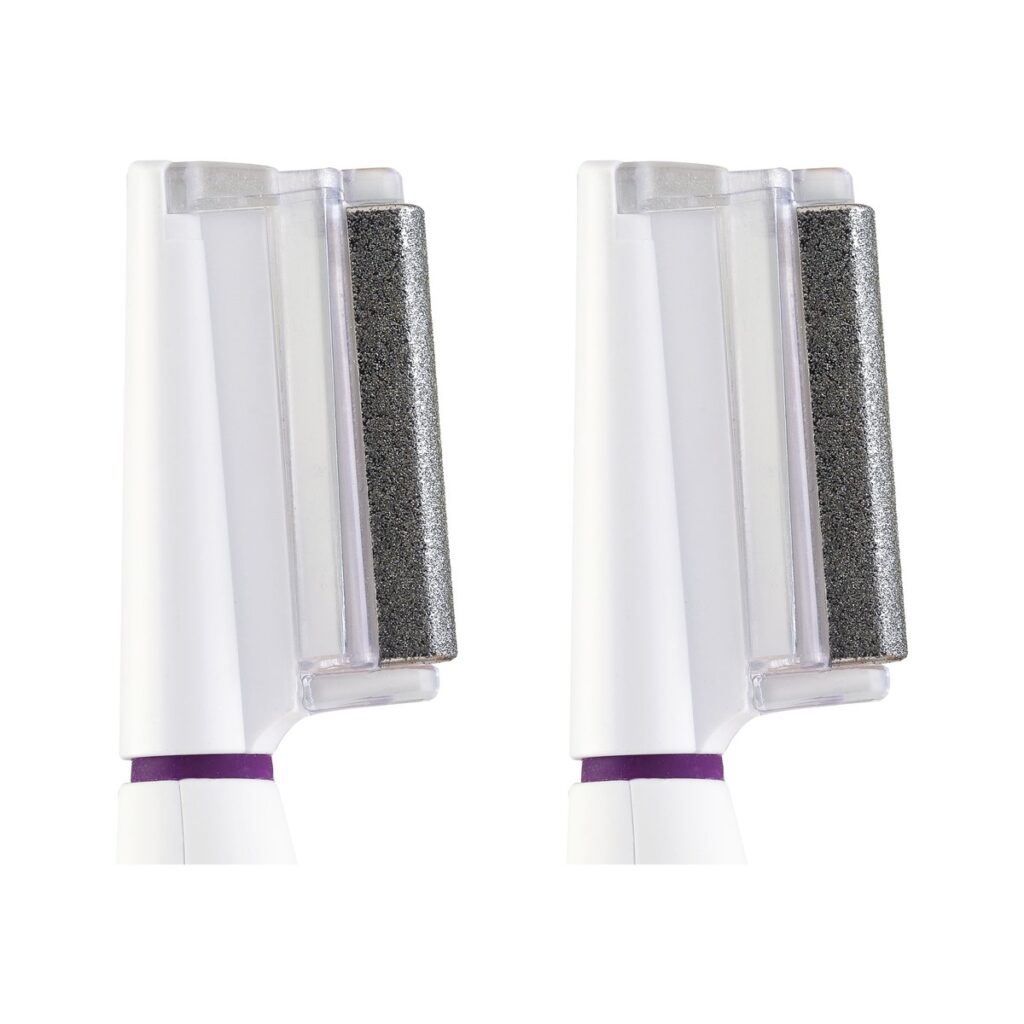
If you already own a Sonicsmooth Pro+, look in the box before you buy anything. The two Microsmooth tips are the small diamond-coated heads packed alongside the 16 dermaplaning blades.
The Microsmooth tips: diamond-coated heads that go on the Sonicsmooth in place of the blade. Image: Michael Todd Beauty.
How to use the Microsmooth microdermabrasion tip, step by step
Swap the blade for the tip. Remove the dermaplaning blade from the Sonicsmooth and attach a Microsmooth tip in its place. Make sure it is firmly seated before you turn the device on.
Cleanse with an oil-free cleanser. Rinse well and pat your face completely dry. The tip works on bare, dry skin, so skip oils and serums until the end.
Pick a speed. The Sonicsmooth has three. Start on the lowest setting the first few times and move up only if your skin is comfortable.
Hold the tip at a 45 degree angle. Start near the hairline and work down the face in sections.
Use short strokes that follow your contours. Forehead, cheeks, along the jaw and chin. Keep the tip moving and let it glide rather than pressing it in.
One to three passes per area. That is the brand’s range. One pass is plenty for a first session.
Follow with serum or moisturizer. Freshly exfoliated skin is the point where your skincare goes on most evenly. The Pro+ listing also advises holding off on makeup right after using the device.
Clean the tip. Take it off the device, rinse it under warm water, and let it air dry before you put it away.
The blade and the diamond tip do different jobs. The blade shaves off peach fuzz and the top layer of dead skin. The Microsmooth tip only buffs. Michael Todd Beauty positions Microsmooth as the step in between weekly Sonicsmooth sessions, and its how-to page suggests using the Microsmooth tips two to three days after you dermaplane. Its support article puts the Microsmooth frequency at once a week.
A simple rhythm that follows the brand’s guidance:
Do not stack both on the same day. Two exfoliating steps back to back is the fastest way to end up red and tight. If your skin still feels sensitive from dermaplaning, skip the Microsmooth that week.
The video below walks through the Sonicsmooth Pro+ dermaplaning routine that the Microsmooth step builds on.
At Home Dermaplane Tutorial Using Michael Todd Beauty Sonicsmooth Pro+
Who should go slow or skip it
Sensitive skin: the brand says Microsmooth suits all skin types, including sensitive skin, and that the speed setting lets you adjust the intensity. The move is the lowest speed and a single pass.
Irritated, broken or sunburned skin, or an active breakout: work around those areas or wait until they settle.
A skin condition or prescription skincare: check with a dermatologist before adding any exfoliating tool. Michael Todd’s own Sonic Refresher guide says the same for anyone under a doctor’s care for a skin condition or with very sensitive skin.
How to use the Michael Todd Sonic Refresher instead
If the device in your hands has a mist reservoir and suction heads, it is the Sonic Refresher. The quick start guide lays out a five-step routine, each step using the same glide technique.
Prep: charge it fully before the first use, test on a small area, cleanse and pat dry, and put a new disposable filter under the head.
Renew, coarse tip: short upward and outward strokes on the face. Keep it away from the thin skin around the eyes and lips.
Reset, small tip: the tight spots, around the nose, mouth lines, crow’s feet, between the brows and the forehead.
Refine, fine tip: a final polish before skincare or makeup.
Remove, pore extraction tip: suction lifts out congestion. Keep it moving the whole time.
Rehydrate: fill the reservoir with water or toner and mist. No oil-based products in the mister.
Technique for every step: work in one to two inch sections, hold the skin taut with your free hand, start on low speed, and begin with two to four passes, moving up to four to six once your skin is used to it. Never hold it still on one spot. The brand’s support article puts the Sonic Refresher at once a week. The guide also notes the device contains magnets, so keep it away from pacemakers and other implanted devices.
The Sonic Refresher does not show up on Amazon. It sells on Michael Todd Beauty’s site, with a 30-day money-back guarantee and a 3-year warranty listed on the page.
How do you use the Michael Todd microdermabrasion tip?
Swap the blade on your Sonicsmooth for a Microsmooth tip, cleanse with an oil-free cleanser and pat dry, choose a speed, then hold the tip at a 45 degree angle starting near the hairline and make short strokes along the contours of your face, one to three passes per area. Finish with serum or moisturizer.
How often can you use Michael Todd microdermabrasion?
Michael Todd Beauty recommends once a week for both the Microsmooth tip and the Sonic Refresher. For Microsmooth, the brand places it between weekly dermaplaning sessions, a few days after you use the blade.
Can you dermaplane and use the Microsmooth tip on the same day?
The brand frames Microsmooth as an in-between treatment, and its how-to page suggests the tips two to three days after dermaplaning. Spacing them out keeps you from exfoliating twice in one session.
Does the Sonicsmooth Pro+ come with microdermabrasion tips?
Yes. The Pro+ listing includes 16 dermaplaning blades and 2 Microsmooth exfoliation tips. Replacement Microsmooth tips are sold in two-packs.
Is Michael Todd microdermabrasion safe for sensitive skin?
The brand says both Microsmooth and the Sonic Refresher suit all skin types, including sensitive skin, with speed settings to adjust intensity. Start on the lowest speed with a single pass. If you have a skin condition or very sensitive skin, check with a dermatologist first.
How do you clean the Microsmooth tip?
Remove it from the device, rinse it under warm water after every use, and let it air dry.
Prices and contents were checked on the retailer sites on October 12, 2026 and can change. The button always shows the current price.
Quick answer: The top beauty gift set for moms this year is the Clinique Moisture Surge Set at Ulta: $23 for about $41 worth of products. To splurge, the Makeup Experts Set at Sephora ($85) has the biggest value of any set in this guide. The Makeup Experts Set is sold out online at Sephora as of October 31, 2026.
The best beauty gift for mom is one she will actually use every day, not one that sits in a drawer. These five 2026 gift sets from Ulta and Sephora are built around products with loyal followings: Clinique Moisture Surge, Lancôme mascara, salon-size Biolage and more. There’s a pick for every kind of mom and every budget.
Listed value is what the retailer says the contents are worth bought separately. It is not a past sale price. The one true apples-to-apples saving here is the Lancôme duo, where the matching single tube is $30.
1. Clinique Bright Eyes, Glowing Skin Gift Set
Best skincare gift · $23 at Ulta · Ulta lists the contents at $41
You save 44% ($18) vs. Ulta’s $41 listed value
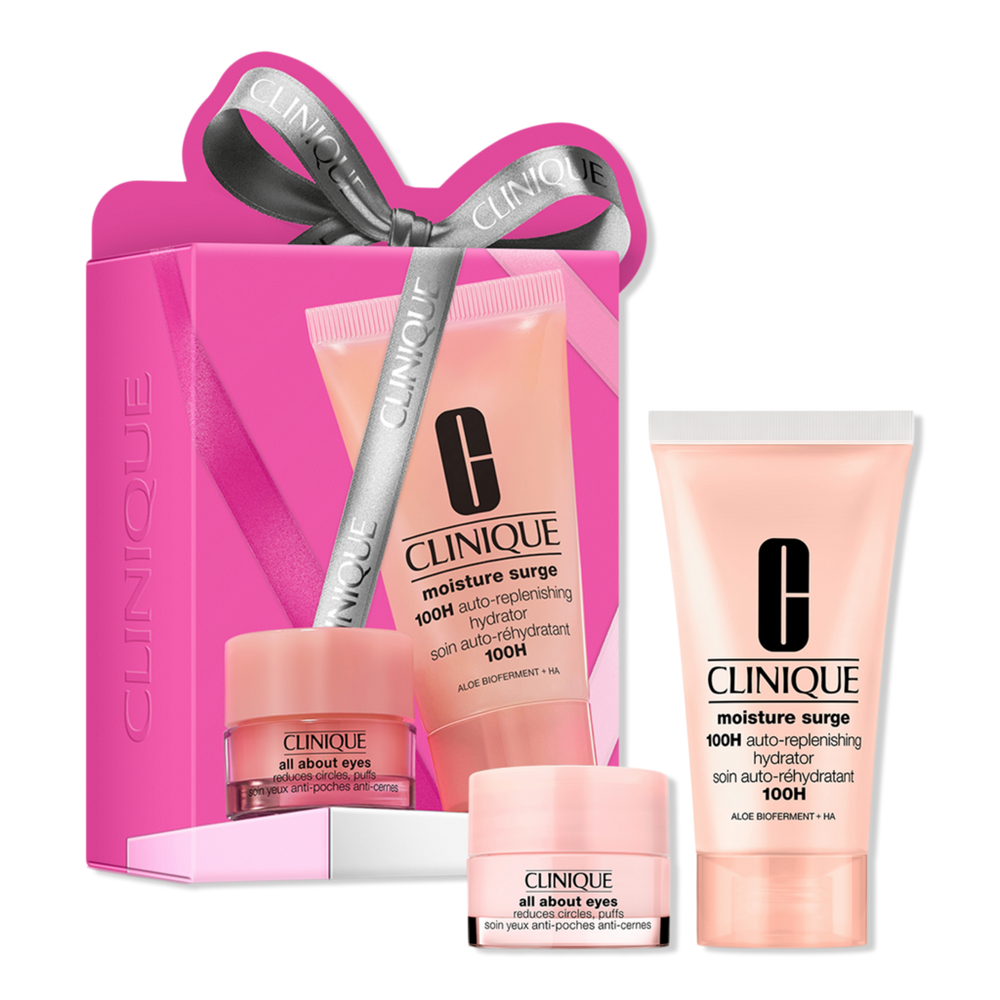
Moisture Surge plus All About Eyes for $23. Two Clinique staples moms tend to repurchase, in sizes that fit a travel bag. Pair it with a robe or candle for a bigger gift.
What’s inside: Travel-size Moisture Surge 100H Auto-Replenishing Hydrator (1 oz) and travel-size All About Eyes eye cream (0.17 oz).
Best for: Moms, mothers-in-law and anyone loyal to Clinique.
Best true saving · $39 at Ulta · Ulta lists the contents at $60
You save 35% ($21) vs. buying two $30 tubes separately
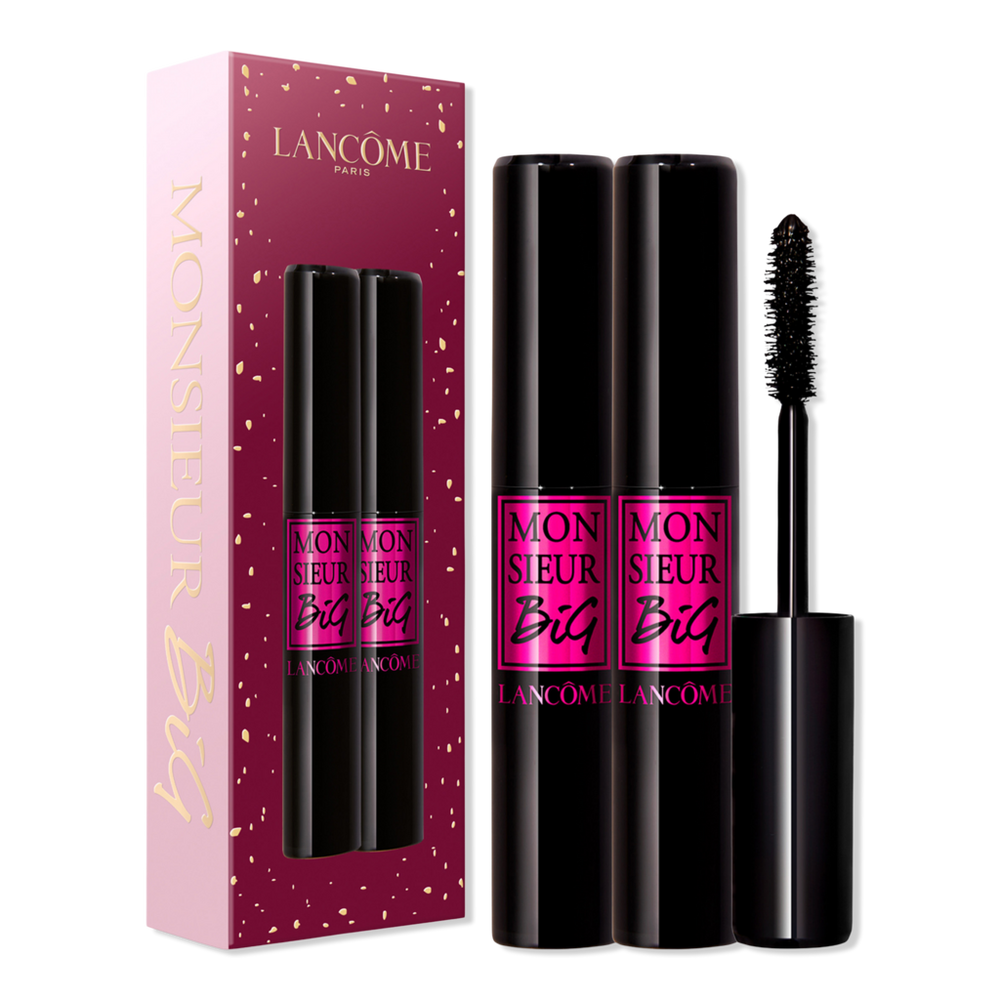
If she wears Lancôme, this is the smartest buy on the list: two full-size Monsieur Big tubes for $39, when one is $30 on its own.
What’s inside: Two full-size Monsieur Big Volumizing Mascaras, 0.33 oz each. The same tube sells on its own for $30, so this works out to $19.50 per tube.
Best for: Monsieur Big fans, or two gifts for the price of one and a half.
Best practical gift · $37 at Ulta · Ulta lists the contents at $70
You save 47% ($33) vs. Ulta’s $70 listed value
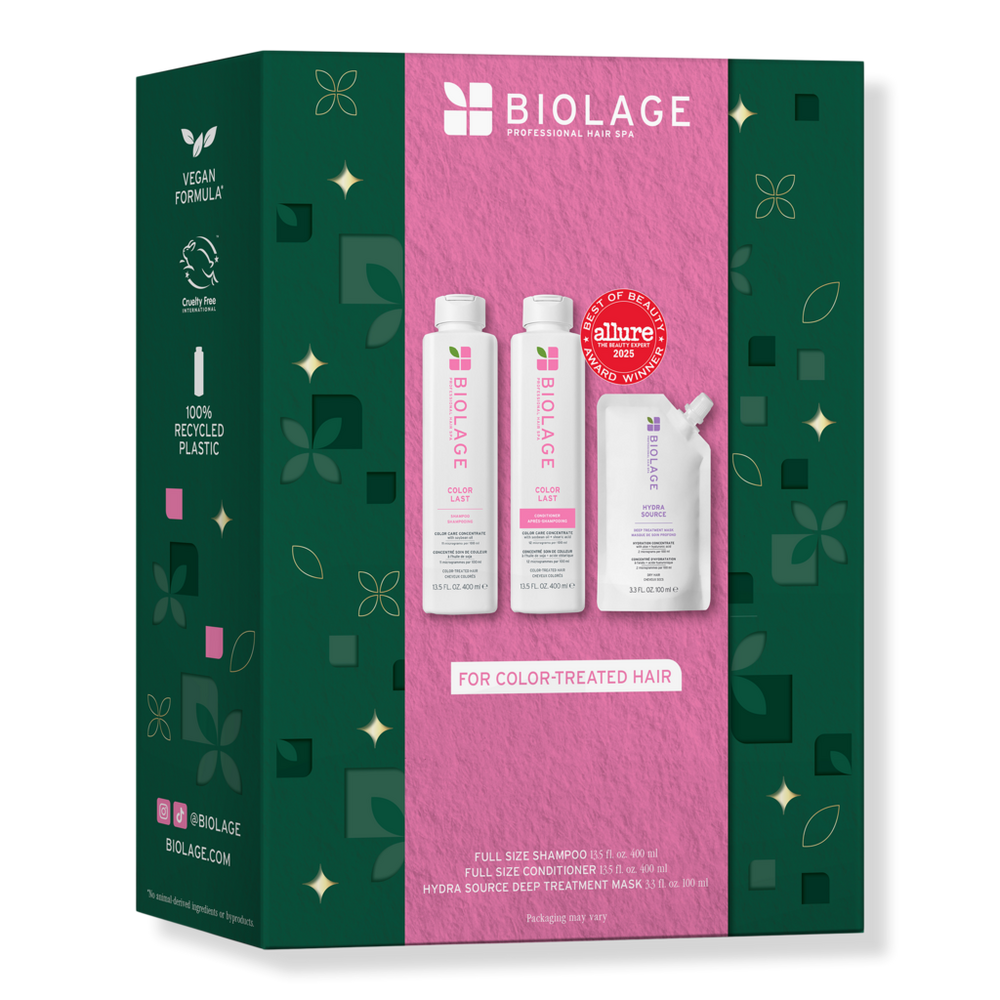
Two 13.5 oz salon bottles and a mask for $37. For a mom who colors her hair, this keeps the color fresh and lasts for months.
What’s inside: Color Last Shampoo (13.5 oz), Color Last Conditioner (13.5 oz) and Hydra Source Deep Treatment Mask (3.3 oz). Big salon bottles, not travel sizes.
Best for: Anyone who colors their hair (protect the color they paid for).
Best for the makeup-lover mom · $85 at Sephora · Sephora lists the contents at $281
You save 70% ($196) vs. Sephora’s $281 listed value
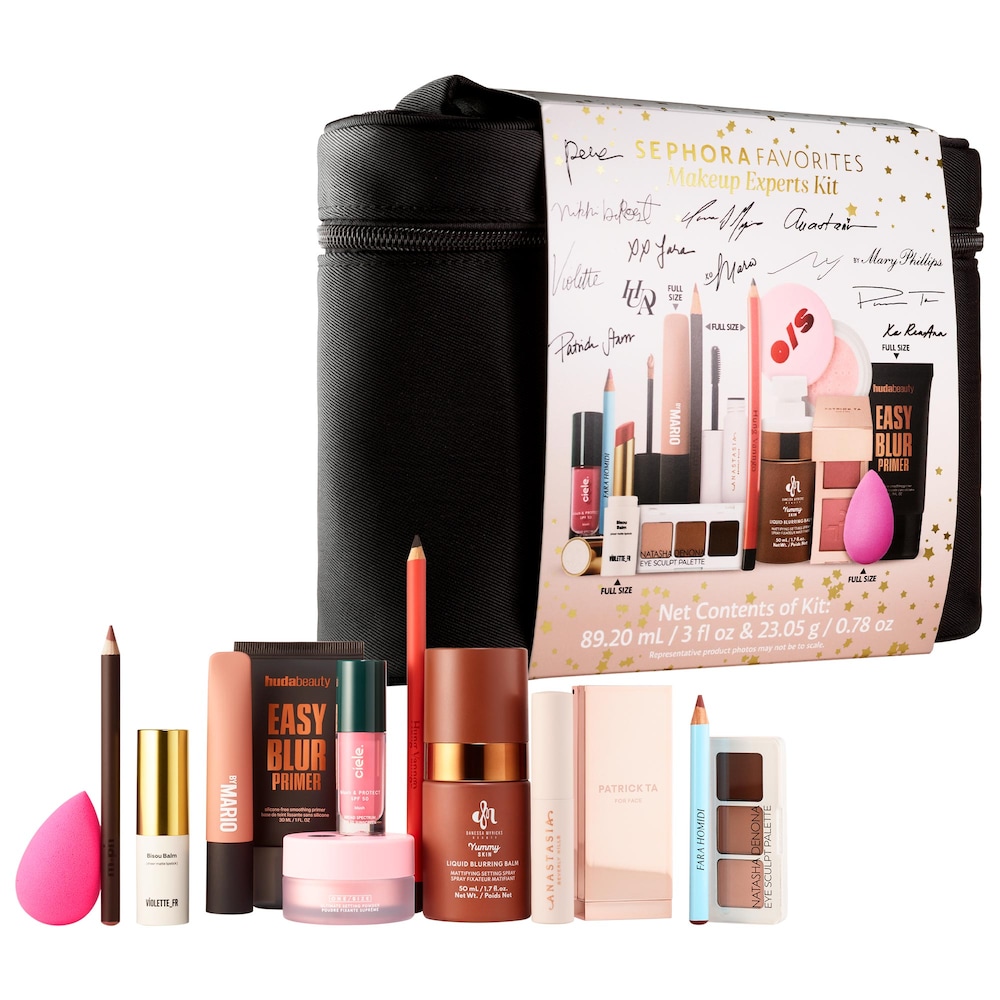
For the mom who loves trying new things: 14 pieces from brands like MAKEUP BY MARIO, PATRICK TA and HUDA BEAUTY, including a full-size primer and setting spray.
What’s inside: 14 pieces on the product page, including a Beautyblender, a 30 mL HUDA BEAUTY Easy Blur primer, a NATASHA DENONA Baby Eye Sculpt palette made only for this set, MAKEUP BY MARIO cream shadow, PATRICK TA Double-Take creme and powder, m.ph and Fara Homidi lip pencils, and a full 50 mL Danessa Myricks setting spray.
Best for: The makeup lover who wants to play with a dozen cult brands at once.
Sold out online at Sephora as of October 31, 2026. The button opens Sephora so you can check for a restock or in-store pickup.
5. Ulta Beauty Finds Wind Down Essentials
Best pampering gift · $24 at Ulta · Ulta lists the contents at $64
You save 63% ($40) vs. Ulta’s $64 listed value
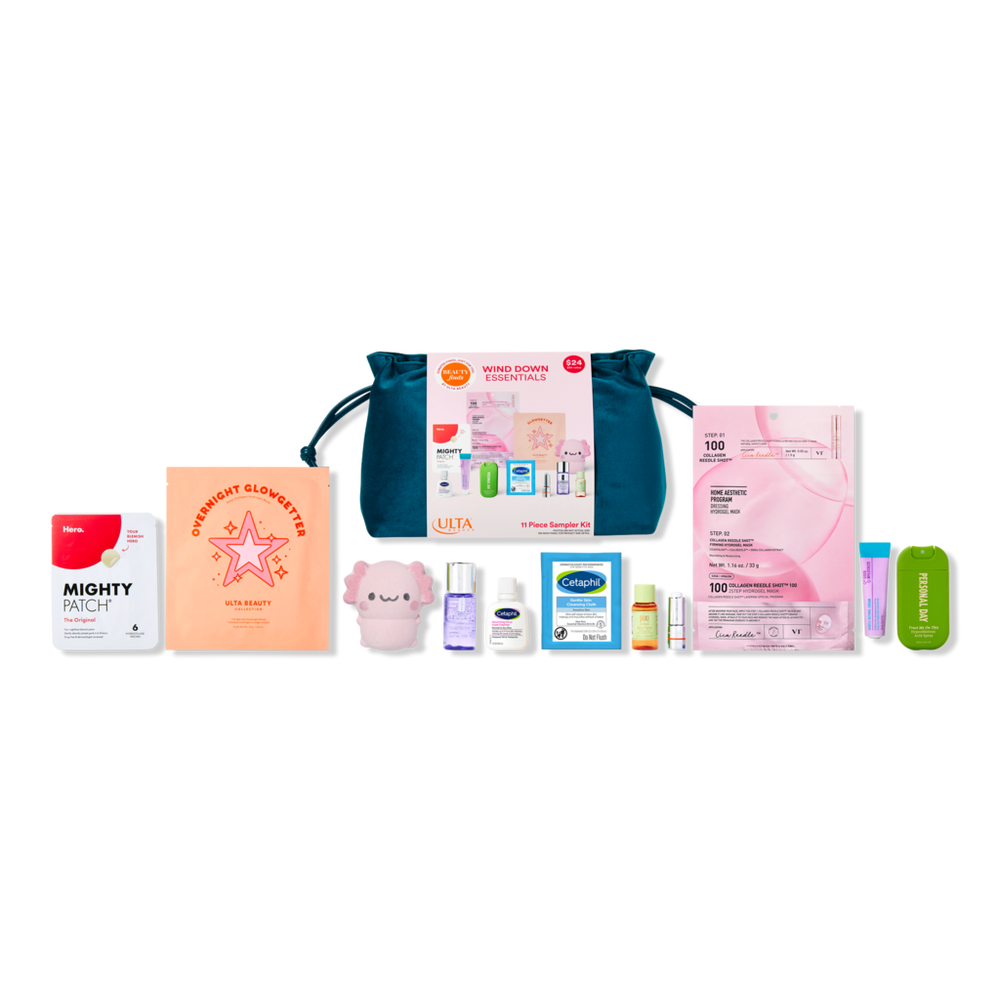
A complete night-in kit: remover, cleanser, toner, masks and a bath bomb. Great for a mom who never takes time for herself.
What’s inside: 11 travel-size and single-use pieces: Clinique Take The Day Off remover, Cetaphil oil-to-foam cleanser, Good Molecules retinol cream, Pixi Glow Tonic, Personal Day hypochlorous spray, Rodan + Fields Pure C serum, Mighty Patch pimple patches, two sheet masks, a cleansing cloth and a bath bomb.
Best for: A self-care night in a box, or a gift for someone who loves sampling.
Retailer product pages checked October 12, 2026. U.S. prices before tax and shipping. No coupons, subscriptions or gift-with-purchase offers are included in the math. This is a curated comparison of published prices and contents.
Teen beauty wish lists in 2026 are all about lip products, blush, pimple patches and gentle skincare. These five Sephora and Ulta gift sets hit every one of those, from $15 stocking stuffers to the lip kit she will show all her friends. Each pick is chosen for being age-appropriate and actually used.
Listed value is the retailer’s own figure for the contents, not a previous sale price.
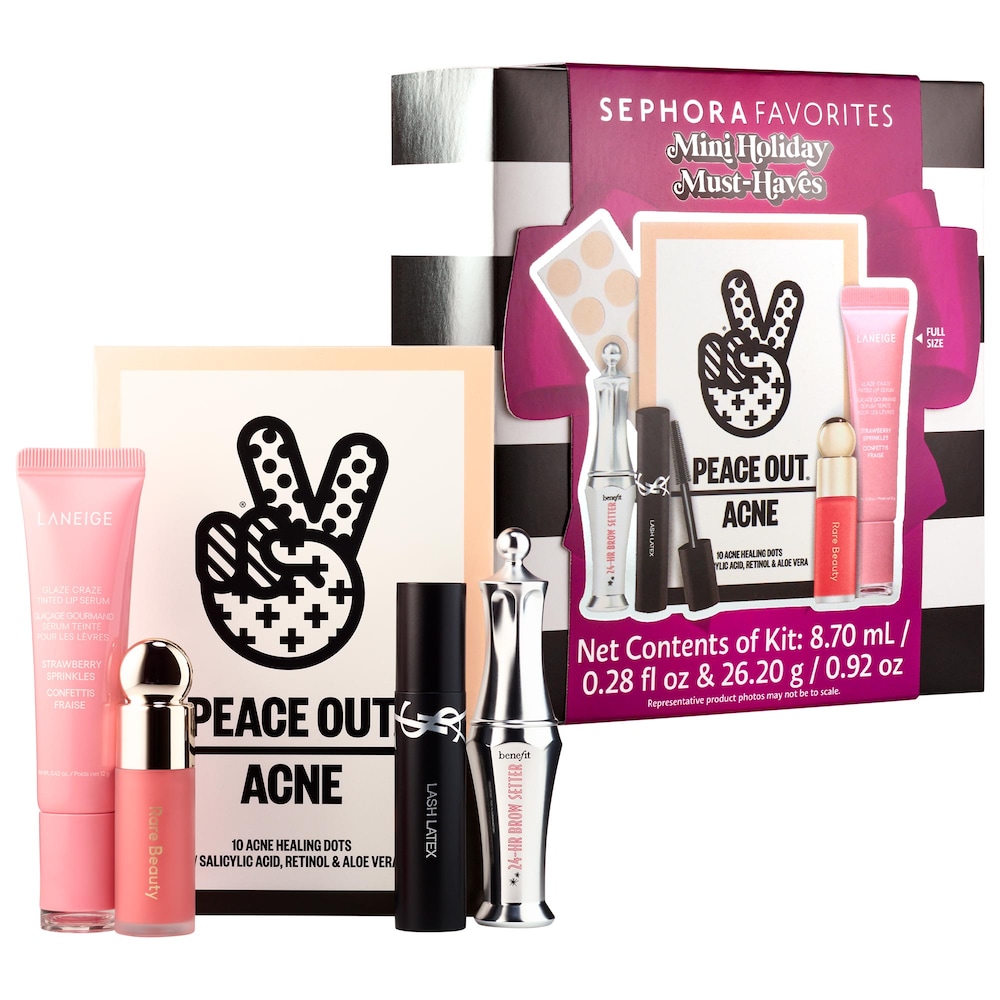
1. Sephora Favorites Holiday Must-Haves Value Set
Best overall · $25 at Sephora · Sephora lists the contents at $72
You save 65% ($47) vs. Sephora’s $72 listed value
Everything in this box is on teen wish lists: the LANEIGE Glaze Craze lip serum (full size), Rare Beauty Soft Pinch blush, YSL mascara, brow gel and pimple dots. At $25, it is the single best teen beauty gift this year.
What’s inside: 5 pieces: a full-size LANEIGE Glaze Craze lip serum (Strawberry Sprinkles), plus minis of Rare Beauty Soft Pinch liquid blush, YSL Lash Latex mascara, Benefit 24-HR Brow Setter and 10 Peace Out pimple dots.
Best for: Stocking stuffers, Secret Santa, teens and coworkers.
Sold out online at Sephora as of November 14, 2026. The button above goes to the in-stock Sephora Favorites Lip Kit Value Set.
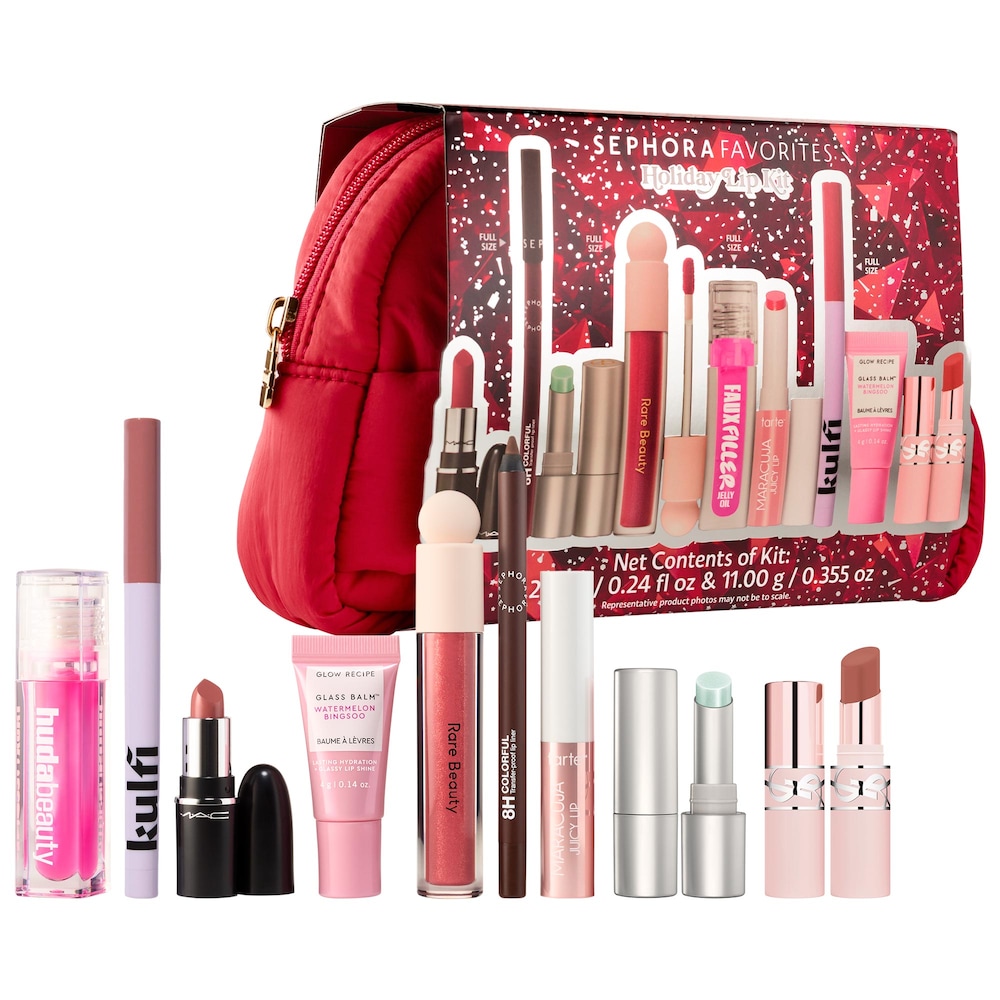
2. Sephora Favorites Lip Kit Value Set
Best big gift · $49 at Sephora · Sephora lists the contents at $145
You save 66% ($96) vs. Sephora’s $145 listed value
Nine lip products, including the Rare Beauty gloss, Glow Recipe Glass Balm and HUDA lip oil. It is the kind of gift that gets opened first and shown to everyone. Bonus: it splits into gifts for sisters or friends.
Best sleepover gift · $24 at Ulta · Ulta lists the contents at $64
You save 63% ($40) vs. Ulta’s $64 listed value
Sheet masks, a bath bomb, pimple patches and a full routine in minis. It is a ready-made sleepover or self-care kit. One note: it includes a retinol cream, so for younger teens, the move is to set that one aside and give the rest.
What’s inside: 11 travel-size and single-use pieces: Clinique Take The Day Off remover, Cetaphil oil-to-foam cleanser, Good Molecules retinol cream, Pixi Glow Tonic, Personal Day hypochlorous spray, Rodan + Fields Pure C serum, Mighty Patch pimple patches, two sheet masks, a cleansing cloth and a bath bomb.
Best for: A self-care night in a box, or a gift for someone who loves sampling.
Dermatologists commonly advise keeping a young teen’s routine simple: cleanser, moisturizer and sunscreen. Strong actives like retinol and exfoliating acids are better left for later unless a doctor suggests them. The lip, blush and gentle serum picks above are the safest bets.
Holiday beauty gift FAQ
What beauty gifts do teen girls want in 2026?
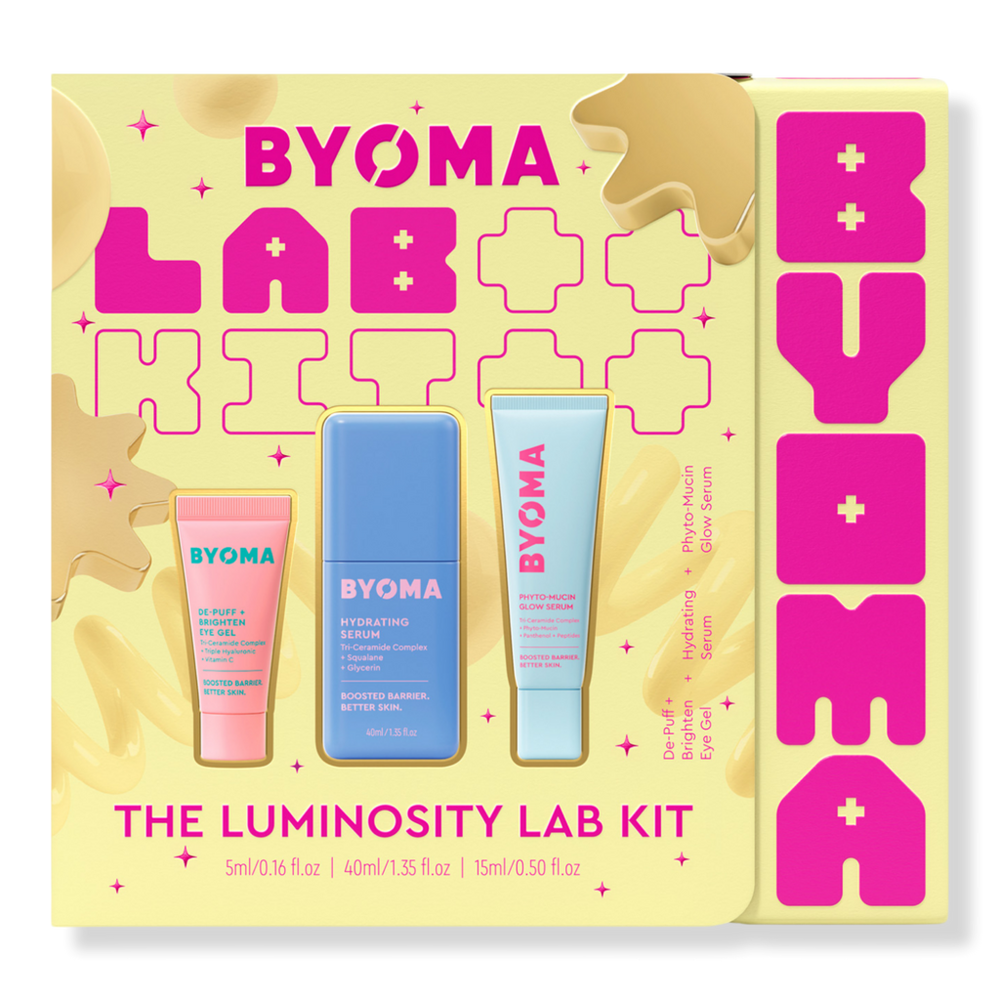
Lip products (lip serums, glosses and lip oils), liquid blush, pimple patches and gentle skincare top teen wish lists in 2026, from brands like LANEIGE, Rare Beauty, Glow Recipe and BYOMA. A gift set covers several at once: the Sephora Favorites Lip Kit Value Set holds nine lip products, and the BYOMA The Luminosity Lab Kit is a gentle skincare starter.
What is a good Sephora gift for a teenager?
The Sephora Favorites Lip Kit Value Set at $49 is the best Sephora gift for a teenager that is still in stock online: nine lip products, four of them full size, including HUDA BEAUTY Faux Filler lip oil and Rare Beauty Positive Light gloss. The Sephora Favorites Holiday Must-Haves Value Set at $25 is also a strong pick, but it was sold out online at Sephora as of October 31, 2026.
What is a cheap beauty gift for a teen?
The BYOMA The Luminosity Lab Kit is $15 at Ulta and holds the BYOMA Hydrating Serum, Phyto-Mucin Glow Serum and De-puff + Brighten Eye Gel. It is gentle and barrier-friendly, which suits a teen just starting a skincare routine. For more small gifts, see the under-$25 guide.
Prices and contents were checked on the retailer sites on October 12, 2026 and can change. The button always shows the current price.
Sources checked on October 31, 2026. Figures from brands are reported as the brand’s own claims.
Retailer product pages checked October 12, 2026. U.S. prices before tax and shipping. No coupons, subscriptions or gift-with-purchase offers are included in the math. This is a curated comparison of published prices and contents.
Prices and contents were checked on the retailer sites on October 12, 2026 and can change. The button always shows the current price.
Quick answer: The best makeup gift set of 2026 is the Makeup Experts Set at Sephora: $85 for about $281 worth of products. For a mascara lover, the Benefit BADgal BANG! Duo at Ulta ($35) is the value pick. The Makeup Experts Set is sold out online at Sephora as of October 31, 2026, so the Sephora Favorites Lip Kit Value Set is the in-stock Sephora pick.
Makeup gift sets come in two flavors: discovery kits full of brands to try, and duos of one favorite product at a lower price per piece. Both can be great gifts. The trick is matching the set to how the person actually wears makeup. Here are the four 2026 makeup sets worth buying, and exactly who each one is for.
Listed value is what the retailer says the contents are worth bought separately. It is not a past sale price. The one true apples-to-apples saving here is the Lancôme duo, where the matching single tube is $30.
The discovery kits
1. Sephora Favorites Makeup Experts Value Set
Best splurge · $85 at Sephora · Sephora lists the contents at $281
You save 70% ($196) vs. Sephora’s $281 listed value
Fourteen pieces from MAKEUP BY MARIO, PATRICK TA, HUDA BEAUTY, NATASHA DENONA, Anastasia Beverly Hills and more. The exclusive NATASHA DENONA Baby Eye Sculpt palette and the full-size primer and setting spray carry the value. The move: give it to the person who watches makeup tutorials for fun.
What’s inside: 14 pieces on the product page, including a Beautyblender, a 30 mL HUDA BEAUTY Easy Blur primer, a NATASHA DENONA Baby Eye Sculpt palette made only for this set, MAKEUP BY MARIO cream shadow, PATRICK TA Double-Take creme and powder, m.ph and Fara Homidi lip pencils, and a full 50 mL Danessa Myricks setting spray.
Best for: The makeup lover who wants to play with a dozen cult brands at once.
Sold out online at Sephora as of November 15, 2026. The button above goes to the in-stock Sephora Favorites Lip Kit Value Set.
2. Sephora Favorites Lip Kit Value Set
Best lip kit · $49 at Sephora · Sephora lists the contents at $145
You save 66% ($96) vs. Sephora’s $145 listed value
Four full sizes, three deluxe sizes and two minis. The Rare Beauty Positive Light gloss and HUDA Faux Filler lip oil are the headliners, and the shades lean wearable pinks and nudes. It is about $5.44 per product, and it splits into several gifts.
Best true saving · $39 at Ulta · Ulta lists the contents at $60
You save 35% ($21) vs. buying two $30 tubes separately
This is the cleanest deal in holiday beauty this year. The single 0.33 oz tube is $30 at Ulta. The duo is two of the same tube for $39. That is $21 less than buying two, or $19.50 a tube.
What’s inside: Two full-size Monsieur Big Volumizing Mascaras, 0.33 oz each. The same tube sells on its own for $30, so this works out to $19.50 per tube.
Best for: Monsieur Big fans, or two gifts for the price of one and a half.
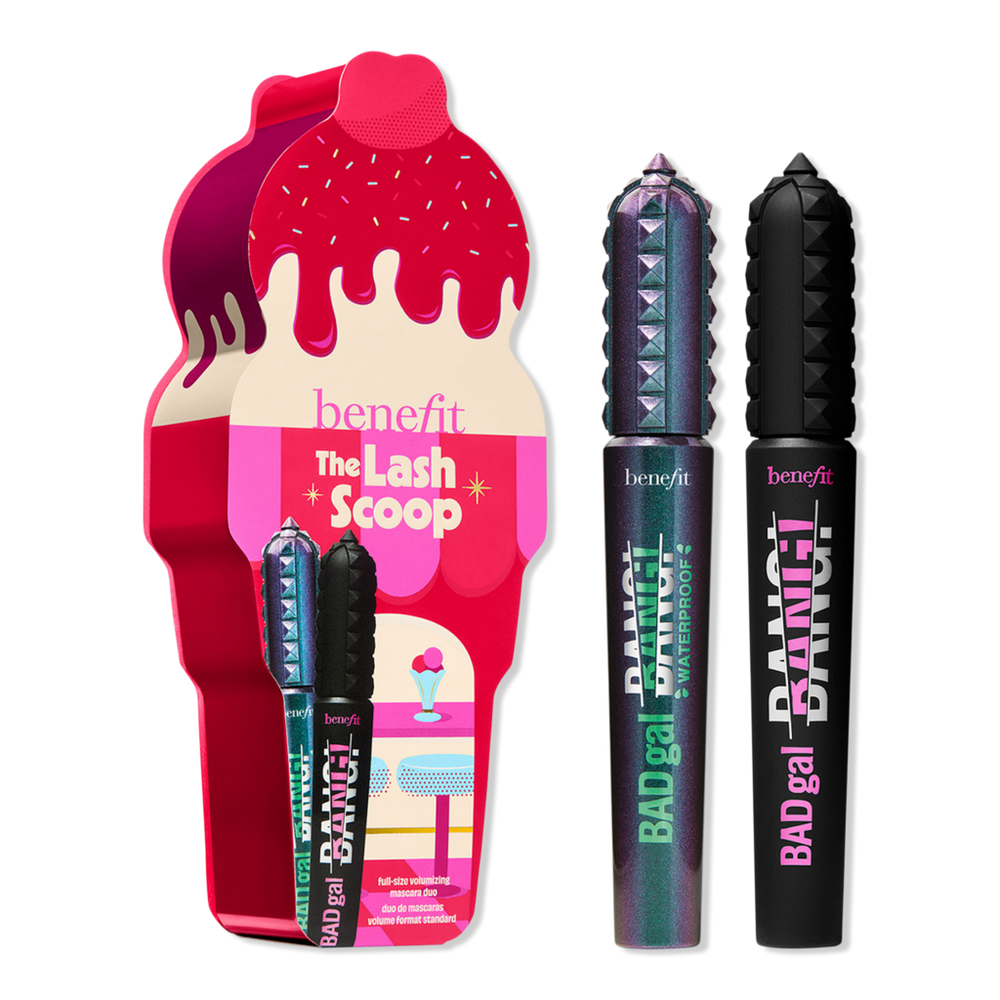
4. Benefit The Lash Scoop BADgal BANG! Mascara Duo
Best for party season · $35 at Ulta · Ulta lists the contents at $58
You save 40% ($23) vs. Ulta’s $58 listed value
One regular and one waterproof BADgal BANG!, both full size. The waterproof tube is made for holiday events, so this is the pick for someone with a busy December.
What’s inside: Two full-size BADgal BANG! volumizing mascaras in Intense Pitch Black: one regular, one waterproof.
Best for: Someone who wants an everyday tube and a waterproof one for holiday parties and happy tears.
Retailer product pages checked October 12, 2026. U.S. prices before tax and shipping. No coupons, subscriptions or gift-with-purchase offers are included in the math. This is a curated comparison of published prices and contents.