Disclosure
This post contains affiliate links, which means I may earn a small commission if you make a purchase through my links, at no extra cost to you.
The short answer
The Michael Todd Sonicsmooth Pro+ is the best at-home dermaplaning tool for most people in 2026: a 2-in-1 sonic device that exfoliates and preps skin for serums. The Dermaflash LUXE+ is the premium pick for its sonic edge and skin-friendly guard, and the StackedSkincare Dermaplaning Tool is the precision pick for anyone who loves a refillable manual.
Shopping Black Friday? The Michael Todd Sonicsmooth Pro+ is up to 40% off right now at Michael Todd Beauty. Check today’s price before you buy.
Some links in this post are affiliate links. If you buy through them I earn a small commission at no extra cost to you. I only recommend products that meet a clear quality bar.
At-home dermaplaning lifts away peach fuzz and dead surface skin for an instantly smoother, glowier finish and flawless makeup application. The three tools below are the ones actually worth your money, and they are not interchangeable. Here is how they compare, and which one belongs in your routine.
Best overall
Dermaflash LUXE+
Sonic electric · Best for most people and anti-aging
The blade cost is where these actually separate. Run weekly, the Dermaflash costs roughly $377 a year in edges against about $163 for the Sonicsmooth. Full breakdown here: Dermaflash vs Michael Todd, which is worth it.
Premium pick: Dermaflash LUXE+
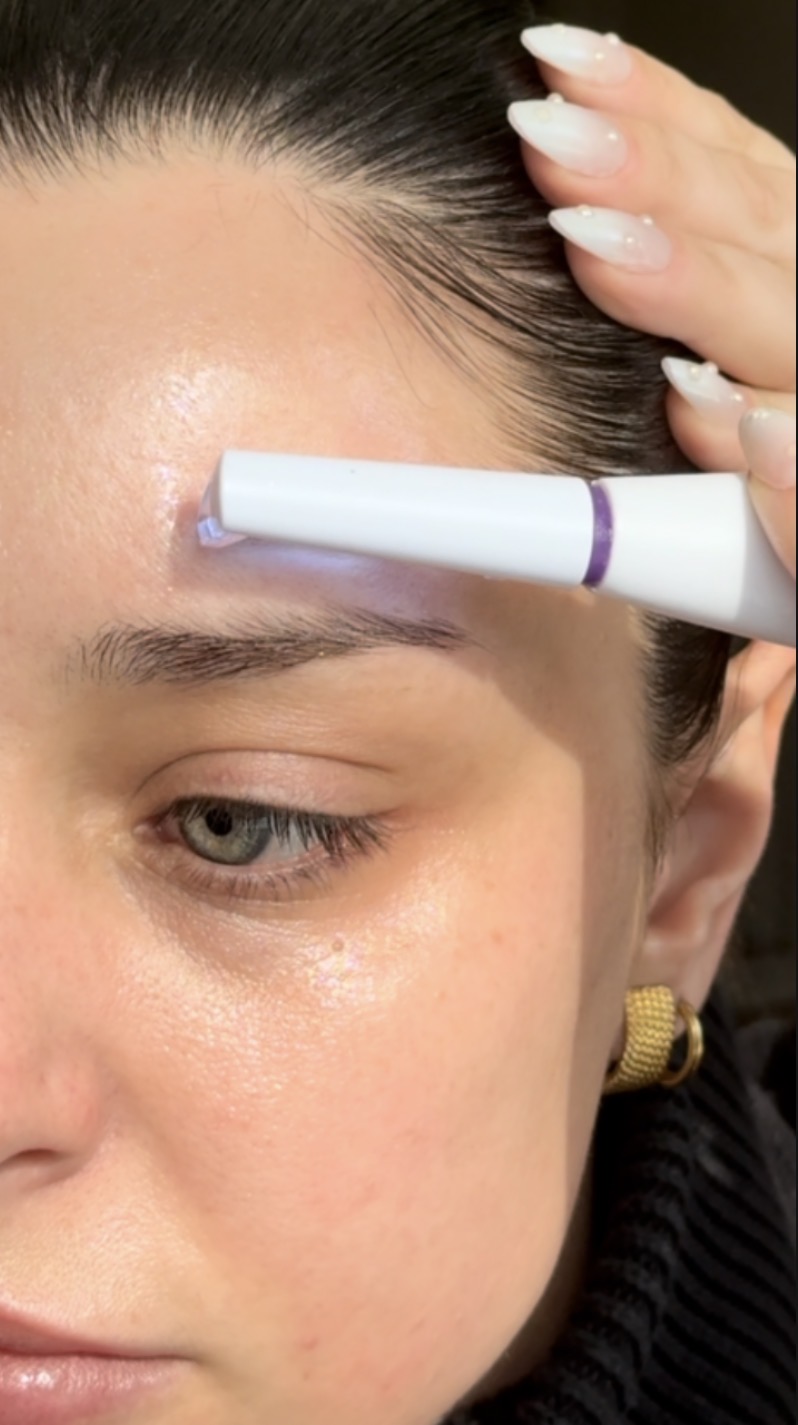
The Luxe+ is the viral category leader and won most head-to-head editorial tests. Its sonic vibration and angled safety guard make it the most forgiving electric tool for beginners while still delivering a close, even exfoliation. Best for anyone prioritizing anti-aging and a near-foolproof experience.
Best for most people: Michael Todd Sonicsmooth Pro+
The Sonicsmooth is a 2-in-1 that both dermaplanes and drives post-treatment product in with sonic infusion. Reviewers note it can need a couple more passes than the Dermaflash, but the lower effective cost and dual function make it the value winner, and it is a reliable everyday performer.
The precision pick: StackedSkincare Dermaplaning Tool
Designed by an aesthetician, the StackedSkincare Dermaplaning Tool is a refillable manual that gives you the most control for targeted areas and a lower cost-per-use over time. Best for anyone who prefers the tactile precision of a hand-held blade.
Also looking at hair removal? Dermaplaning clears peach fuzz for a week or two. For hair that keeps coming back on legs, underarms or the bikini line, at-home IPL is the next step up, and the one to look at is the Nood Flasher Pro, the only at-home IPL device with an energy figure in a public FDA file.
For most people, yes. The Dermaflash LUXE+ pairs a sonic edge with an angled safety guard, which makes it the most beginner-friendly electric dermaplaning tool in this roundup, and it lasts for years with replacement edges. The trade-off is refill cost over time. If you plan to dermaplane often, the Michael Todd Sonicsmooth Pro+ is the better value.
Dermaflash LUXE+ vs Michael Todd Sonicsmooth Pro+: which is better?
The Dermaflash LUXE+ gives a closer pass with less effort, while the Michael Todd Sonicsmooth Pro+ is the better value and adds sonic product infusion for serums. Choose the Dermaflash LUXE+ for ease and a guarded first experience, and the Sonicsmooth Pro+ for value and a two-in-one routine. The Dermaflash vs Michael Todd comparison covers the yearly blade cost.
How often should you dermaplane?
Oily skin can usually be dermaplaned every three to four weeks, dry skin every four to six weeks, and sensitive skin every six to eight weeks. Never go more often than once a week, whichever tool you use. If skin looks red or feels tight after a session, leave a longer gap before the next one and keep up with moisturizer and SPF.
How do you use an at-home dermaplaning tool?
Cleanse, then apply a few drops of face oil so the blade glides, and pin your hair back. Hold the skin taut and use short downward strokes at about a 45 degree angle, wiping the blade between sections. Skip the eyelids, lips and any active breakouts. Finish with a gentle serum, moisturizer and mineral SPF. The how to dermaplane at home guide walks through each step.
Sources
Sources checked on November 3, 2026. Figures from brands are reported as the brand’s own claims.
(function(){
if (!window.matchMedia || !window.matchMedia('(max-width: 781px)').matches) return;
var aff = /go\.shopmy\.us|amzn\.to|amazon\.com\/.*tag=|walmrt\.us|pxf\.io|shareasale|awin1|anrdoezrs|dpbolvw|jdoqocy|tkqlhce|kqzyfj|sjv\.io|linksynergy/i;
var root = document.querySelector('.wp-block-post-content') || document.querySelector('.entry-content');
if (!root) return;
var btns = root.querySelectorAll('a.wp-block-button__link');
var first = null;
for (var i = 0; i < btns.length; i++) { if (aff.test(btns[i].href)) { first = btns[i]; break; } }
if (!first) return;
var name = '';
var p = root.querySelector('p');
if (p) { var l = p.querySelector('a'); if (l && l.href === first.href) name = l.textContent; }
if (!name) name = first.textContent;
var bar = document.createElement('div');
bar.className = 'ak-sticky-buy';
bar.setAttribute('role', 'region');
bar.setAttribute('aria-label', 'Top pick');
var span = document.createElement('span'); span.className = 'ak-sb-name'; span.textContent = 'Top pick: ' + name.trim();
var a = document.createElement('a'); a.href = first.href; a.target = '_blank'; a.rel = 'nofollow sponsored noopener'; a.textContent = 'Shop now';
var x = document.createElement('button'); x.type = 'button'; x.setAttribute('aria-label', 'Close'); x.textContent = '×';
bar.appendChild(span); bar.appendChild(a); bar.appendChild(x);
document.body.appendChild(bar);
var closed = false;
x.addEventListener('click', function(){ closed = true; bar.classList.remove('is-on'); });
function check(){
if (closed) return;
var r = first.getBoundingClientRect();
var footer = document.querySelector('footer');
var nearEnd = footer && footer.getBoundingClientRect().top < window.innerHeight;
if (r.bottom < 0 && !nearEnd) bar.classList.add('is-on'); else bar.classList.remove('is-on');
}
window.addEventListener('scroll', check, { passive: true });
check();
})();
(function () {
var c = document.body.className;
c = c.replace(/woocommerce-no-js/, 'woocommerce-js');
document.body.className = c;
})();


Leave a Reply