Disclosure: this post contains affiliate links. If you buy through them, I may earn a commission at no extra cost to you.
Last updated October 15, 2026 · Steps checked against CapCut’s help center · By Anna Katherine Page
The quick answer
CapCut asks for Pro when your project uses anything marked with a Pro badge or an export setting above the free limit. To export free: find every item with the Pro icon, delete or replace it with a free version, re-pick your cover if it used Pro assets, set export to 1080p, and export again.
Open the timeline and look for the Pro icon. CapCut marks paid effects, filters, transitions, templates, fonts and stickers with a small Pro badge in the corner (CapCut help).
Check every layer. Pro items hide on text tracks, overlays, and audio, not just the main clip.
Delete or swap each one. Tap the item, remove it, and add a free look-alike from the same menu.
Fix your cover. If the cover image used a Pro effect or template, pick or design a new one.
Lower export settings. 4K and some high frame rate options can trigger the upgrade prompt. Choose 1080p and a standard frame rate.
Scan once more, then export. No Pro badges left means no upgrade prompt.
What triggers the CapCut Pro prompt
Trigger
Free fix
Pro effect, filter or transition
Swap for a free one in the same menu
Pro template or sticker
Rebuild with free assets
Pro font or caption style
Pick a free font
Cover made with Pro assets
Re-pick or redesign the cover
4K or high frame rate export
Export at 1080p, 30fps
How to remove the CapCut watermark
The branded outro some versions add sits as its own clip at the end of the timeline. Select it and delete it before exporting. That’s different from the Pro watermark, which only goes away by removing the Pro item or upgrading.
Why designers skip the “free Pro” hacks
Searches for cracked or modded CapCut versions are everywhere. Here’s what to look for instead: those builds come from unofficial sites, can carry malware, and can get your account restricted. Your CapCut account holds your projects and cloud files, so the risk lands on your work, not just the app.
The legitimate ways to pay less: stay on Free and avoid Pro assets, use Standard (about $9.99/month) for watermark-free mobile exports, or choose Pro annual, which works out to about $15 a month. Compare all three in CapCut Free vs Pro (2026).
When upgrading makes more sense
If you’re removing Pro items from every single video, the time adds up. What works here is a simple test: if you hit the same Pro effect, caption style or 4K need three weeks running, the subscription costs less than the workaround. Check CapCut Pro pricing.
FAQ
Why does CapCut say I need Pro to export?
Your project uses at least one Pro-marked item, or your export settings (like 4K) are above the free limit.
How do I remove Pro features in CapCut?
Find each item with the Pro icon on the timeline, delete it or swap it for a free version, then export.
Can I get CapCut Pro for free?
Not permanently. CapCut sometimes runs trials or promotions at checkout; check after signing in.
Does CapCut free have a watermark?
Only when you use Pro items or a template that includes one. Plain free edits export clean.
Disclosure: this post contains affiliate links. If you buy through them, I may earn a commission at no extra cost to you.
Last updated October 15, 2026 · Prices checked on capcut.com · By Anna Katherine Page
The quick answer
Stay on Free if you edit short clips on your phone and don’t mind a 1080p cap. Pick Standard ($9.99/month) if you only edit on mobile and want more storage and basic AI tools. Pick Pro ($19.99/month or $179.99/year) if you edit on a laptop, need auto captions, 4K, or sell content for clients.
Full (auto captions, camera tracking, AI avatars, AI images and video)
Export
Up to 1080p; Pro assets add a watermark
1080p
4K and HDR, no Pro watermark
Plan details come from CapCut’s own comparison; US prices are as listed on capcut.com in October 2026. Prices vary by country and device.
Why your CapCut Pro price might look different
Three reasons the number you see may not match:
Old articles. Pro used to be $9.99. CapCut split the plan into Standard and Pro and raised Pro to $19.99, so older posts are out of date.
App store markup. Buying inside the iPhone or Android app can cost more than buying on capcut.com.
Region. CapCut prices by country, so the checkout page after you sign in is the real number.
The annual plan works out to about $15 a month, which is the better deal if you edit every week.
Who each plan is for
Free works for: casual edits, family videos, trying CapCut out. What to look for: the Pro badge on effects and templates. Use one and your export gets watermarked or blocked.
Standard works for: phone-only creators who want watermark-free exports and more storage but don’t need 4K.
Pro works for: anyone editing on a laptop, posting several videos a week, using auto captions, doing client or business work, or pairing CapCut with an AI workflow like editing with Claude.
Is CapCut Pro worth it?
Pro is worth it when your time costs more than $15 to $20 a month. If captions, background removal, or the watermark cost you an hour a week, Pro pays for itself fast. If you post once a month from your phone, Free is plenty.
The move is to start Free, notice which Pro badges you keep hitting, and upgrade when it’s the same ones every week. See current CapCut Pro pricing.
$19.99 a month or $179.99 a year in the US on capcut.com. Prices vary by region and can be higher through app stores.
What’s the difference between CapCut Standard and Pro?
Standard is mobile-focused with 100GB of storage and basic AI tools. Pro adds desktop and web editing, 1TB of storage, 4K export, and the full AI toolset including auto captions.
Is there a CapCut Pro lifetime plan?
No. Pro is monthly or yearly only.
Does CapCut Pro work on phone and computer?
Yes. One Pro subscription covers mobile, desktop and web.
Is CapCut Free still good?
Yes for short, simple edits. The limits are the 1080p cap, watermarks on Pro assets, and fewer AI tools.
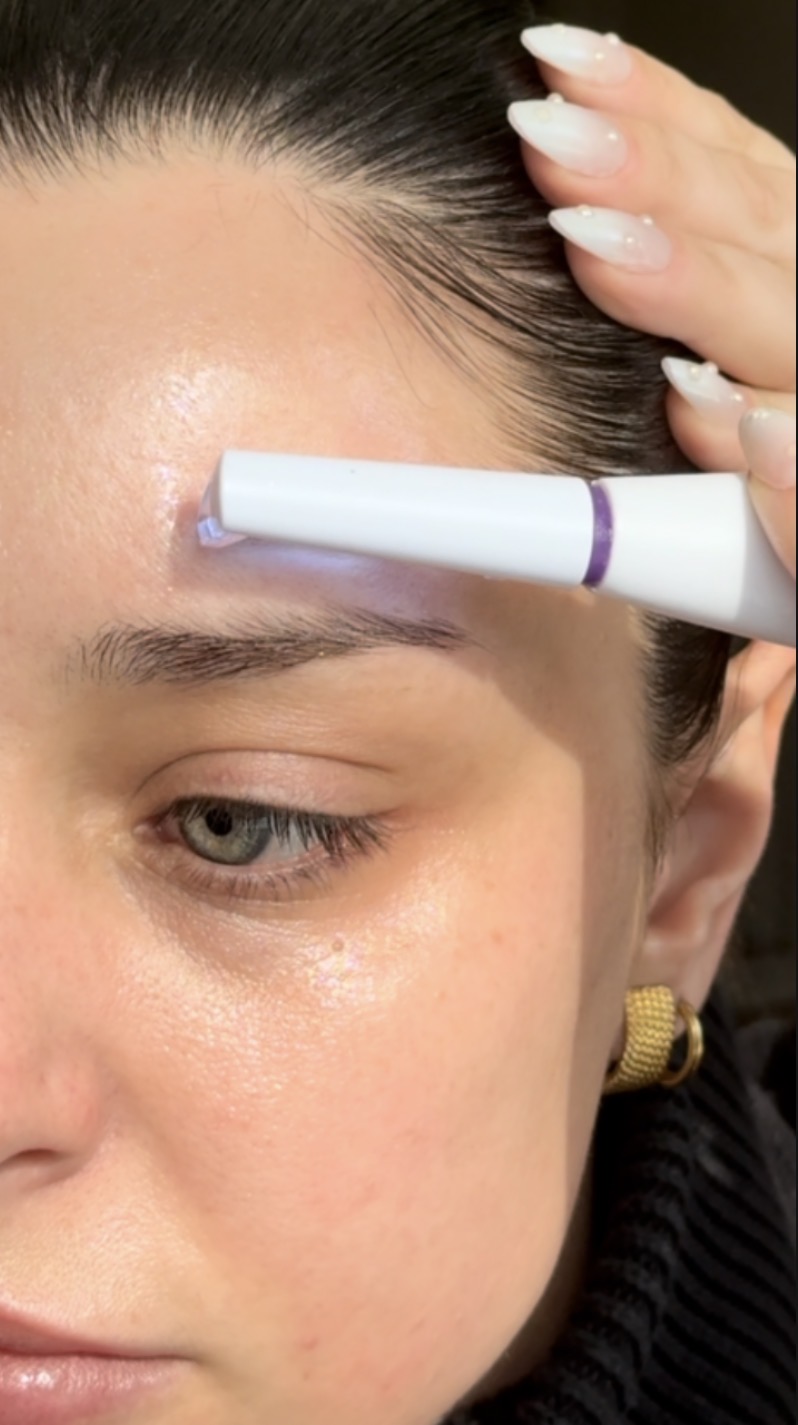
Here is how to use the Michael Todd microdermabrasion tip: swap the dermaplaning blade on your Sonicsmooth for a Microsmooth diamond tip, cleanse and dry your face, pick a speed, hold the tip at a 45 degree angle starting near the hairline, and make short strokes that follow the contours of your face, one to three passes per area. Michael Todd Beauty recommends it once a week, as an in-between step a few days after your weekly dermaplaning session, not on the same day. If you want microdermabrasion with suction and pore extraction instead of a tip on your dermaplaning tool, that is a different device, the Sonic Refresher, covered further down.
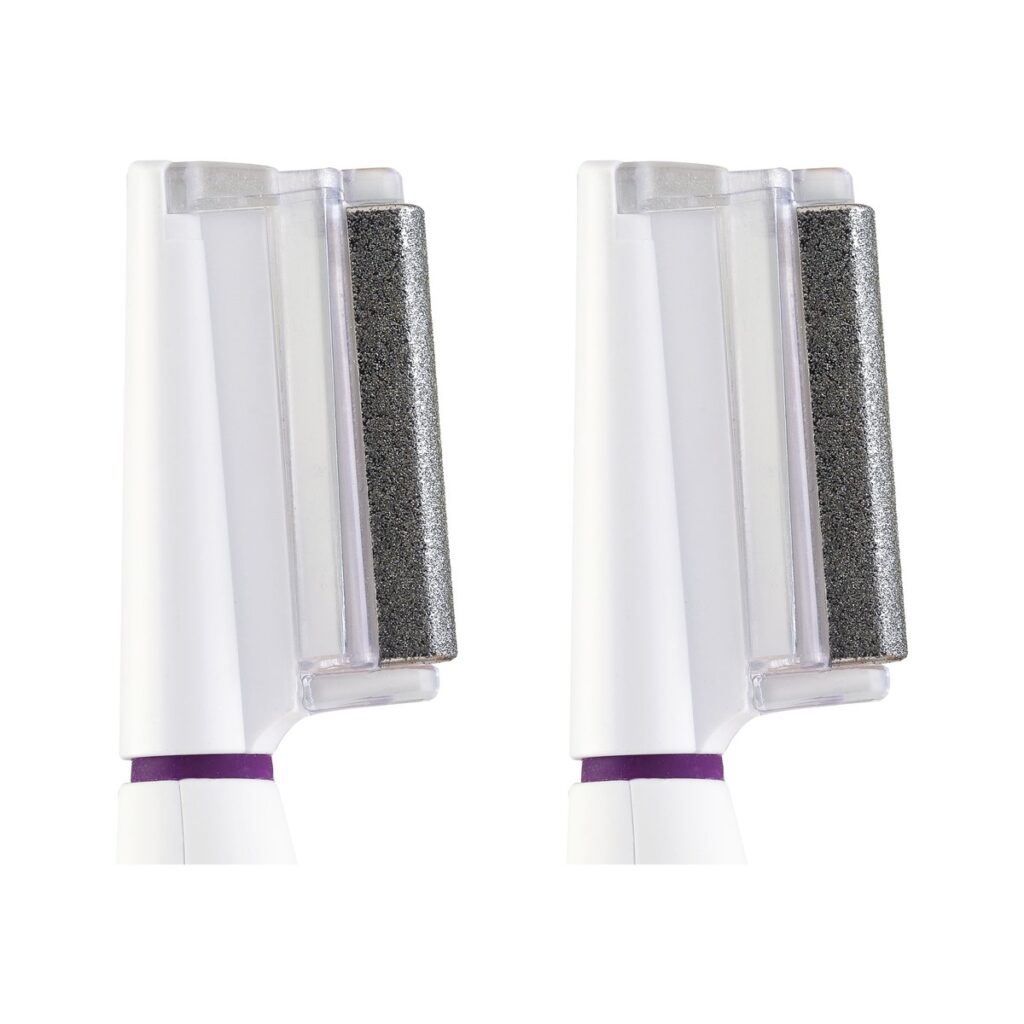
What it is: Microsmooth is a diamond microdermabrasion tip that attaches to the Sonicsmooth in place of the blade. It buffs away dead skin with fine diamond particles and uses sonic vibration rather than suction.
Where to get it: two Microsmooth tips come in the box with the Sonicsmooth Pro+, and replacement two-packs are sold separately.
How often: once a week, as the brand puts it, an intermediate treatment between weekly Sonicsmooth sessions.
How: clean, dry skin, 45 degree angle, short strokes along the contours, one to three passes per area, then serum or moisturizer.
Not the same as the Sonic Refresher: that is Michael Todd’s standalone wet/dry microdermabrasion system with suction pore extraction and a mist. Different device, different steps.
Which Michael Todd microdermabrasion do you have?
Searches for “Michael Todd microdermabrasion” can mean either of two products, and the instructions are not interchangeable. Check this first.
Microsmooth tip
Sonic Refresher
What it is
A diamond microdermabrasion tip for the Sonicsmooth dermaplaning device
A standalone wet/dry sonic microdermabrasion and pore extraction system
How it exfoliates
Laser-cut diamond bits with sonic vibration, no suction
Diamond heads plus vacuum suction
Heads
One tip that swaps in for the blade, sold in two-packs
Coarse, fine and small fine diamond heads, plus three pore extraction heads
Extras
None, it rides on the Sonicsmooth
Nano mist for water or toner, 40 disposable filters, charging cradle
Speeds
The Sonicsmooth’s 3 speeds
Multiple speeds shown on an LCD
Brand’s frequency
Once a week, between weekly dermaplaning sessions
Once a week
Where it sells
In the Sonicsmooth Pro+ box, and as a two-pack on Amazon
Michael Todd Beauty’s own site
Best for
Anyone who already dermaplanes with a Sonicsmooth
Anyone who wants pore extraction and does not dermaplane
If you already own a Sonicsmooth Pro+, look in the box before you buy anything. The two Microsmooth tips are the small diamond-coated heads packed alongside the 16 dermaplaning blades.
The Microsmooth tips: diamond-coated heads that go on the Sonicsmooth in place of the blade. Image: Michael Todd Beauty.
How to use the Microsmooth microdermabrasion tip, step by step
Swap the blade for the tip. Remove the dermaplaning blade from the Sonicsmooth and attach a Microsmooth tip in its place. Make sure it is firmly seated before you turn the device on.
Cleanse with an oil-free cleanser. Rinse well and pat your face completely dry. The tip works on bare, dry skin, so skip oils and serums until the end.
Pick a speed. The Sonicsmooth has three. Start on the lowest setting the first few times and move up only if your skin is comfortable.
Hold the tip at a 45 degree angle. Start near the hairline and work down the face in sections.
Use short strokes that follow your contours. Forehead, cheeks, along the jaw and chin. Keep the tip moving and let it glide rather than pressing it in.
One to three passes per area. That is the brand’s range. One pass is plenty for a first session.
Follow with serum or moisturizer. Freshly exfoliated skin is the point where your skincare goes on most evenly. The Pro+ listing also advises holding off on makeup right after using the device.
Clean the tip. Take it off the device, rinse it under warm water, and let it air dry before you put it away.
The blade and the diamond tip do different jobs. The blade shaves off peach fuzz and the top layer of dead skin. The Microsmooth tip only buffs. Michael Todd Beauty positions Microsmooth as the step in between weekly Sonicsmooth sessions, and its how-to page suggests using the Microsmooth tips two to three days after you dermaplane. Its support article puts the Microsmooth frequency at once a week.
A simple rhythm that follows the brand’s guidance:
Do not stack both on the same day. Two exfoliating steps back to back is the fastest way to end up red and tight. If your skin still feels sensitive from dermaplaning, skip the Microsmooth that week.
The video below walks through the Sonicsmooth Pro+ dermaplaning routine that the Microsmooth step builds on.
At Home Dermaplane Tutorial Using Michael Todd Beauty Sonicsmooth Pro+
Who should go slow or skip it
Sensitive skin: the brand says Microsmooth suits all skin types, including sensitive skin, and that the speed setting lets you adjust the intensity. The move is the lowest speed and a single pass.
Irritated, broken or sunburned skin, or an active breakout: work around those areas or wait until they settle.
A skin condition or prescription skincare: check with a dermatologist before adding any exfoliating tool. Michael Todd’s own Sonic Refresher guide says the same for anyone under a doctor’s care for a skin condition or with very sensitive skin.
How to use the Michael Todd Sonic Refresher instead
If the device in your hands has a mist reservoir and suction heads, it is the Sonic Refresher. The quick start guide lays out a five-step routine, each step using the same glide technique.
Prep: charge it fully before the first use, test on a small area, cleanse and pat dry, and put a new disposable filter under the head.
Renew, coarse tip: short upward and outward strokes on the face. Keep it away from the thin skin around the eyes and lips.
Reset, small tip: the tight spots, around the nose, mouth lines, crow’s feet, between the brows and the forehead.
Refine, fine tip: a final polish before skincare or makeup.
Remove, pore extraction tip: suction lifts out congestion. Keep it moving the whole time.
Rehydrate: fill the reservoir with water or toner and mist. No oil-based products in the mister.
Technique for every step: work in one to two inch sections, hold the skin taut with your free hand, start on low speed, and begin with two to four passes, moving up to four to six once your skin is used to it. Never hold it still on one spot. The brand’s support article puts the Sonic Refresher at once a week. The guide also notes the device contains magnets, so keep it away from pacemakers and other implanted devices.
The Sonic Refresher does not show up on Amazon. It sells on Michael Todd Beauty’s site, with a 30-day money-back guarantee and a 3-year warranty listed on the page.
Which one to buy
You want dermaplaning and microdermabrasion in one tool: the Sonicsmooth Pro+. The two Microsmooth tips are already in the box. See the Sonicsmooth Pro+ on Amazon.
How do you use the Michael Todd microdermabrasion tip?
Swap the blade on your Sonicsmooth for a Microsmooth tip, cleanse with an oil-free cleanser and pat dry, choose a speed, then hold the tip at a 45 degree angle starting near the hairline and make short strokes along the contours of your face, one to three passes per area. Finish with serum or moisturizer.
How often can you use Michael Todd microdermabrasion?
Michael Todd Beauty recommends once a week for both the Microsmooth tip and the Sonic Refresher. For Microsmooth, the brand places it between weekly dermaplaning sessions, a few days after you use the blade.
Can you dermaplane and use the Microsmooth tip on the same day?
The brand frames Microsmooth as an in-between treatment, and its how-to page suggests the tips two to three days after dermaplaning. Spacing them out keeps you from exfoliating twice in one session.
Does the Sonicsmooth Pro+ come with microdermabrasion tips?
Yes. The Pro+ listing includes 16 dermaplaning blades and 2 Microsmooth exfoliation tips. Replacement Microsmooth tips are sold in two-packs.
Is Michael Todd microdermabrasion safe for sensitive skin?
The brand says both Microsmooth and the Sonic Refresher suit all skin types, including sensitive skin, with speed settings to adjust intensity. Start on the lowest speed with a single pass. If you have a skin condition or very sensitive skin, check with a dermatologist first.
How do you clean the Microsmooth tip?
Remove it from the device, rinse it under warm water after every use, and let it air dry.
To price cut flowers, find your cost per stem first (that is your floor), then charge what the stem is worth on the market, not what it cost you to grow. For a benchmark, the USDA’s Boston wholesale report for September 30, 2025 listed zinnias at $15 to $18 for a 10-stem bunch and large dahlias at $20 for 5 stems, which works out to about $1.50 to $1.80 and $4.00 per stem (USDA AMS, Ornamental Wholesale Market Report, Boston).
From there, the price depends on where the stems are going: a florist, a market bunch, a designed bouquet, or a wedding. I’m a year-one flower farmer gardening in Seneca, South Carolina (Zone 7b), and I built the Flower Farm Pricing Toolkit ($27) to run this math for every channel at once. Below is the same method written out so you can do it by hand.
The formula in four steps
Floor: cost per stem = total cost to grow the crop ÷ (plants × sellable stems per plant). Never sell below this.
Stem value: what the stem sells for wholesale. Use your local wholesale house, florist price lists, or the USDA Boston report.
Channel: sell to florists near wholesale, sell straight bunches at about stem value, and multiply stem value for designed work (2 to 3 times for market bouquets, 4 to 5 times plus a design fee for weddings).
Labor: add your time for arranging, wrapping and selling on top of the stems.
Price per stem: a quick reference
These are the stem tiers I use in my bouquet pricing formula, next to what the USDA’s Boston wholesale report showed for the same kind of flower. Your local market will differ, so treat these as a starting point.
Mexican sunflowers in bloom. Price each stem by what it sells for, not what it cost to grow.
Step 1: find your floor (cost per stem)
Add up everything the crop cost you: seed or tubers, soil amendments, netting, water, and your share of tools and supplies. Divide by the number of stems you can actually sell. That number is your floor. It is not your price.
Raised cut flower beds with zinnias in bloom.
If you want to check your own numbers, my free Flower Pricing Reality Check has a cost-per-stem calculator built in, plus a five-sign self-check for underpricing.
Why cost alone underprices you
Say a zinnia bed cost $120 to grow, with 100 plants giving 25 sellable stems each. That is 2,500 stems at about $0.05 each. A 10-stem bunch cost you about $0.50 to grow, while the Boston wholesale report had a 10-stem zinnia bunch at $15 to $18. If you price from cost, you leave almost all of that on the table.
When the floor is high
Some crops cost real money per stem. Utah State University Extension’s peony budget for one high tunnel totals $1,770.64 in costs for 640 harvested stems, which is about $2.77 per stem, and it assumes a sale price of $5.00 per marketable stem (USU Extension, Peony Cut Flower Production Budget, 2021). For crops like this, the floor matters, and selling a hero stem at a mid-range price loses money.
Step 2: price per bunch
Most cut flowers are sold in 10-stem bunches. Mississippi State University Extension notes that sunflowers usually go in 5-stem bundles, dahlias by the single stem, and zinnias in bunches of 10 or 25 (MSU Extension, Do You Want to Grow and Sell Flowers?, 2025).
Bunch price = stems in the bunch × stem value. A straight bunch takes little design time, so it sits close to stem value. A single-variety market bunch sits in the $12 to $18 range in the cheat sheet in my bouquet pricing post; use your own local market to place yourself inside or above that.
Step 3: price by sales channel
Channel
How to set the price
Florists and wholesale
At or a little above the average wholesale price for that stem
Market straight bunches
Stems × stem value
Market mixed bouquets
(Stem value × 2 to 3) + labor
Weddings and events
(Stem value × 4 to 5) + labor + design fee
For florists, grower Gretel Adams wrote in Growing for Market that her farm started from what florists pay wholesale and tried to price “a little above” the average wholesaler (Growing for Market, Guidelines for setting flower prices).
Doing this by hand for every variety and every channel gets slow. The Flower Farm Pricing Toolkit is one spreadsheet with a true cost-per-stem calculator, a bouquet builder, wedding quotes, a bloom bar calculator, and a 35-variety cost and yield reference, so you enter your numbers once.
Step 4: add your labor
Harvesting, conditioning, arranging, wrapping and selling all take time. Pick an hourly rate, time yourself on one bouquet, and add that cost on top of the stems. If you grew the flowers yourself, still count it; otherwise your price only covers the plants.
Worked example: a 10-stem zinnia bunch
Floor: 10 stems × $0.05 = $0.50 (from the zinnia bed above).
Stem value: Boston wholesale had 10 zinnias at $15 to $18.
To a florist: about $15 to $18, at or a little above your local wholesale price.
At market as a straight bunch: inside the $12 to $18 range, set by what your local market will bear.
The cost check tells you that you are safe. The market check tells you what to charge. If you are curious what these prices add up to over a season, see How Much Can You Make Selling Flowers?
Frequently asked questions
How do florists price their flowers?
Florists usually start from what they pay wholesale. Mississippi State University Extension suggests growers compare wholesale florists’ price lists and check the USDA Ornamental Wholesale Market Report for Boston. If you sell to florists, price at or a little above the average wholesale price for that stem.
How much should I charge for a bouquet of flowers?
The cheat sheet in my bouquet pricing post puts a mixed market bouquet at $25 to $45 and a premium designer bouquet at $50 to $85. Build yours with (stem value × 3) + labor, then check it against what sells at your local market.
How many stems are in a $20 bouquet?
There is no standard count. Work backwards: subtract your labor and wrap, divide by your markup, and fill what is left with stems at their value. Hero stems use up the budget fastest, so a $20 bouquet leans on mid-range flowers and filler.
What is the 3-5-8 rule for florists?
It is an arranging guideline, not a pricing rule. Florists quoted by Livingetc describe grouping stems in odd numbers of 3, 5 or 8 for a more natural look. To price an arrangement built that way, count the stems in each tier and use the formula above.
Should I price cut flowers per stem or per bunch?
Both. Know your price per stem, then sell in the units your buyers expect. Mississippi State University Extension notes that most flowers sell in 10-stem bunches, sunflowers in 5-stem bundles, and dahlias by the stem.
Want every price worked out for you? The Flower Farm Pricing Toolkit is a one-time $27 download that works in Excel and Google Sheets. Enter your costs once and it gives you a price for bunches, bouquets, weddings and bloom bars. It does not promise income; it helps you set prices that cover your costs and your time.
Prices and contents were checked on the retailer sites on October 12, 2026 and can change. The button always shows the current price.
Quick answer: The top beauty gift set for moms this year is the Clinique Moisture Surge Set at Ulta: $23 for about $41 worth of products. To splurge, the Makeup Experts Set at Sephora ($85) has the biggest value of any set in this guide.
The best beauty gift for mom is one she will actually use every day, not one that sits in a drawer. These five 2026 gift sets from Ulta and Sephora are built around products with loyal followings: Clinique Moisture Surge, Lancôme mascara, salon-size Biolage and more. There’s a pick for every kind of mom and every budget.
Listed value is what the retailer says the contents are worth bought separately. It is not a past sale price. The one true apples-to-apples saving here is the Lancôme duo, where the matching single tube is $30.
1. Clinique Bright Eyes, Glowing Skin Gift Set
Best skincare gift · $23 at Ulta · Ulta lists the contents at $41
You save 44% ($18) vs. Ulta’s $41 listed value
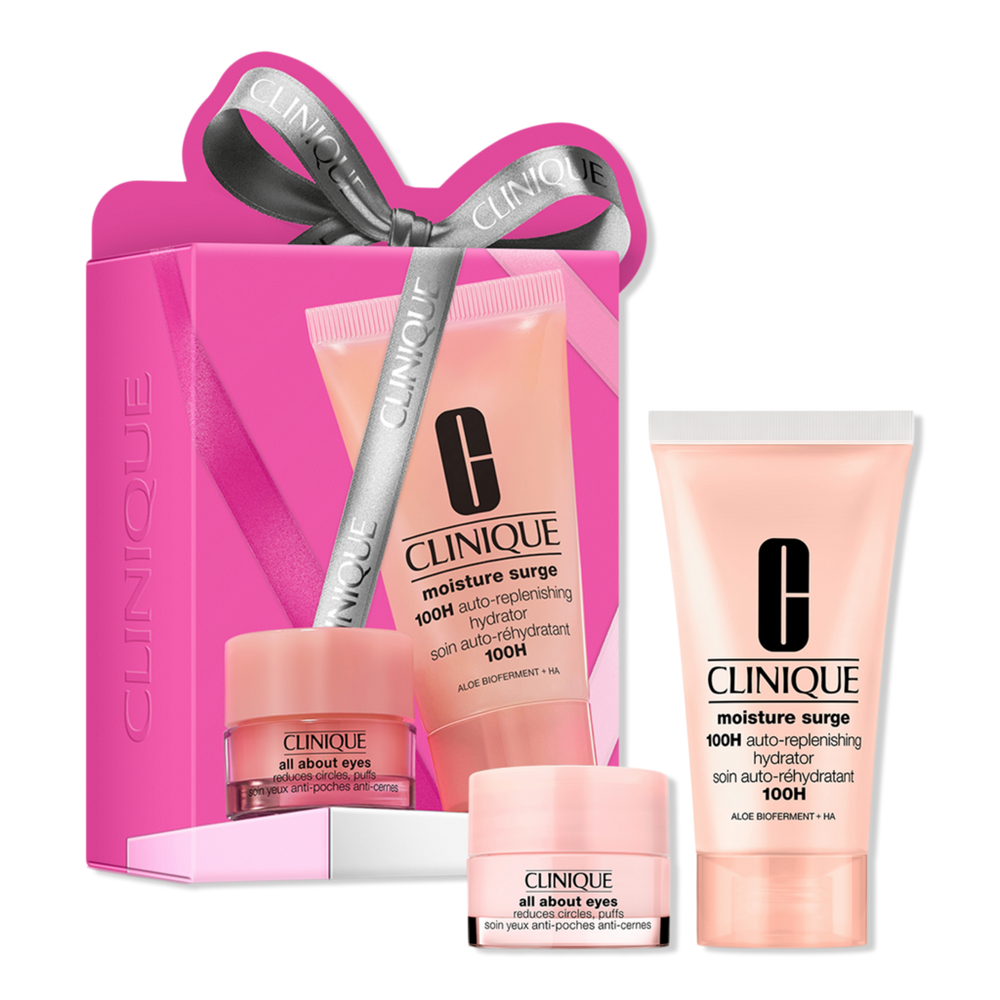
Moisture Surge plus All About Eyes for $23. Two Clinique staples moms tend to repurchase, in sizes that fit a travel bag. Pair it with a robe or candle for a bigger gift.
What’s inside: Travel-size Moisture Surge 100H Auto-Replenishing Hydrator (1 oz) and travel-size All About Eyes eye cream (0.17 oz).
Best for: Moms, mothers-in-law and anyone loyal to Clinique.
Best true saving · $39 at Ulta · Ulta lists the contents at $60
You save 35% ($21) vs. buying two $30 tubes separately
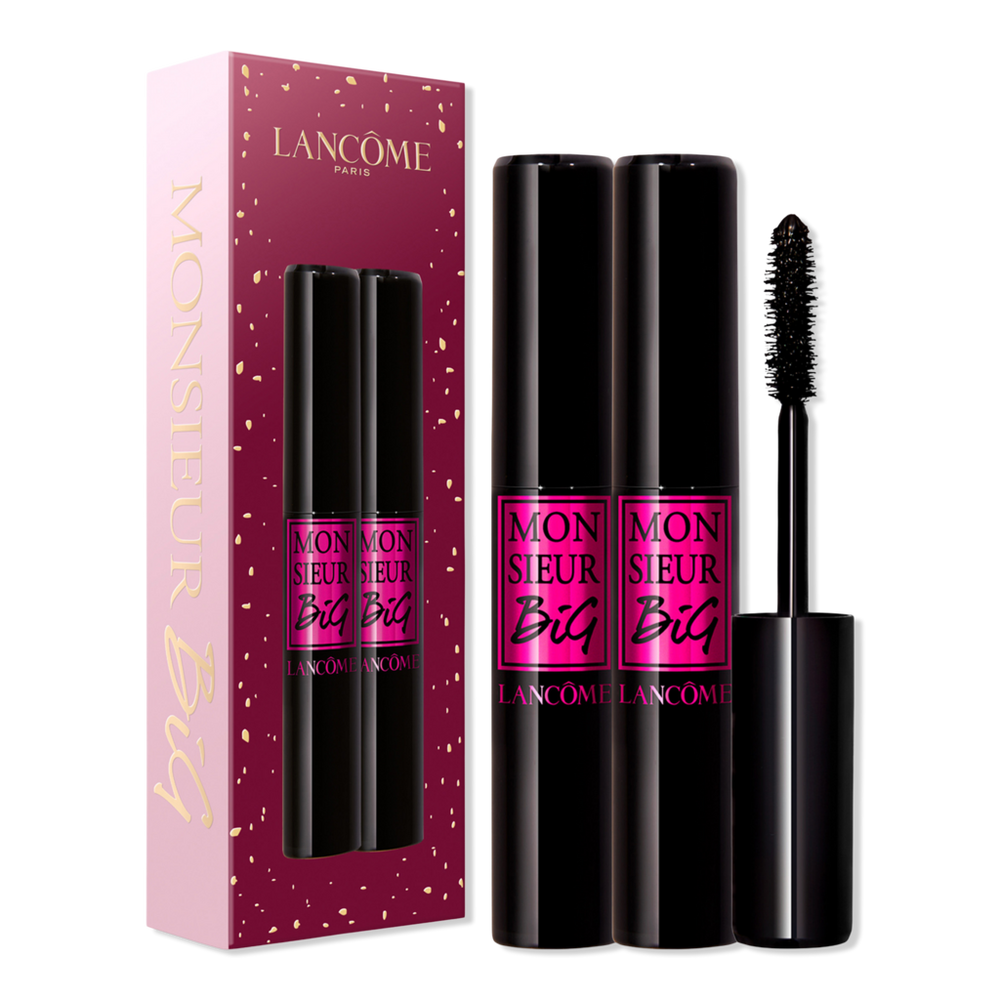
If she wears Lancôme, this is the smartest buy on the list: two full-size Monsieur Big tubes for $39, when one is $30 on its own.
What’s inside: Two full-size Monsieur Big Volumizing Mascaras, 0.33 oz each. The same tube sells on its own for $30, so this works out to $19.50 per tube.
Best for: Monsieur Big fans, or two gifts for the price of one and a half.
Best practical gift · $37 at Ulta · Ulta lists the contents at $70
You save 47% ($33) vs. Ulta’s $70 listed value
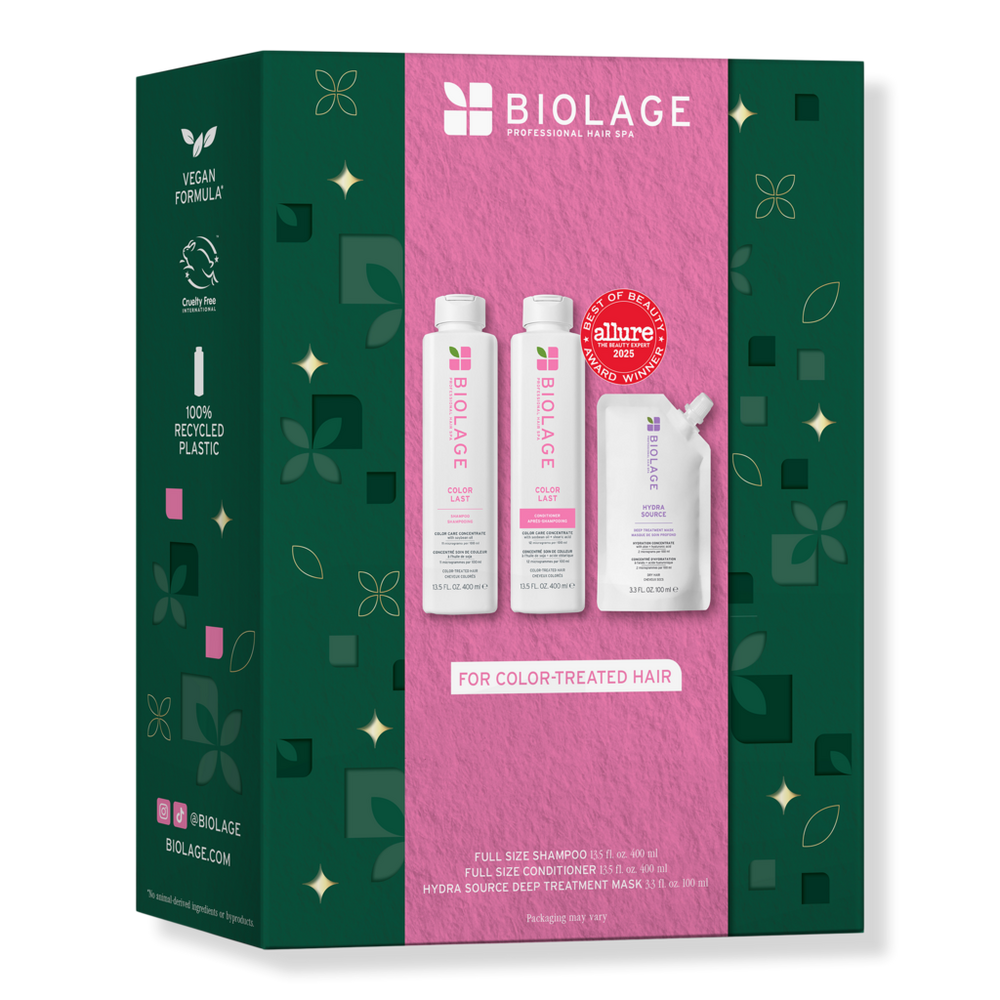
Two 13.5 oz salon bottles and a mask for $37. For a mom who colors her hair, this keeps the color fresh and lasts for months.
What’s inside: Color Last Shampoo (13.5 oz), Color Last Conditioner (13.5 oz) and Hydra Source Deep Treatment Mask (3.3 oz). Big salon bottles, not travel sizes.
Best for: Anyone who colors their hair (protect the color they paid for).
Best for the makeup-lover mom · $85 at Sephora · Sephora lists the contents at $281
You save 70% ($196) vs. Sephora’s $281 listed value
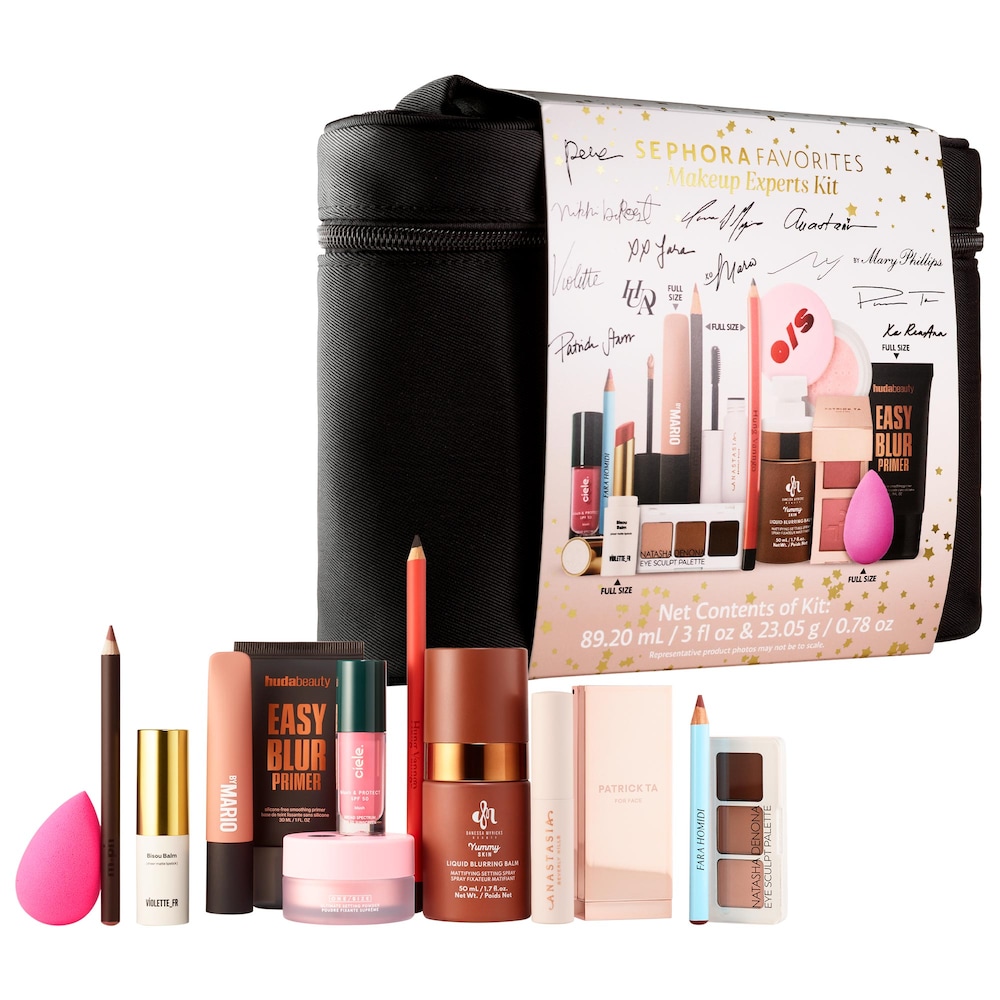
For the mom who loves trying new things: 14 pieces from brands like MAKEUP BY MARIO, PATRICK TA and HUDA BEAUTY, including a full-size primer and setting spray.
What’s inside: 14 pieces on the product page, including a Beautyblender, a 30 mL HUDA BEAUTY Easy Blur primer, a NATASHA DENONA Baby Eye Sculpt palette made only for this set, MAKEUP BY MARIO cream shadow, PATRICK TA Double-Take creme and powder, m.ph and Fara Homidi lip pencils, and a full 50 mL Danessa Myricks setting spray.
Best for: The makeup lover who wants to play with a dozen cult brands at once.
Best pampering gift · $24 at Ulta · Ulta lists the contents at $64
You save 63% ($40) vs. Ulta’s $64 listed value
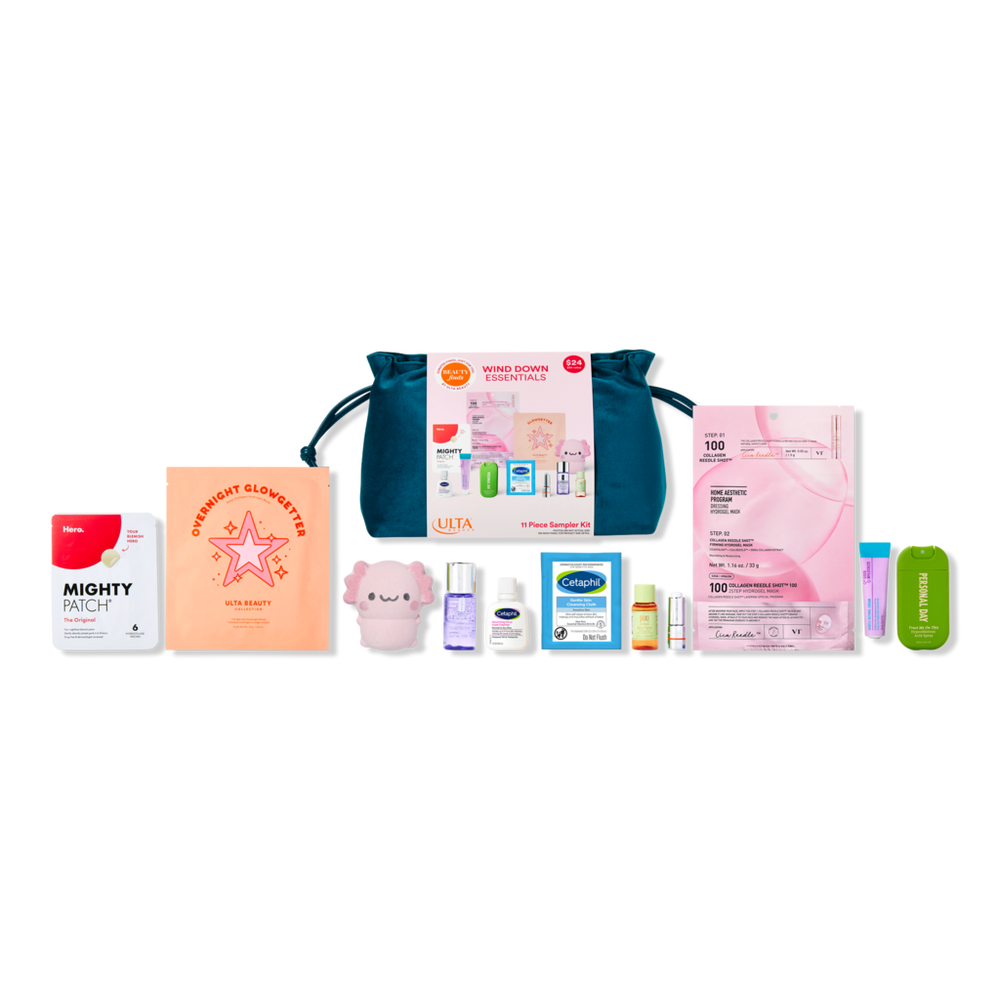
A complete night-in kit: remover, cleanser, toner, masks and a bath bomb. Great for a mom who never takes time for herself.
What’s inside: 11 travel-size and single-use pieces: Clinique Take The Day Off remover, Cetaphil oil-to-foam cleanser, Good Molecules retinol cream, Pixi Glow Tonic, Personal Day hypochlorous spray, Rodan + Fields Pure C serum, Mighty Patch pimple patches, two sheet masks, a cleansing cloth and a bath bomb.
Best for: A self-care night in a box, or a gift for someone who loves sampling.
Retailer product pages checked October 12, 2026. U.S. prices before tax and shipping. No coupons, subscriptions or gift-with-purchase offers are included in the math. This is a curated comparison of published prices and contents.
Prices and contents were checked on the retailer sites on October 12, 2026 and can change. The button always shows the current price.
Quick answer: The best beauty gift for a teen girl this year is the Holiday Must-Haves set at Sephora: $25 for about $72 worth of products. With a bigger budget, the Sephora Lip Kit ($49) packs the most value.
Teen beauty wish lists in 2026 are all about lip products, blush, pimple patches and gentle skincare. These five Sephora and Ulta gift sets hit every one of those, from $15 stocking stuffers to the lip kit she will show all her friends. Each pick is chosen for being age-appropriate and actually used.
Listed value is the retailer’s own figure for the contents, not a previous sale price.
1. Sephora Favorites Holiday Must-Haves Value Set
Best overall · $25 at Sephora · Sephora lists the contents at $72
You save 65% ($47) vs. Sephora’s $72 listed value
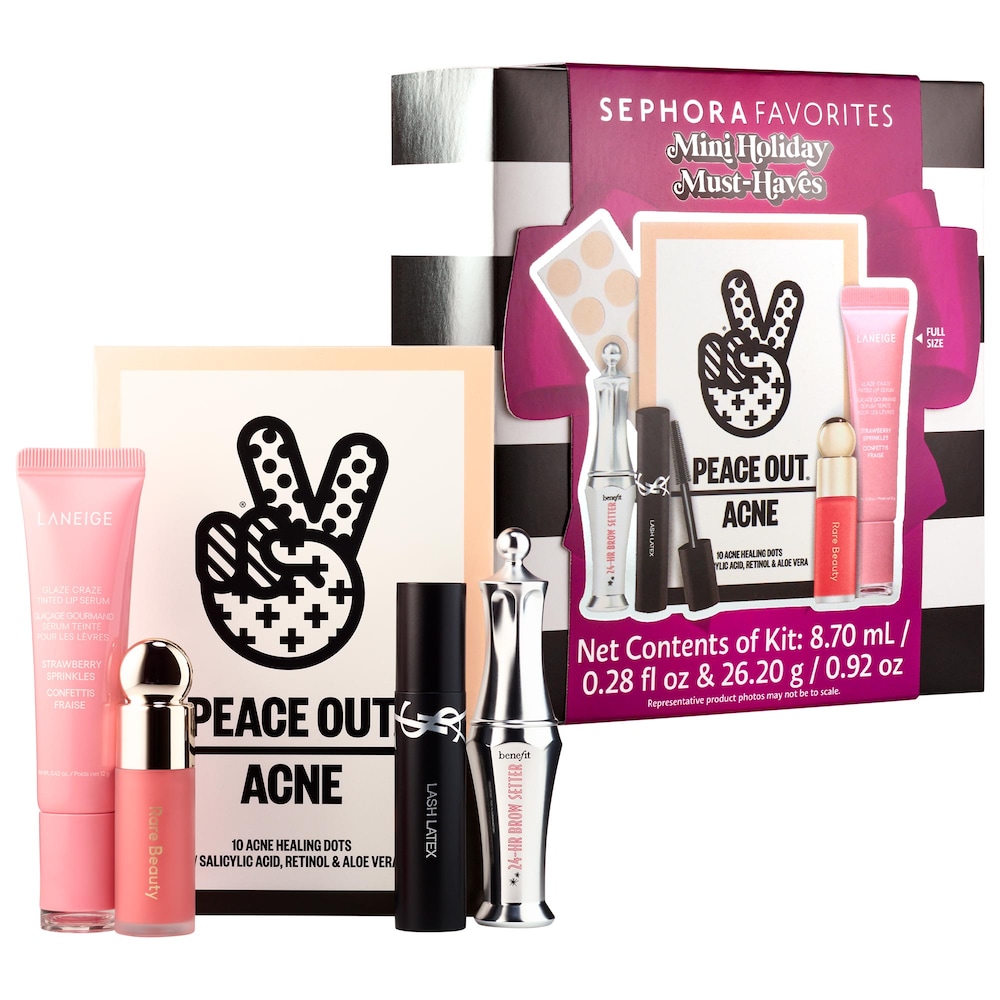
Everything in this box is on teen wish lists: the LANEIGE Glaze Craze lip serum (full size), Rare Beauty Soft Pinch blush, YSL mascara, brow gel and pimple dots. At $25, it is the single best teen beauty gift this year.
What’s inside: 5 pieces: a full-size LANEIGE Glaze Craze lip serum (Strawberry Sprinkles), plus minis of Rare Beauty Soft Pinch liquid blush, YSL Lash Latex mascara, Benefit 24-HR Brow Setter and 10 Peace Out pimple dots.
Best for: Stocking stuffers, Secret Santa, teens and coworkers.
Best big gift · $49 at Sephora · Sephora lists the contents at $145
You save 66% ($96) vs. Sephora’s $145 listed value
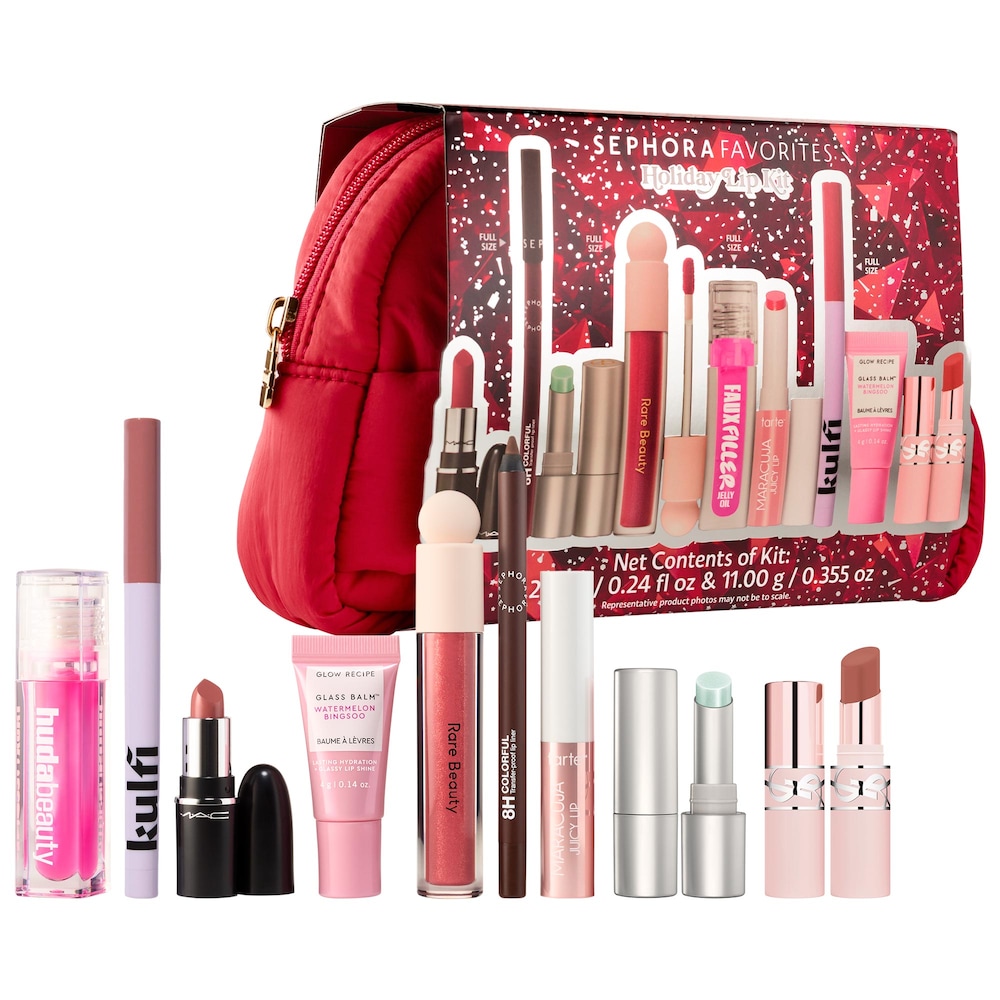
Nine lip products, including the Rare Beauty gloss, Glow Recipe Glass Balm and HUDA lip oil. It is the kind of gift that gets opened first and shown to everyone. Bonus: it splits into gifts for sisters or friends.
Best sleepover gift · $24 at Ulta · Ulta lists the contents at $64
You save 63% ($40) vs. Ulta’s $64 listed value
Sheet masks, a bath bomb, pimple patches and a full routine in minis. It is a ready-made sleepover or self-care kit. One note: it includes a retinol cream, so for younger teens, the move is to set that one aside and give the rest.
What’s inside: 11 travel-size and single-use pieces: Clinique Take The Day Off remover, Cetaphil oil-to-foam cleanser, Good Molecules retinol cream, Pixi Glow Tonic, Personal Day hypochlorous spray, Rodan + Fields Pure C serum, Mighty Patch pimple patches, two sheet masks, a cleansing cloth and a bath bomb.
Best for: A self-care night in a box, or a gift for someone who loves sampling.
Dermatologists commonly advise keeping a young teen’s routine simple: cleanser, moisturizer and sunscreen. Strong actives like retinol and exfoliating acids are better left for later unless a doctor suggests them. The lip, blush and gentle serum picks above are the safest bets.
Holiday beauty gift FAQ
What beauty gifts do teen girls want in 2026?
Lip products (lip serums, glosses, lip oils), liquid blush, pimple patches and gentle skincare from brands like LANEIGE, Rare Beauty, Glow Recipe and BYOMA.
Retailer product pages checked October 12, 2026. U.S. prices before tax and shipping. No coupons, subscriptions or gift-with-purchase offers are included in the math. This is a curated comparison of published prices and contents.
Prices and contents were checked on the retailer sites on October 12, 2026 and can change. The button always shows the current price.
Quick answer: The best makeup gift set of 2026 is the Makeup Experts Set at Sephora: $85 for about $281 worth of products. For a mascara lover, the Benefit BADgal BANG! Duo at Ulta ($35) is the value pick.
Makeup gift sets come in two flavors: discovery kits full of brands to try, and duos of one favorite product at a lower price per piece. Both can be great gifts. The trick is matching the set to how the person actually wears makeup. Here are the four 2026 makeup sets worth buying, and exactly who each one is for.
Listed value is what the retailer says the contents are worth bought separately. It is not a past sale price. The one true apples-to-apples saving here is the Lancôme duo, where the matching single tube is $30.
The discovery kits
1. Sephora Favorites Makeup Experts Value Set
Best splurge · $85 at Sephora · Sephora lists the contents at $281
You save 70% ($196) vs. Sephora’s $281 listed value
Fourteen pieces from MAKEUP BY MARIO, PATRICK TA, HUDA BEAUTY, NATASHA DENONA, Anastasia Beverly Hills and more. The exclusive NATASHA DENONA Baby Eye Sculpt palette and the full-size primer and setting spray carry the value. The move: give it to the person who watches makeup tutorials for fun.
What’s inside: 14 pieces on the product page, including a Beautyblender, a 30 mL HUDA BEAUTY Easy Blur primer, a NATASHA DENONA Baby Eye Sculpt palette made only for this set, MAKEUP BY MARIO cream shadow, PATRICK TA Double-Take creme and powder, m.ph and Fara Homidi lip pencils, and a full 50 mL Danessa Myricks setting spray.
Best for: The makeup lover who wants to play with a dozen cult brands at once.
Best lip kit · $49 at Sephora · Sephora lists the contents at $145
You save 66% ($96) vs. Sephora’s $145 listed value
Four full sizes, three deluxe sizes and two minis. The Rare Beauty Positive Light gloss and HUDA Faux Filler lip oil are the headliners, and the shades lean wearable pinks and nudes. It is about $5.44 per product, and it splits into several gifts.
Best true saving · $39 at Ulta · Ulta lists the contents at $60
You save 35% ($21) vs. buying two $30 tubes separately
This is the cleanest deal in holiday beauty this year. The single 0.33 oz tube is $30 at Ulta. The duo is two of the same tube for $39. That is $21 less than buying two, or $19.50 a tube.
What’s inside: Two full-size Monsieur Big Volumizing Mascaras, 0.33 oz each. The same tube sells on its own for $30, so this works out to $19.50 per tube.
Best for: Monsieur Big fans, or two gifts for the price of one and a half.
4. Benefit The Lash Scoop BADgal BANG! Mascara Duo
Best for party season · $35 at Ulta · Ulta lists the contents at $58
You save 40% ($23) vs. Ulta’s $58 listed value
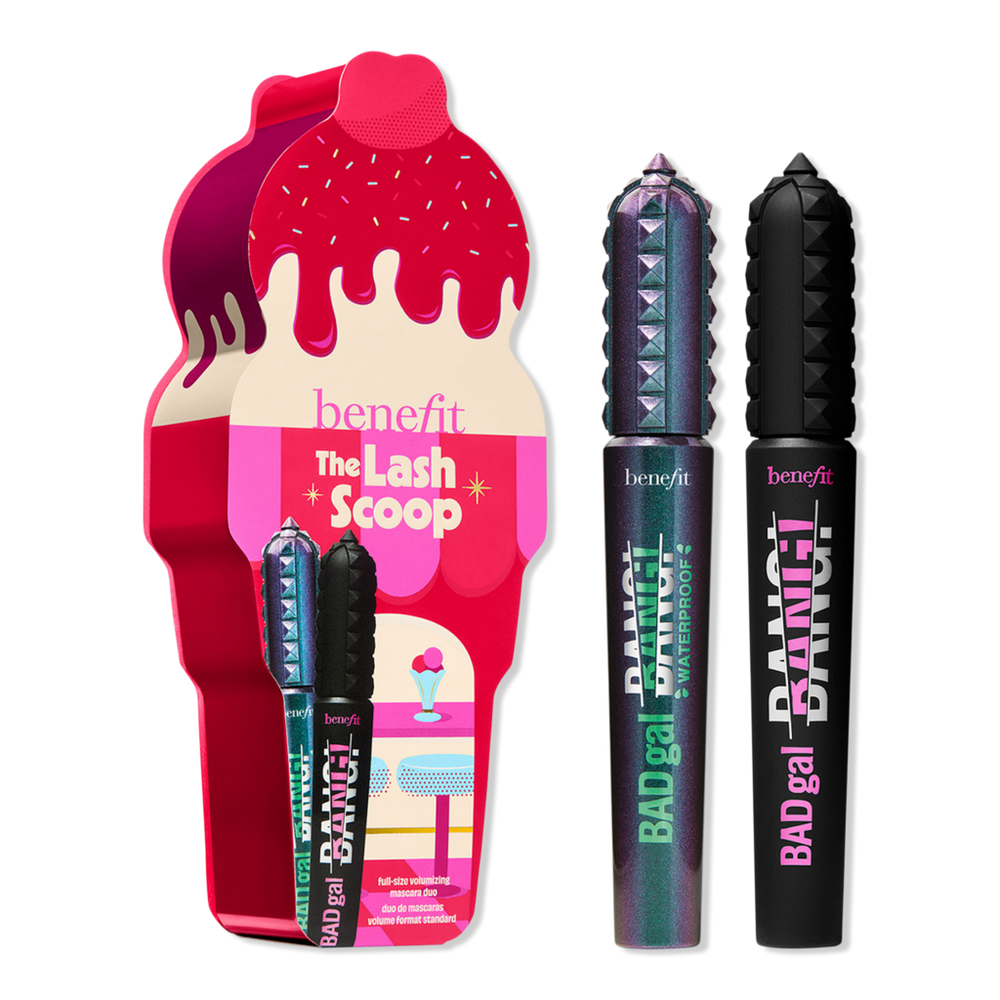
One regular and one waterproof BADgal BANG!, both full size. The waterproof tube is made for holiday events, so this is the pick for someone with a busy December.
What’s inside: Two full-size BADgal BANG! volumizing mascaras in Intense Pitch Black: one regular, one waterproof.
Best for: Someone who wants an everyday tube and a waterproof one for holiday parties and happy tears.
Retailer product pages checked October 12, 2026. U.S. prices before tax and shipping. No coupons, subscriptions or gift-with-purchase offers are included in the math. This is a curated comparison of published prices and contents.
Prices and contents were checked on the retailer sites on October 12, 2026 and can change. The button always shows the current price.
Quick answer: The best beauty stocking stuffer under $25 this year is the Holiday Must-Haves set at Sephora: $25 for about $72 worth of products. For a self-care gift, Wind Down Essentials at Ulta ($24) is the runner-up.
The best beauty stocking stuffers look like more than they cost. These four gift sets are all $25 or less at Sephora and Ulta, and each one has at least one product worth the price on its own. Here’s what to grab for every name on the list: teens, coworkers, Secret Santa, sisters and moms.
Listed value is the retailer’s own figure for the contents, not a previous sale price.
1. Sephora Favorites Holiday Must-Haves Value Set
Best overall under $25 · $25 at Sephora · Sephora lists the contents at $72
You save 65% ($47) vs. Sephora’s $72 listed value
The full-size LANEIGE Glaze Craze lip serum is the star, and the Rare Beauty liquid blush and YSL Lash Latex minis make it feel like a much bigger gift. The pimple dots are a small bonus that every teen and twenty-something will use.
What’s inside: 5 pieces: a full-size LANEIGE Glaze Craze lip serum (Strawberry Sprinkles), plus minis of Rare Beauty Soft Pinch liquid blush, YSL Lash Latex mascara, Benefit 24-HR Brow Setter and 10 Peace Out pimple dots.
Best for: Stocking stuffers, Secret Santa, teens and coworkers.
Best self-care gift · $24 at Ulta · Ulta lists the contents at $64
You save 63% ($40) vs. Ulta’s $64 listed value
This is the gift for the friend who needs a night off. It has a full evening routine in travel sizes plus sheet masks and a bath bomb. Pair it with a candle and it is a complete gift for under $35.
What’s inside: 11 travel-size and single-use pieces: Clinique Take The Day Off remover, Cetaphil oil-to-foam cleanser, Good Molecules retinol cream, Pixi Glow Tonic, Personal Day hypochlorous spray, Rodan + Fields Pure C serum, Mighty Patch pimple patches, two sheet masks, a cleansing cloth and a bath bomb.
Best for: A self-care night in a box, or a gift for someone who loves sampling.
Best for mom or a coworker · $23 at Ulta · Ulta lists the contents at $41
You save 44% ($18) vs. Ulta’s $41 listed value
Moisture Surge has a loyal following, and the eye cream rounds it out. It is a polished, grown-up gift at $23, and travel sizes are ideal for a gym bag or carry-on.
What’s inside: Travel-size Moisture Surge 100H Auto-Replenishing Hydrator (1 oz) and travel-size All About Eyes eye cream (0.17 oz).
Best for: Moms, mothers-in-law and anyone loyal to Clinique.
Retailer product pages checked October 12, 2026. U.S. prices before tax and shipping. No coupons, subscriptions or gift-with-purchase offers are included in the math. This is a curated comparison of published prices and contents.
Prices and contents were checked on the retailer sites on October 12, 2026 and can change. The button always shows the current price.
Quick answer: The best beauty gift set of 2026 is the Makeup Experts Set at Sephora: $85 for about $281 worth of products. On a smaller budget, the Sephora Lip Kit ($49) and the Holiday Must-Haves set ($25) give the most value per dollar.
Holiday beauty gift sets are the one time of year Sephora and Ulta pack cult products into a box for far less than buying them one by one. The catch: some sets are full of things nobody uses. This guide pulls the nine 2026 sets with the best mix of real value and products people actually reach for, with a pick for every budget and every person on the list.
Listed value is what the retailer says the contents are worth bought separately. It is not a past sale price. The one true apples-to-apples saving here is the Lancôme duo, where the matching single tube is $30.
Best makeup gift sets
1. Sephora Favorites Makeup Experts Value Set
Best splurge · $85 at Sephora · Sephora lists the contents at $281
You save 70% ($196) vs. Sephora’s $281 listed value
The 2026 version is stacked: a full 30 mL HUDA primer, a full-size setting spray and a NATASHA DENONA eye palette you can only get in this box. At $85 against a $281 listed value, it is the biggest gap of any set here. The move is to give it to someone who loves makeup enough to use the variety.
What’s inside: 14 pieces on the product page, including a Beautyblender, a 30 mL HUDA BEAUTY Easy Blur primer, a NATASHA DENONA Baby Eye Sculpt palette made only for this set, MAKEUP BY MARIO cream shadow, PATRICK TA Double-Take creme and powder, m.ph and Fara Homidi lip pencils, and a full 50 mL Danessa Myricks setting spray.
Best for: The makeup lover who wants to play with a dozen cult brands at once.
Best for lip lovers · $49 at Sephora · Sephora lists the contents at $145
You save 66% ($96) vs. Sephora’s $145 listed value
Nine lip products for $49 is about $5.44 each, and four of them are full size, including the Rare Beauty gloss and HUDA lip oil, both popular on their own. It also splits beautifully: one set can become three or four stocking stuffers.
Best true saving · $39 at Ulta · Ulta lists the contents at $60
You save 35% ($21) vs. buying two $30 tubes separately
Here’s what to look for in a real deal: the exact same product, the exact same size, for less. One Monsieur Big tube is $30 at Ulta. This duo is $39 for two, so it is $19.50 a tube and $21 less than buying two singles.
What’s inside: Two full-size Monsieur Big Volumizing Mascaras, 0.33 oz each. The same tube sells on its own for $30, so this works out to $19.50 per tube.
Best for: Monsieur Big fans, or two gifts for the price of one and a half.
4. Benefit The Lash Scoop BADgal BANG! Mascara Duo
Best mascara for party season · $35 at Ulta · Ulta lists the contents at $58
You save 40% ($23) vs. Ulta’s $58 listed value
Two full-size BADgal BANG! tubes, one regular and one waterproof. The waterproof one is the reason to buy it: holiday parties, weddings and sentimental moments all call for it.
What’s inside: Two full-size BADgal BANG! volumizing mascaras in Intense Pitch Black: one regular, one waterproof.
Best for: Someone who wants an everyday tube and a waterproof one for holiday parties and happy tears.
Best under $15 · $15 at Ulta · Ulta lists the contents at $30
You save 50% ($15) vs. Ulta’s $30 listed value
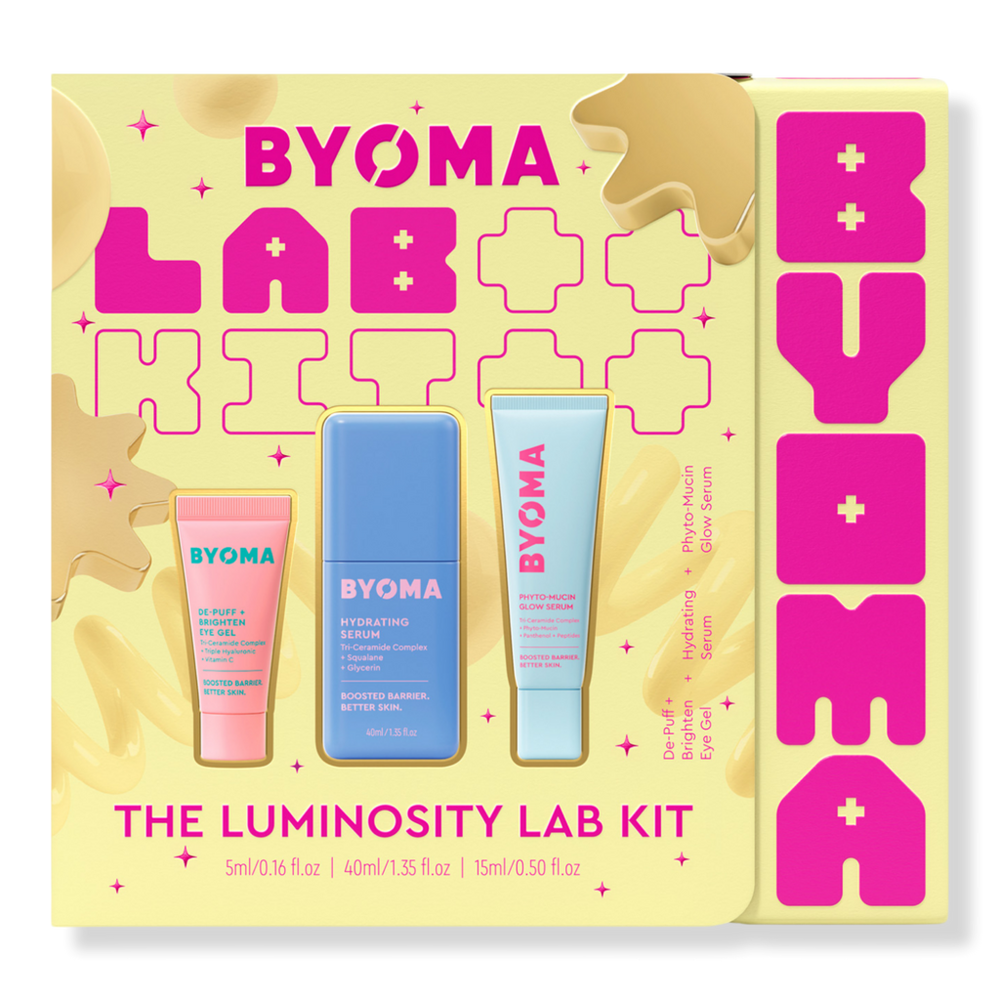
BYOMA is a Gen Z skincare favorite: gentle, barrier-friendly and very giftable. Three products for $15 with a full 1.35 oz serum makes it the easiest small gift on this list.
What’s inside: BYOMA Hydrating Serum (1.35 oz), Phyto-Mucin Glow Serum (0.5 oz) and De-puff + Brighten Eye Gel (0.5 oz).
Best for: The easiest under-$20 skincare gift on the list.
Best self-care box · $24 at Ulta · Ulta lists the contents at $64
You save 63% ($40) vs. Ulta’s $64 listed value
Eleven pieces for $24, built around a full nighttime routine: remover, cleanser, toner, retinol, masks and a bath bomb. Everything is travel or single-use size, so it shines as a pampering night in rather than a long-term supply.
What’s inside: 11 travel-size and single-use pieces: Clinique Take The Day Off remover, Cetaphil oil-to-foam cleanser, Good Molecules retinol cream, Pixi Glow Tonic, Personal Day hypochlorous spray, Rodan + Fields Pure C serum, Mighty Patch pimple patches, two sheet masks, a cleansing cloth and a bath bomb.
Best for: A self-care night in a box, or a gift for someone who loves sampling.
Best big-bottle value · $37 at Ulta · Ulta lists the contents at $70
You save 47% ($33) vs. Ulta’s $70 listed value
Most hair sets are travel sizes. This one is two 13.5 oz salon bottles plus a mask for $37. For anyone who colors their hair, it is a practical gift that gets used down to the last drop.
What’s inside: Color Last Shampoo (13.5 oz), Color Last Conditioner (13.5 oz) and Hydra Source Deep Treatment Mask (3.3 oz). Big salon bottles, not travel sizes.
Best for: Anyone who colors their hair (protect the color they paid for).
Best under $25 · $25 at Sephora · Sephora lists the contents at $72
You save 65% ($47) vs. Sephora’s $72 listed value
A full-size LANEIGE Glaze Craze lip serum anchors this one, with Rare Beauty blush, YSL mascara and Benefit brow gel minis. It looks like a much bigger gift than $25.
What’s inside: 5 pieces: a full-size LANEIGE Glaze Craze lip serum (Strawberry Sprinkles), plus minis of Rare Beauty Soft Pinch liquid blush, YSL Lash Latex mascara, Benefit 24-HR Brow Setter and 10 Peace Out pimple dots.
Best for: Stocking stuffers, Secret Santa, teens and coworkers.
For fragrance, the move is a discovery set with a redemption certificate: they sample a few scents, then trade the certificate for a full bottle of their favorite. For body care, look for big tubes and a scent you already know they love. Both edits are below.
Count the full sizes. A set with three full sizes beats a set with ten tiny samples.
Check the shades. Lip and blush colors are fixed in sets. Neutral pinks and berries are the safest gifts.
Compare to the single. When the same product is sold alone, do the math. That is the real saving.
Watch the sell-out window. The most popular value sets tend to sell out before December. If one is on your list, buying early beats hoping for a restock.
Holiday beauty gift FAQ
Should I buy beauty gift sets now or wait for Black Friday?
If a set is on your list, buy it now. Popular value sets sell out, and many are already priced well below their listed value. Sephora’s fall Savings Event (usually late October into November) and Black Friday on November 27, 2026 can add a discount on eligible items, so keep the receipt and check the retailer’s price adjustment policy.
What is the best beauty gift set under $25 in 2026?
They are when the person will use most of the contents. The Makeup Experts and Lip Kit sets both include several full sizes, which is what makes the value real.
Retailer product pages checked October 12, 2026. U.S. prices before tax and shipping. No coupons, subscriptions or gift-with-purchase offers are included in the math. This is a curated comparison of published prices and contents.
The short answer: for peach fuzz and a smoother makeup base, dermaplaning is the better pick. There is no pulling and no sting, it exfoliates while it removes hair, and there is no grow-out phase. Waxing is the better pick for darker, coarser hair on the upper lip or chin, because it pulls hair out at the root and one session lasts about three to four weeks. One rule settles it for a lot of people: if retinol or a prescription retinoid is part of your routine, waxing your face is the method dermatologists warn about.
A small blade glides over the skin and cuts hair at the surface
Wax grips the hair and pulls it out at the root
What comes off
Peach fuzz (vellus hair) and dead surface skin
The whole hair, root included
How long it lasts
Shorter. Hair is cut, not pulled, so regrowth shows sooner
About three to four weeks per session, per Cleveland Clinic
How often
No more than once a week, per a Cleveland Clinic dermatologist
Only once hair has grown back long enough for wax to grip
Hair length needed
None
About one-fourth to three-fourths of an inch, per the American Academy of Dermatology
How it feels
No pulling, so no sting
A quick sting with every pull
Skin bonus
Exfoliation, so skin feels smoother and makeup sits better
Some exfoliation, but that is not the point
Main risks
Nicks, a day or so of irritation, and flare-ups if used over active acne
Redness, ingrown hairs, inflamed follicles, and skin damage on retinoid-treated skin
Best for
Fine, light fuzz across the whole face
Dark or coarse hair in small areas like the upper lip and chin
What dermaplaning does well
Dermaplaning is exfoliation and hair removal in one pass. In Cleveland Clinic’s guide to dermaplaning at home, dermatologist Melissa Piliang, MD, describes it as taking dead skin cells and peach fuzz off the surface of the skin, which is why products may absorb better and makeup may go on more smoothly afterward. Her guidance on frequency is no more than once a week, so skin has time to recover.
The limits are just as clear. The same guidance says to wait out a breakout, because dermaplaning can aggravate existing acne, and to skip it during an eczema flare or any other active skin issue. Skin may feel a little irritated for a day or so, and a nick is a way in for infection, so a guarded tool beats a bare blade.
The dermaplaning tool to look at
What works here is a sonic tool with a safety guard over the blade. The Michael Todd Sonicsmooth is the pick for most people: the brand lists sonic technology with three speeds and a patented safety guard, and says it removes peach fuzz and sideburns. Shop the Michael Todd Sonicsmooth.
Waxing wins on staying power. Because the hair comes out at the root, one session can last three to four weeks, according to Cleveland Clinic dermatologist Shilpi Khetarpal, MD. That makes it the stronger choice for dark, coarse hairs, the kind that show again quickly when they are only cut at the surface.
The trade-offs are the grow-out and the skin stress. Hair has to be about one-fourth to three-fourths of an inch long before wax can grip it, per the American Academy of Dermatology, so there is always a stretch of visible regrowth between sessions. Cleveland Clinic also lists inflamed follicles, redness, ingrown hairs, and irritation as possible side effects.
The rules dermatologists set for waxing your face
Pause retinol and prescription retinoids first. The American Academy of Dermatology says to avoid them for two to five days before waxing your face. Cleveland Clinic warns that waxing retinol-affected skin can cause abrasions, infection, and even scarring.
No waxing within six months of isotretinoin. That one comes straight from the American Academy of Dermatology.
Skip sunburned or very sensitive skin.
Watch the aftermath. If redness or swelling lasts more than two days, the Academy says to see a dermatologist.
The wax to look at
For a first try at home, the move is no-heat strips made for the face, since there is no hot wax to overheat. Nad’s Facial Wax Strips come as a kit with 20 strips, four calming oil wipes, and a skin protection powder, and the brand lists them for the face, chin, and upper lip. Nad’s also says not to wax the same facial area twice, because repeat passes can irritate delicate skin. See Nad’s Facial Wax Strips on Amazon.
Which one to pick, by situation
Light fuzz across the whole face: dermaplaning. It covers a large area gently, and there is nothing to grow out.
A few dark hairs on the upper lip or chin: waxing, for the weeks between sessions.
Makeup prep before an event: dermaplaning, done a day or two ahead in case skin feels irritated.
Retinol or tretinoin in your routine: waxing is the one with the formal warning and the two to five day pause. For timing actives around a dermaplaning session, see what to use after dermaplaning.
Active breakouts or an eczema flare: wait. Dermaplaning is off the table until skin calms down, and the American Academy of Dermatology says not to wax very sensitive skin.
No. Mayo Clinic states that shaving does not change hair’s thickness, color, or rate of growth. What changes is the tip: a cut hair has a blunt end, so it can feel coarser or look more noticeable while it grows out. Dr. Piliang makes the same point about dermaplaning. With waxing, Cleveland Clinic notes that hair can grow back thinner over time. More myths are covered in dermaplaning mistakes and side effects.
Can you do both?
Yes, on different areas. The split that makes sense is waxing the upper lip and chin and dermaplaning the cheeks, jaw, and forehead. The caution is not to stack them on the same patch of skin in one session, since both take off surface skin. And remember the grow-out: dermaplaning an area resets the clock on the length wax needs.
Want longer between sessions? Where at-home IPL fits
Dermaplaning and waxing are both temporary. For dark facial hair that keeps coming back, at-home IPL is the next step up, and the one to look at is the Nood Flasher Pro. Nood says it can be used anywhere on the face or body, except the eyebrows and the area immediately around the eyes, and lists it for black, brown, and dark blonde hair on fair to olive skin (Fitzpatrick I to IV). Check the Nood Flasher Pro on Amazon.
Two things to know before switching. First, Nood says IPL does not work on light blonde hair, so pale peach fuzz stays in dermaplaning territory. Second, Nood says to shave before each session and not to wax, pluck, thread, or epilate, because IPL needs the hair follicle intact. Waxing and IPL do not mix. The side by side on devices is in Nood Flasher Pro vs other IPL hair removal devices.
The verdict
Pick dermaplaning if the goal is a fuzz-free, smoother face with no grow-out and no sting. Pick waxing if the hair is dark or coarse and three to four weeks between sessions matters more than comfort. Look at IPL if you are tired of repeating either one.
For fine peach fuzz, yes: there is no sting, it exfoliates, and it needs no grow-out. For dark or coarse hair, waxing is better because it removes the root and lasts about three to four weeks.
Which lasts longer, dermaplaning or waxing?
Waxing. One session can last three to four weeks, per Cleveland Clinic. Dermaplaning cuts hair at the surface, so regrowth shows sooner, and it can be repeated as often as once a week.
Is waxing or dermaplaning better for the upper lip?
It depends on the hair. Dark, coarse upper lip hair is a waxing job. Fine, light fuzz is easier and gentler to dermaplane.
Can you dermaplane after waxing?
Not on the same area in the same session. Let waxed skin settle fully first, and keep in mind that wax needs about a quarter inch of growth, so dermaplaning a waxed area pushes back the next wax.
Does hair grow back thicker after dermaplaning or waxing?
No. Mayo Clinic says cutting hair does not change its thickness, color, or rate of growth. A blunt tip can feel coarser for a while, and that is all.
Can you wax your face if you use retinol?
Not without a pause. The American Academy of Dermatology says to stop retinol and prescription retinoids two to five days before waxing your face, and not to wax at all within six months of taking isotretinoin.
Sources: Cleveland Clinic, Is It OK To Try Dermaplaning at Home? (Melissa Piliang, MD) and Shaving vs. Waxing: Benefits, Cons and Results (Shilpi Khetarpal, MD). American Academy of Dermatology, Hair Removal: How to Wax. Mayo Clinic expert answer on shaving and hair regrowth. Michael Todd Beauty, Dermaflash, Nad’s, and Nood product pages, checked October 2026. This post is general information, not medical advice. Talk to a dermatologist about your own skin.