Disclosure
This post contains affiliate links, which means I may earn a small commission if you make a purchase through my links, at no extra cost to you.
Disclosure: This post contains affiliate links. If you purchase through my links, I may earn a small commission at no extra cost to you. I only recommend products I genuinely believe in. Thank you for supporting annakatherinepage.com!
Quick answer: The most efficient way to water a home garden is a soaker hose or drip irrigation system on a timer, run early in the morning at soil level. Midday overhead watering loses up to 50 percent to evaporation. This guide ranks the systems by effectiveness, from a simple soaker hose to a fully automated drip setup.
Pin this for later.. your garden (and your water bill) will thank you.
Tired of dragging a hose around every day just to watch your plants struggle anyway? Watering your garden efficiently isn’t just about saving time – it’s about giving your plants exactly what they need to thrive while cutting your water bill in half.
This guide breaks down the best garden watering systems for home gardens, from simple soaker hoses to fully automated drip irrigation setups, so you can spend less time watering and more time actually enjoying your yard.
If you’re still hand-watering your garden every day, you’re working way harder than you need to. With rising temperatures, packed schedules, and water bills climbing, more homeowners are switching to smarter watering systems that save time and actually improve plant health.
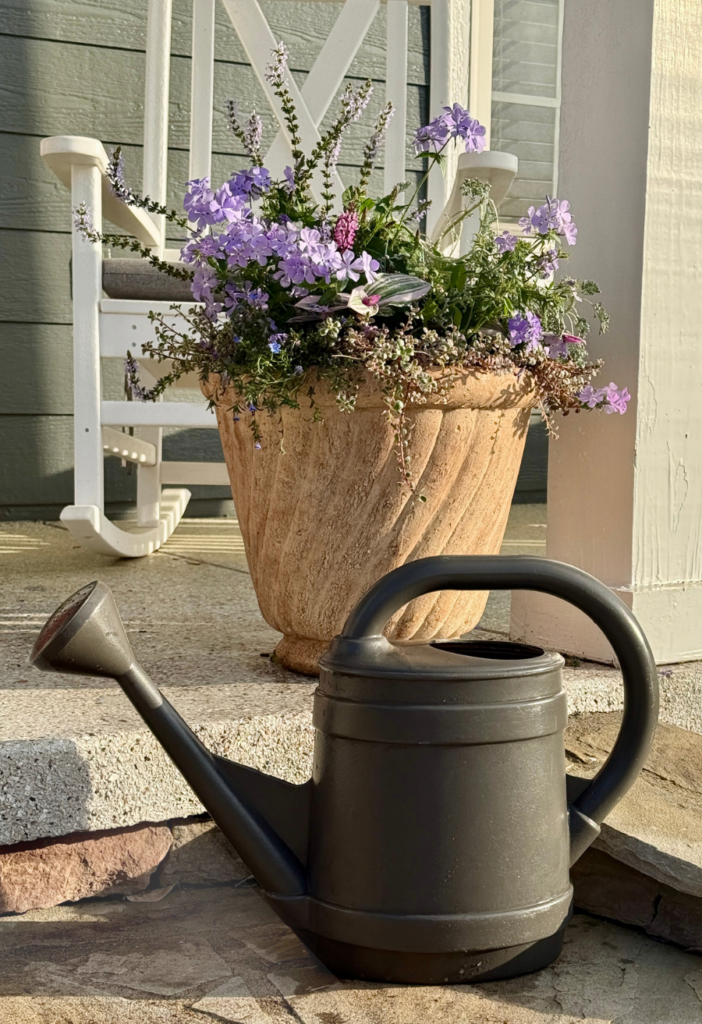
The Bloem Deluxe Watering Can – a stylish and functional pick for everyday garden watering.
What You’ll Learn in This Guide
The most efficient ways to water your garden (ranked by effectiveness)
Beginner-friendly watering systems you can set up in under an hour
What actually works – and what wastes your time and money
Pro tips for reducing water waste and improving plant health
Why Your Garden Watering Method Matters
Learning the art of watering your garden efficiently starts with understanding why method matters as much as frequency.
Most gardeners make the same watering mistakes without realizing it:
Overwatering or underwatering – both stress plants and stunt growth
Watering at the wrong time of day – midday watering loses up to 50% to evaporation
Losing water to evaporation before it ever reaches the roots
Surface watering instead of reaching the root zone where it counts
The result? Weak plants, disease, and lower yields. The goal of efficient garden watering is simple: deliver water directly to the roots, consistently, with minimal waste.
Best Garden Watering Systems for Watering Your Garden Efficiently
1. Drip Irrigation – Best Overall Garden Watering System
Drip irrigation sends water straight to the root zone through a network of tubing and emitters, making it the most efficient watering system you can install. It uses up to 90% less water than traditional sprinklers.
Benefits of drip irrigation:
Dramatically reduces water waste (up to 90% more efficient than sprinklers)
Promotes stronger, healthier root systems
Fully customizable to any garden layout – beds, containers, or rows
Reduces weed growth by only watering target plants
Soaker hoses slowly seep water along their entire length, delivering moisture directly to the soil. They’re simple, affordable, and surprisingly effective for garden beds and rows.
Best for:
Beginners who want a no-fuss setup
Garden rows and raised beds
Budget-friendly watering solutions under $30
Pro tip: Cover your soaker hose with 2–3 inches of mulch to maximize moisture retention and reduce evaporation even further.
Sprinklers work great for large open areas like lawns, but they’re not ideal for garden beds where precision matters. They lose more water to evaporation and wind than drip or soaker systems.
Best use cases:
Grass lawns and wide turf areas
Large coverage areas where precision isn’t critical
4. Smart Watering Systems – Best for Busy Schedules
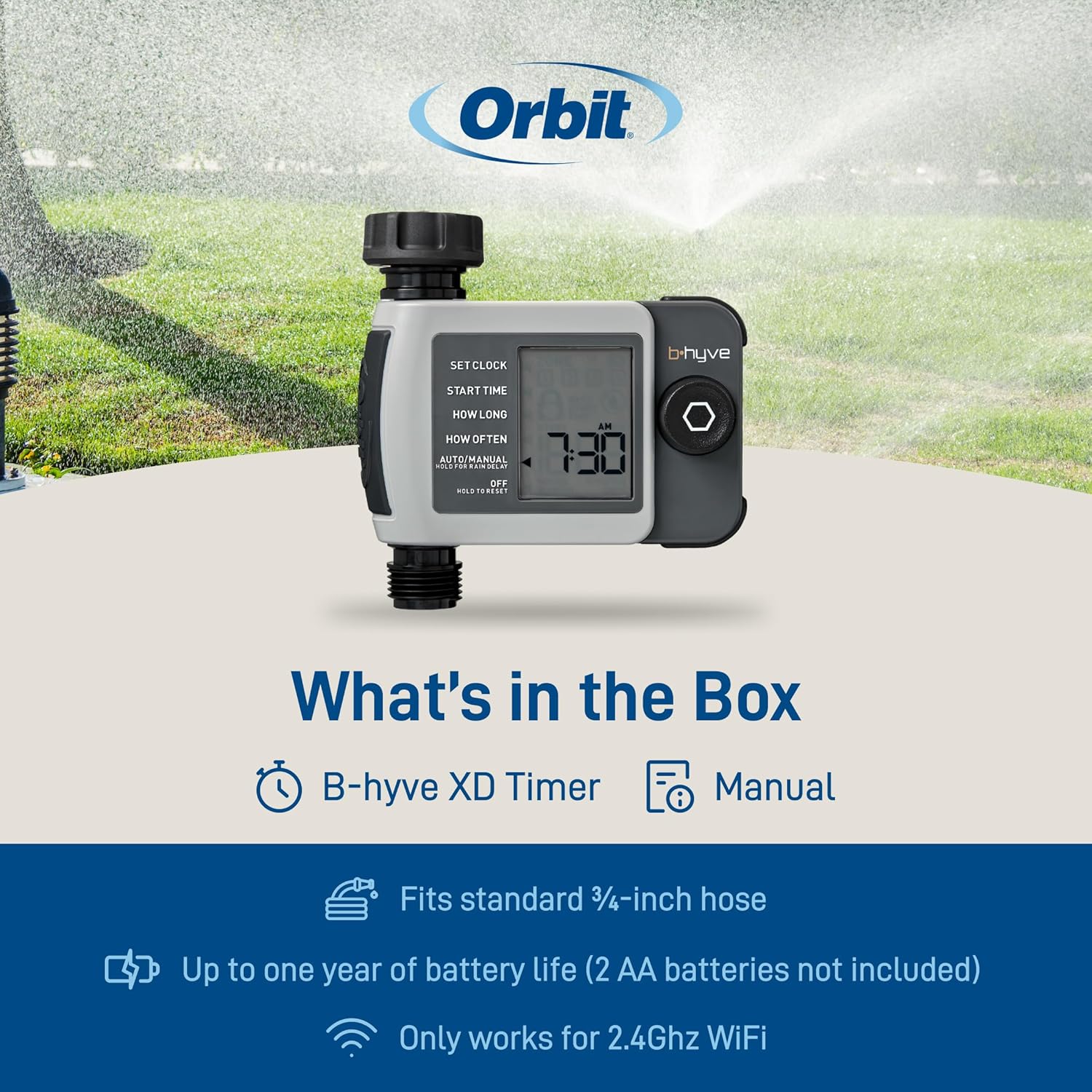
Automated smart watering systems take the guesswork completely off your plate. Pair a smart timer with drip irrigation or soaker hoses and your garden waters itself on the perfect schedule.
Best for:
Busy homeowners who forget to water
Greenhouses and raised bed gardens
Anyone who wants consistent results without the daily effort
5. Garden Hose – The Foundation of Every Watering Setup
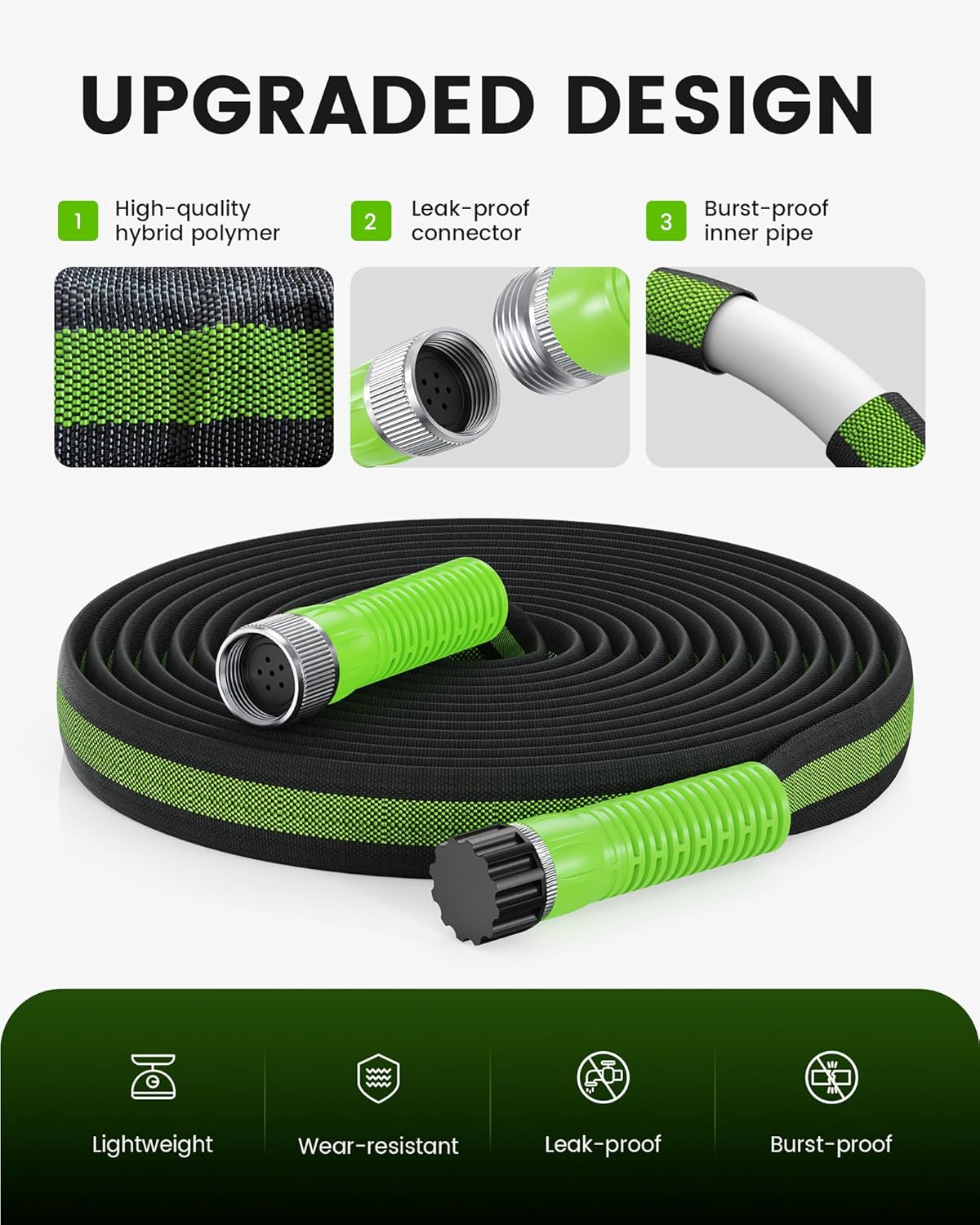
Every efficient watering setup starts with a reliable garden hose. Look for something lightweight, kink-free, and built to last multiple seasons without cracking or leaking.
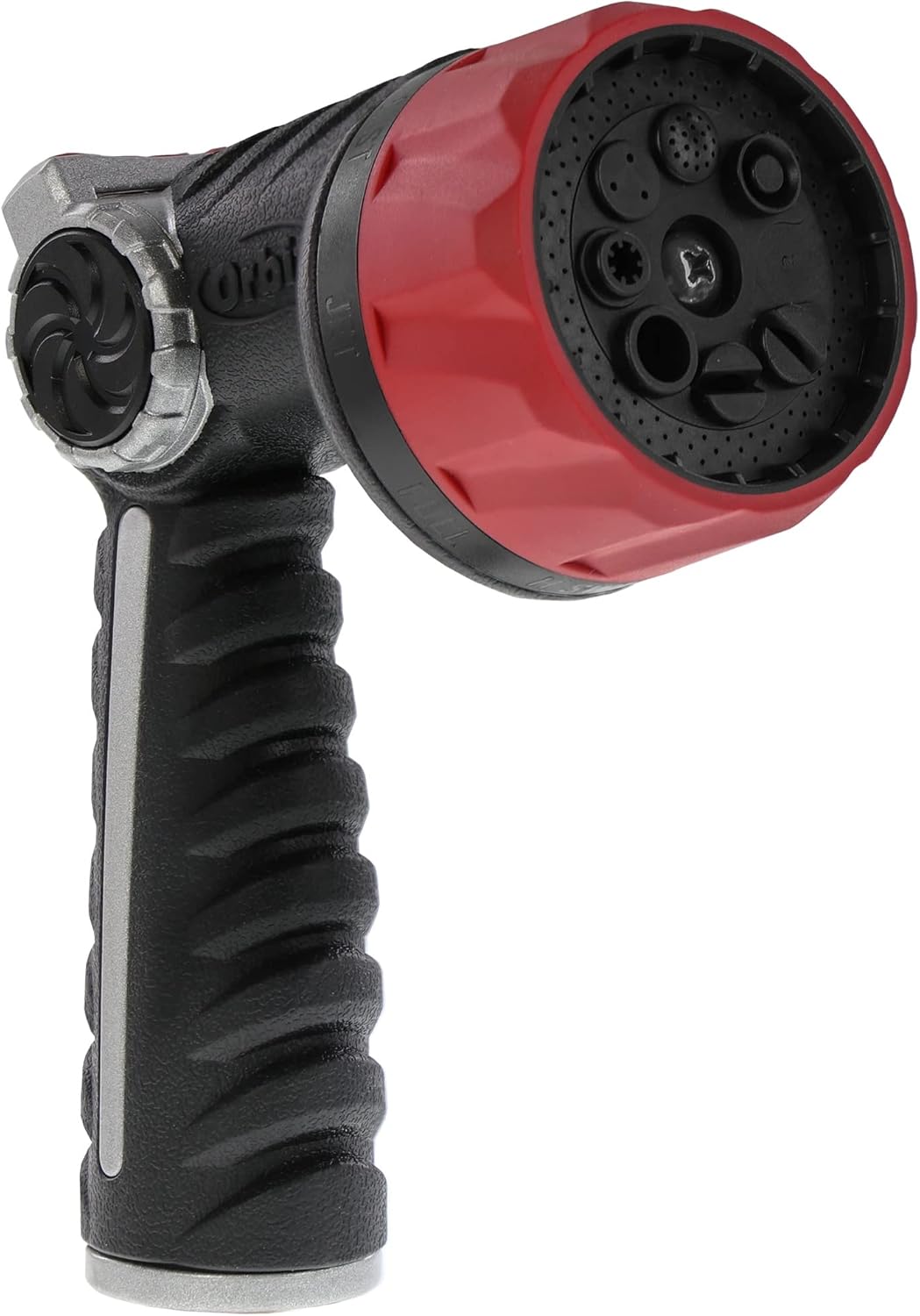
Pair your hose with the right nozzle sprayer and you get a completely different watering experience. A quality nozzle gives you control from a gentle mist for seedlings all the way to a strong jet for cleanup.
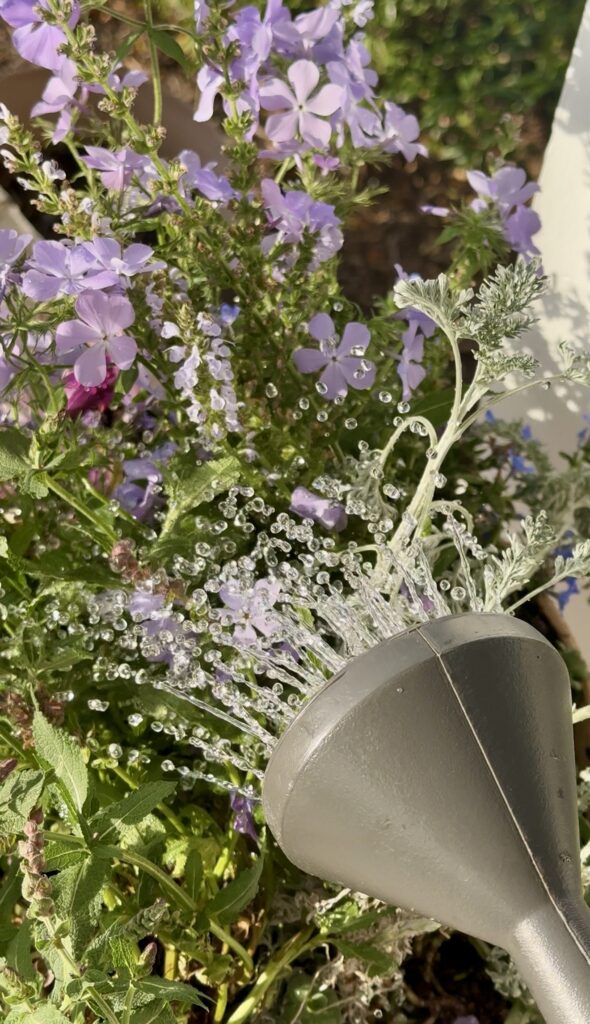
Gentle watering keeps delicate blooms healthy – no heavy spray needed.
When Is the Best Time to Water Your Garden?
The best time to water your garden is early morning, ideally between 6–9 AM. The cooler temperatures and calmer winds mean more water reaches the roots before evaporating.
Times to avoid watering:
Midday (10 AM–2 PM) – water evaporates before reaching roots, wasting up to 50%
Late evening – wet foliage overnight increases disease risk like fungal infections
Water deeply 2 to 3 times per week instead of a light sprinkle every day. Deep watering encourages roots to grow deeper, making plants more drought-resistant over time.
Pro Tips for Watering Your Garden Efficiently
Mulch your beds with 2–3 inches of organic mulch (wood chips, not rubber) to lock in moisture
Combine drip systems with smart timers for a completely hands-off watering setup
Group plants by water needs (hydrozoning) so nothing gets over or under-watered
Use raised beds for better drainage, soil control, and more efficient water use
Check soil moisture before watering – stick your finger 2 inches into the soil; if it’s damp, skip the water
According to the University of Minnesota Extension, understanding your soil type is the foundation of watering your garden efficiently.
You don’t need an expensive irrigation system to water your garden efficiently. Here’s the simple starter kit that covers everything:
A hose splitter (lets you run multiple lines from one spigot)
A drip irrigation kit or soaker hose (your main watering system)
A basic hose timer (automates your schedule)
Mulch (locks in moisture and reduces watering frequency)
That’s it. This setup costs under $100 total and will save you hours every week while giving your plants consistently better results.
Frequently Asked Questions About Watering Your Garden Efficiently
How often should I water my garden?
Most gardens do best with deep watering 2–3 times per week rather than light daily watering. Deep watering encourages roots to grow deeper into the soil, making plants more resilient during hot weather. Check soil moisture before watering – if the top 2 inches are still damp, wait another day.
What is the most efficient way to water a garden?
Drip irrigation is the most efficient garden watering method, using up to 90% less water than traditional sprinklers. It delivers water directly to the root zone where plants need it most, reducing evaporation and runoff. Soaker hoses are a close second and easier to set up for beginners.
Is it better to water plants in the morning or evening?
Morning watering (6–9 AM) is best. The cooler temperatures mean less evaporation, and leaves have all day to dry, which prevents fungal diseases. Evening watering can leave foliage wet overnight, creating ideal conditions for mold, mildew, and root rot.
How much water does a garden need per week?
Most vegetable gardens and flower beds need about 1–1.5 inches of water per week, including rainfall. In hot summer weather, you may need to increase that to 2 inches. Using a rain gauge or moisture meter helps you track exactly how much water your garden is receiving.
Final Thoughts on Watering Your Garden Efficiently
Watering your garden shouldn’t feel like a daily chore. The right system – whether it’s a simple soaker hose or a full drip irrigation setup – saves water, saves time, and produces noticeably better results with almost no extra effort once it’s in place.
Start with the beginner setup above, and upgrade as your garden grows. Your plants (and your water bill) will thank you.

Leave a Reply